By Owen Palmer
Updated November 2026
Choosing the best interval training cycling resource depends on whether you ride indoors or outdoors, whether you train with power or heart rate, and how much structure you want. This list compares six products that cover those needs. Each was judged on how clearly it explains interval structure, how practical its workouts are for real riders, how well it fits different training setups, and the patterns owners tend to report after using it. None of these were tested by us, and the notes below are based on product descriptions, specifications and common owner feedback.
Our top picks at a glance
- 1
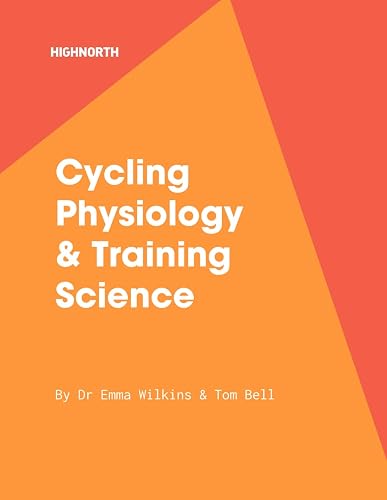 TOP CHOICEBest overallThe Cycling Physiology and Training Science GuideView on Amazon
- 2
 TOP CHOICEBest for beginnersCycling:HIIT Bike Training: A Simple Proven GuideView on Amazon
- 3
 TOP CHOICEBest for indoor trainer usersCycling Turbo Training for BeginnersView on Amazon
- 4
 Best for season planning100 Indoor Cycling Plans by Season PhaseView on Amazon
- 5
 Best for workout variety101 Cycling WorkoutsView on Amazon
- 6
 Best budget pick for trackingCycling Training JournalView on Amazon
Scope note: These picks are guides, workout collections and logs, not bikes or trainers. If you are new to the topic, you may also want to read Interval Training in Cycling: A Step-by-Step Guide to Faster Rides alongside whichever book you choose.
Our Top Picks
Quick Comparison
| Product | Best for | Key feature |
|---|---|---|
| The Cycling Physiology and Training Science Guide | Riders who want the reasoning behind intervals | Explains the physiology behind work and recovery |
| Cycling:HIIT Bike Training | Beginners starting high intensity work | Step-by-step introduction to HIIT on the bike |
| Cycling Turbo Training for Beginners | Indoor trainer users | Includes 20 interval workouts |
| 100 Indoor Cycling Plans by Season Phase | Riders planning a full season | Plans organized by training phase |
| 101 Cycling Workouts | Riders who get bored with repeat sessions | Large library of varied workouts |
| Cycling Training Journal | Riders who track progress | 52-week log for workouts, power and heart rate |
The Cycling Physiology and Training Science Guide
The Cycling Physiology and Training Science Guide
Best for: Riders who want to understand why interval training works, not just follow a list of sessions.
This guide suits intermediate and advanced riders who like to know the physiological reasoning behind work and recovery ratios. It is a good fit for coaches and self-coached athletes who want to adjust intervals to their own goals.
Key specs
- Format: book focused on training science
- Subject: physiology of interval work for cycling
Pros
- Explains the reasoning behind interval structure
- Useful for building your own sessions
- Helps you match intensity to specific goals
Cons
- Can be dense for readers who want quick workouts
- Less useful if you only want a ready-made plan
Bottom line: The best choice for riders who want to understand interval training deeply and design their own progressions.
Cycling:HIIT Bike Training: A Simple Proven Guide
Cycling:HIIT Bike Training: A Simple Proven Guide to Getting Faster & Stronger Using High Intensity Interval Bike Workouts Today
Best for: Beginners who want a clear, simple introduction to high intensity interval bike workouts.
This book is aimed at riders who are new to hard intervals and want straightforward instructions. It works well for people who ride regularly but have not yet structured their efforts.
Key specs
- Format: guide focused on high intensity interval bike training
- Level: beginner-friendly
Pros
- Clear, direct explanations
- Good starting point for HIIT on the bike
- Easy to apply without special equipment
Cons
- Less depth for advanced athletes
- May need supplementing with a log or plan later
Bottom line: A strong pick for beginners who want a simple, practical entry point into interval cycling.
Cycling Turbo Training for Beginners
Cycling Turbo Training for Beginners – a quick start guide to cycling indoors to Explode your fitness FAST. (20 interval workouts included).
Best for: Riders who train indoors on a smart or classic trainer and want quick, effective sessions.
This quick start guide is aimed at people beginning indoor cycling. It is especially useful for riders who want to avoid long, unstructured sessions on a trainer and prefer short, focused intervals.
Key specs
- Format: quick start guide for indoor cycling
- Includes 20 interval workouts, as stated in the listing
Pros
- Built around indoor trainer use
- Includes a set of ready-to-use interval workouts
- Short format that is easy to start quickly
Cons
- Limited for riders who train mainly outdoors
- Fewer workouts than larger collections
Bottom line: Best for beginners who mainly train on a trainer and want to start intervals without a steep learning curve.
100 Indoor Cycling Plans by Season Phase
100 Indoor Cycling Plans by Season Phase: Structured cycling plans for smart trainers, classic trainers, spinbike or rollers. For Road, Gravel, MTB, and TT riders.
Best for: Riders who want a full-season structure for smart trainers, classic trainers, spin bikes or rollers.
This collection suits road, gravel, mountain bike and time trial riders who train indoors and want their intervals arranged by season phase. It is a good match for riders building toward a specific event calendar.
Key specs
- Plans organized by season phase
- Listed for smart trainers, classic trainers, spin bikes and rollers
- Covers road, gravel, MTB and TT riding
Pros
- Clear structure across a training year
- Works across several indoor setups
- Useful for event-focused planning
Cons
- Large volume can feel overwhelming at first
- Less suited to riders who prefer outdoor-only training
Bottom line: A good pick for riders who want a complete, phase-based indoor plan rather than isolated workouts.
101 Cycling Workouts
101 Cycling Workouts: Improve Your Cycling Ability While Adding Variety to your Training Program
Best for: Riders who want variety and a large library of sessions to rotate through.
This workout collection is aimed at riders who tire of repeating the same intervals. It works for a wide range of abilities, since sessions can be chosen to match current fitness.
Key specs
- Format: collection of cycling workouts
- Title states 101 workouts
Pros
- Large variety of sessions
- Helps prevent training boredom
- Easy to slot workouts into an existing program
Cons
- No single progression, so you must choose sessions yourself
- Some riders may want more guidance on pacing
Bottom line: Ideal for riders who already understand intervals and want a big menu of sessions to draw from.
Cycling Training Journal
Cycling Training Journal: A 52-Week Road & Endurance Ride Log to Plan Workouts, Track Power, Heart Rate, Distance & Progress
Best for: Riders who want to plan intervals and track results over a full year.
This 52-week road and endurance ride log is aimed at riders who record their sessions. It fits anyone who wants to measure power, heart rate and distance alongside the workouts they complete.
Key specs
- Format: 52-week training log
- Tracks workouts, power, heart rate and distance, as stated in the listing
Pros
- Makes progress easy to review
- Covers a full year of planning
- Useful alongside any workout book
Cons
- Does not teach interval structure
- Needs a separate source of workouts
Bottom line: A practical companion for riders who already have workouts and want to track how their intervals are working.
Buying Guide
Training focus: indoor or outdoor
Decide where most of your riding happens. Indoor trainer sessions are controlled and repeatable, while outdoor intervals depend on terrain, wind and traffic. Books built around trainers usually give exact durations and targets that are easy to follow on a stationary bike.
Good picks for this: Cycling Turbo Training for Beginners, 100 Indoor Cycling Plans by Season Phase
Experience level
Beginners benefit from simple explanations and gentle progressions, while experienced riders often need deeper physiology or flexible workout libraries. Check whether the book assumes prior knowledge of terms like threshold, VO2 max or work-to-rest ratios.
Good picks for this: Cycling:HIIT Bike Training, The Cycling Physiology and Training Science Guide
Structure versus variety
Some resources give a full progression, while others offer a menu of standalone sessions. A structured plan suits riders who want direction. A large workout library suits riders who already know how to build a week of training.
Good picks for this: 100 Indoor Cycling Plans by Season Phase, 101 Cycling Workouts
Measurement and tracking
Interval work improves faster when you record results. Look for resources that account for power, heart rate and distance, or pair a workout book with a log so you can compare sessions over time.
Good picks for this: Cycling Training Journal, 100 Indoor Cycling Plans by Season Phase
Riding discipline
Road, gravel, mountain bike and time trial riders often need different interval shapes. Check that the resource lists your discipline or uses examples that transfer to it.
Good picks for this: 100 Indoor Cycling Plans by Season Phase, The Cycling Physiology and Training Science Guide
Durability and format
If you plan to use a log or workbook daily, consider physical format and page layout. Logs with clear weekly spaces are easier to keep up than dense text, and a book you return to often should lay flat and hold up to repeated use.
Good picks for this: Cycling Training Journal, 101 Cycling Workouts
Setting realistic expectations
No book replaces a coach or a medical check if you have health concerns. Interval training is demanding, so start conservatively and build intensity gradually. If you have a heart condition, high blood pressure or other health issues, consult a doctor before starting hard intervals.
Good picks for this: Cycling:HIIT Bike Training, Cycling Turbo Training for Beginners
FAQ
What is interval training in cycling?
Interval training alternates periods of hard effort with periods of easier riding or recovery. The hard efforts are usually held for a set time or distance, and the recovery lets you repeat them at high quality.
How often should I do interval training on the bike?
Many riders do one or two interval sessions per week, separated by easier rides. Beginners often start with one session and add more only if recovery feels good. Your schedule should leave room for rest.
Do I need a power meter for interval training?
No. You can train intervals using heart rate, perceived effort or time. A power meter makes pacing more precise, but many effective plans work without one.
Is interval training good for beginners?
It can be, as long as you start with shorter efforts and longer recovery. Beginners should build a base of steady riding before adding hard intervals, and should stop if they feel unusual pain, dizziness or chest discomfort.
Can I do interval training on a smart trainer?
Yes. Smart trainers make it easy to hold consistent targets and repeat intervals accurately. Many indoor plans are written specifically for trainers and spin bikes.
How long should a cycling interval session last?
A typical session is 45 to 75 minutes including warm-up and cool-down. The hard portion may total only 15 to 30 minutes, which is why the quality of each effort matters more than the total time.
Conclusion
The best interval training cycling resource depends on your starting point. Riders who want to understand the science should start with The Cycling Physiology and Training Science Guide. Beginners often do well with Cycling:HIIT Bike Training or Cycling Turbo Training for Beginners. Riders planning a full indoor season may prefer 100 Indoor Cycling Plans by Season Phase, while those who want variety can use 101 Cycling Workouts. If tracking is your priority, the Cycling Training Journal pairs well with any of the workout books. For more ideas, see Interval vs Endurance Running: 4 Best Training Books for Runners (2026) if you cross-train, or Best GPS Watches for Interval Training if you want to log effort outdoors.
Sources
- Physical activity guidelines and how vigorous exercise fits into weekly routines (cdc.gov)
- Research summaries on high intensity interval training and cardiovascular fitness (nih.gov)
- Position statements on exercise intensity, training progression and safety (acsm.org)
Before you buy: helpful guides
About Owen Palmer
Owen Palmer is part of our editorial team and reviews and edits our speed & interval running guides, checking product details against manufacturer specifications and owner feedback.