
 By Owen Palmer
Updated November 2026
Interval vs endurance running is one of the most common questions runners ask when planning a training block. Interval work pushes you into hard, timed repeats that build speed and lactate tolerance, while endurance running builds aerobic capacity through longer, steadier miles. The four books below were selected by reviewing their published descriptions, author backgrounds, the training frameworks they teach, and the feedback readers commonly share about how practical the plans are. Each one covers a different angle of the debate, from pacing science to a structured polarized approach.
Our top picks at a glance
- 1
 TOP CHOICEBest overallDaniels' Running FormulaView on Amazon
- 2
 Best for the science of techniqueScience of RunningView on Amazon
- 3
 Best for a polarized training split80/20 RunningView on Amazon
- 4
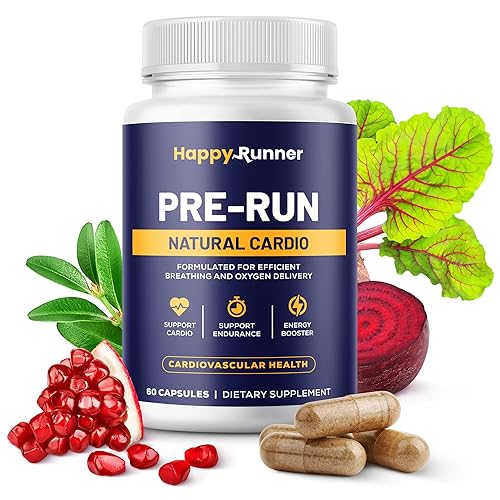 Best for a pre-run routine focusHappy Runner: Pre-RunView on Amazon
Our Top Picks
Quick Comparison
| Product | Best for | Key feature |
|---|---|---|
| Daniels’ Running Formula | Structured interval plans | VDOT-based training paces |
| Happy Runner: Pre-Run | Pre-run routine focus | Breathing and blood flow claims |
| Science of Running | Technique and injury prevention | Biomechanics-focused analysis |
| 80/20 Running | Easy-heavy endurance balance | Polarized intensity distribution |
Daniels’ Running Formula
Daniels' Running Formula
Best for: Structured interval plans
This book suits runners who want interval sessions tied to specific paces. It explains how to set training zones from a recent race result, which makes it easy to know how fast each repeat should be. We also found Top 3 Books on Interval Running to Improve Endurances in 2026 useful on this point.
Pros
- Clear pace tables for each training zone
- Plans range from 5K to marathon distance
Cons
- Math-heavy sections can feel dense for beginners
Happy Runner: Pre-Run
Happy Runner: Pre-Run – Enhances Breathing, Improved Oxygen Delivery, Respiratory Efficiency, Boosts Endurance, Nitric Oxide Booster, Improved Blood Flow, Running Supplements, Cardiovascular Health
Best for: Pre-run routine focus
This product is aimed at runners who want a supplement-based routine before workouts. Its listing emphasizes breathing and endurance support, though the evidence behind those claims varies, so check with a professional before adding any supplement.
Pros
- Simple pre-run routine to follow
- Focuses on the warm-up part of a session
Cons
- Benefits are not a substitute for structured training
Science of Running
Science of Running: Analyze your Technique, Prevent Injury, Revolutionize your Training (The Science of Fitness)
Best for: Technique and injury prevention
This book fits runners who want to understand the mechanics behind their stride and how training load affects injury risk. It is useful alongside an interval or endurance plan rather than as a standalone workout guide.
Pros
- Explains the physiology behind speed and endurance
- Practical technique analysis
Cons
- Light on week-by-week workout plans
80/20 Running
80/20 Running: Run Stronger and Race Faster by Training Slower
Best for: Easy-heavy endurance balance
This book suits runners who want to build endurance by keeping most runs easy and reserving a small share for hard intervals. It is a good match for anyone who has been running too hard on easy days.
Pros
- Clear polarized training structure
- Helps prevent the common mistake of running easy days too fast
Cons
- Can feel slow for runners who want quick speed gains
Buying Guide
Your current fitness and experience
If you are new to running, an endurance-focused plan usually builds the aerobic base you need before adding hard repeats. Experienced runners often benefit more from structured interval work once their base is in place. You may also like Is Interval Running Better Than Jogging? A Step-by-Step Answer (2026).
Your race distance
Shorter races such as the 5K rely more heavily on speed and lactate tolerance, while half marathon and marathon training depends more on aerobic endurance. Match the book’s focus to the distance you are targeting.
How much you want to learn versus follow
Some books give you a plan to copy, while others explain the reasoning so you can build your own sessions. Choose the style that matches how you like to train.
Good picks for this: Daniels’ Running Formula, 80/20 Running
FAQ
Is interval running better than endurance running?
Neither is better in every case. Interval running improves speed and lactate tolerance, while endurance running builds the aerobic base that supports longer races.
How many interval sessions should I do each week?
Most recreational runners do one or two hard sessions per week, with the rest of the running kept at an easy pace. Adjust based on your recovery and race goals.
Can I combine interval and endurance training?
Yes, and many training plans do exactly that. Keeping most runs easy while adding a small amount of hard work is a common approach.
Conclusion
If you want a structured plan with exact paces, Daniels’ Running Formula is a strong starting point. Runners who prefer to keep most runs easy and add a few hard sessions will find 80/20 Running a useful guide. Science of Running suits those focused on form, while Happy Runner: Pre-Run covers a routine rather than a training plan.
Sources
- Physical activity guidelines for adults, including aerobic and muscle-strengthening recommendations (cdc.gov)
- Position stands and guidance on exercise prescription for aerobic and interval training (acsm.org)
Related reading
- Interval Running vs Fartlek (2026): Which Is Better for Speed Gains?
- Best Running Interval Workout: 6 Sessions for Speed and Endurance
- What Is Run Interval Training? A Beginner's Guide to Faster Running
- What Is Interval Training Running? A Beginner's Guide to Faster Splits
- What Are Interval Training Workouts? A Beginner's Guide to Faster Running
About Owen Palmer
Owen Palmer is part of our editorial team and reviews and edits our speed & interval running guides, checking product details against manufacturer specifications and owner feedback.


