By Owen Palmer
Updated November 2026
If you are searching for a fitbit circuit training vs interval workout comparison, you probably want to know two things: which type of session builds the fitness you are after, and which tracking tools will show you whether it is working. This guide looks at the three products that best support those goals, judged on how well they track heart rate and effort during fast, structured sessions, how well they handle timing and rest intervals, and how consistent owner feedback has been. We have not tested these products ourselves. The picks below reflect manufacturer specifications, brand reputation, and common patterns in owner reviews.
Our top picks at a glance
- 1
 TOP CHOICEBest overallFitbit Inspire 3 Health & Fitness Tracker BundleView on Amazon
- 2
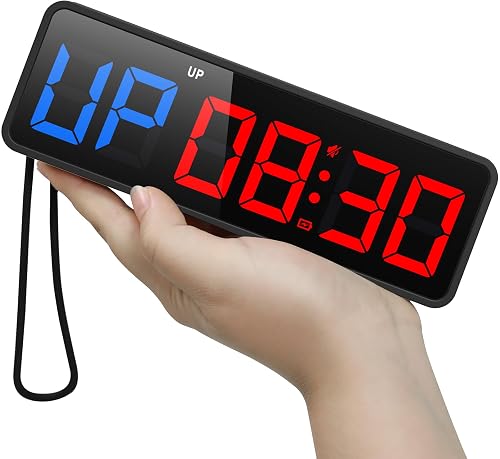 Best for timed interval sessionsANJANK Small Portable Gym Timer ClockView on Amazon
- 3
 Best for no-equipment circuitsStack 52 HIIT Interval Workout GameView on Amazon
Our Top Picks
Quick Comparison
| Product | Best for | Key feature |
|---|---|---|
| Fitbit Inspire 3 Health & Fitness Tracker Bundle | Tracking effort in both circuit and interval sessions | Continuous heart rate and workout intensity tracking |
| ANJANK Small Portable Gym Timer Clock | Running work and rest periods precisely | Magnetic, portable interval timer with remote control |
| Stack 52 HIIT Interval Workout Game | Bodyweight circuits with guided structure | Video-guided, no-equipment workout program |
Fitbit Inspire 3 Health & Fitness Tracker Bundle
Fitbit Inspire 3 Health & Fitness Tracker Bundle – with Stress Management, Workout Intensity, Sleep Tracking, 24/7 Heart + 2 Silicone Bands, 2 Screen Protectors, Cleaning Cloth & Fast Charger
Best for: Tracking effort in both circuit and interval sessions
This is the most complete option if you want one device to log both styles of training. It suits people who already use Fitbit’s app and want heart rate data during rapid transitions between exercises, which is where circuit and interval sessions differ most in intensity.
Key specs
- Continuous 24/7 heart rate monitoring
- Workout intensity tracking
- Sleep tracking and stress management features
- Bundle includes two silicone bands, two screen protectors, and a fast charger
Pros
- Heart rate data helps show how hard a circuit or interval block actually felt
- Bundle accessories reduce the need for separate purchases
- Works with the Fitbit app for trend tracking over several weeks
Cons
- Wrist-based heart rate can lag during very sudden intensity changes
- Smaller screen limits how much you can read mid-set
Bottom line: Choose this if you want one tracker to measure both circuit and interval work and you are happy reviewing data after the session.
ANJANK Small Portable Gym Timer Clock
ANJANK Small Portable Gym Timer Clock, Strong Magnet, Workout Interval Timer with Powerful Battery, Stopwatch, Remote Control, Adjustable Brightness, Fitness Digital Timer for Home/Garage/Boxing
Best for: Running work and rest periods precisely
This suits anyone who relies on strict timing, especially for interval blocks where a few seconds of drift changes the stimulus. It is a good companion for home or garage training where a phone timer is distracting.
Key specs
- Stopwatch and countdown timer functions
- Strong magnet for mounting on metal surfaces
- Remote control and adjustable display brightness
Pros
- Timing is independent of your phone and its notifications
- Magnetic mount keeps it visible at the start line or on a rack
- Remote control lets you start and stop without breaking form
Cons
- Does not record heart rate or distance
- Small display can be hard to read from a distance in bright light
Bottom line: A strong pick for structured timed intervals if you want precise work-to-rest control and do not need data logging.
Stack 52 HIIT Interval Workout Game
Stack 52Video Instructions Included. Bodyweight Exercises, No Equipment Needed. Fun and Motivating Training Program. HIIT Interval Workout Game. Designed by Military Fitness Expert.
Best for: Bodyweight circuits with guided structure
This is aimed at people who want a planned, no-equipment circuit with video instruction. It works well for beginners who need someone else to set the order and rest times.
Key specs
- Bodyweight exercises requiring no equipment
- Video instructions included for each movement
- Designed as a HIIT-style interval program
Pros
- No equipment or space beyond a clear floor area
- Guided video reduces guesswork about form and sequencing
- Game-style structure can make repeat sessions easier to stick to
Cons
- Limited progression options for advanced athletes
- Does not track heart rate or session data on its own
Bottom line: Best for beginners or home trainers who want a ready-made bodyweight circuit with clear instruction.
Buying Guide
Understand how the two session types differ
Circuit training moves through several stations with short rests, usually building muscular endurance and overall conditioning. Interval workouts alternate hard efforts with recovery, often at higher peak intensity and with more distinct heart rate spikes. When you compare fitbit circuit training vs interval workout options, the question is whether you want to track rest timing, effort, or both.
Good picks for this: ANJANK Small Portable Gym Timer Clock, Stack 52 HIIT Interval Workout Game
Heart rate tracking during transitions
Intervals produce rapid heart rate changes, so a tracker that updates frequently gives a clearer picture. Check whether the device offers continuous monitoring rather than spot checks. Keep in mind that wrist sensors can lag during sudden shifts.
Good picks for this: Fitbit Inspire 3 Health & Fitness Tracker Bundle
Timing precision and rest control
For interval work, rest periods often need to be exact, such as 30 seconds on and 15 seconds off. A dedicated timer removes doubt and keeps you from drifting into longer rests. Look for clear countdown displays and easy start-stop controls.
Good picks for this: ANJANK Small Portable Gym Timer Clock
Equipment needs and space
Some circuits use dumbbells, bands, or machines, while others rely entirely on bodyweight. Decide what you can store and set up. A bodyweight program needs only floor space, while a tracker needs a charged battery and a compatible phone app.
Good picks for this: Stack 52 HIIT Interval Workout Game, Fitbit Inspire 3 Health & Fitness Tracker Bundle
Use case and experience level
Beginners often benefit from guided instruction and lower-impact moves, while experienced runners or athletes may want precise timing and data. Match the product to your current level rather than your goal alone.
Good picks for this: Stack 52 HIIT Interval Workout Game, ANJANK Small Portable Gym Timer Clock
Durability and battery life
Wearables need regular charging, and a timer used in a garage or outdoors should tolerate dust and bumps. Check the stated battery life and water resistance in the manufacturer’s specifications before buying.
Good picks for this: Fitbit Inspire 3 Health & Fitness Tracker Bundle, ANJANK Small Portable Gym Timer Clock
Care and maintenance
Keep trackers clean and dry, and replace worn bands if fit becomes loose, since loose fit reduces heart rate accuracy. For magnetic timers, avoid dropping them onto hard floors, which can weaken the magnet and housing over time.
Good picks for this: Fitbit Inspire 3 Health & Fitness Tracker Bundle, ANJANK Small Portable Gym Timer Clock
FAQ
Is circuit training or interval training better for fat loss?
Both can contribute to fat loss when total weekly training volume and diet support it. Interval work tends to produce higher intensity in short bursts, while circuits add muscular work. Consistency matters more than the format alone.
Do I need a fitness tracker to do interval or circuit workouts?
No. A tracker is useful for monitoring heart rate and effort, but you can run both styles with a simple timer and a clear plan.
How long should an interval session last?
Many interval sessions run 20 to 40 minutes including warm-up and cool-down, though the hard work itself is often much shorter. Adjust based on your fitness and recovery.
Can I combine circuits and intervals in one workout?
Yes. Many trainers alternate a circuit block with a short interval block. Plan rest days between high-intensity sessions to allow recovery.
How often should I do high-intensity work each week?
Many coaching guidelines suggest limiting hard sessions to two or three per week for most recreational exercisers, with easier days in between. Individual needs vary.
Should I check with a doctor before starting high-intensity training?
Yes, especially if you have heart, joint, or blood pressure concerns, or have been inactive. A health professional can advise on safe intensity levels.
Conclusion
For a fitbit circuit training vs interval workout decision, the right pick depends on what you need to measure. The Fitbit Inspire 3 bundle suits anyone who wants heart rate data across both session types. The ANJANK timer works best for strict interval timing, and the Stack 52 program fits beginners who want guided bodyweight circuits. Matching the tool to your goal will make the biggest difference.
Sources
- Physical activity guidelines and recommended weekly exercise levels (cdc.gov)
- Position guidance on exercise intensity and training prescription (acsm.org)
- Research summaries on high-intensity interval training and health outcomes (nih.gov)
Before you buy: helpful guides
- Interval Training vs Steady State: Which Builds Speed Faster? (2026)
- Interval Training Treadmill 30 Minutes: A Step-by-Step Workout Guide
- High Intensity Interval Training Workout Youtube: A Practical Guide (2026)
- Free Interval Training App: 7 Steps to a Free Workout Plan That Works
- 7 Minute Sprint Interval Training: A Step-by-Step Workout Guide
Related reading
About Owen Palmer
Owen Palmer is part of our editorial team and reviews and edits our speed & interval running guides, checking product details against manufacturer specifications and owner feedback.