By Owen Palmer
Updated November 2026
Zone 5 interval training is the right choice for runners who want to build top-end speed, VO2 max and raw power for shorter races, while Zone 4 work suits runners who need to raise their lactate threshold and sustain effort for longer. Most runners benefit from both, but if you can only add one hard session per week, match it to your next race distance and how well you currently recover.
Zone 5 vs Zone 4 at a Glance
Heart rate zone names vary between watches and coaching systems, so this comparison uses a five-zone model where Zone 5 is maximal or near-maximal effort and Zone 4 is hard but controlled threshold effort. Zone 5 sessions are short and sharp. Zone 4 sessions are longer and feel “comfortably hard.”
| Criterion | Zone 5 Interval Training | Zone 4 Threshold Work |
|---|---|---|
| Typical effort | 90–100% of max heart rate | 85–90% of max heart rate |
| Typical rep length | 30 seconds to 3 minutes | 5 to 20 minutes, or cruise intervals of 1 to 5 minutes |
| Main physiological target | VO2 max, neuromuscular power, running economy at speed | Lactate threshold, sustained aerobic power |
| Session length (hard portion) | 8 to 20 minutes total | 20 to 40 minutes total |
| Recovery demand | High | Moderate to high |
| Best race distances | 1500m, 3K, 5K | 5K, 10K, half marathon |
| Suitable for beginners | Only after a solid aerobic base | Yes, with conservative starting volume |
| Injury and fatigue risk | Higher if done too often | Lower per session, but cumulative |
Winner for Intensity and Heart Rate Control: Zone 4
Zone 4 is easier to control. Because the effort is sustained rather than explosive, your heart rate tends to stabilize within a few minutes, which makes it a good target for a wrist-based or chest-strap monitor. Zone 5 heart rate climbs quickly and lags behind effort, so a 400-meter repeat may be over before your watch reflects the true intensity. For beginners learning to pace, Zone 4 gives more reliable feedback. Zone 5 works better when you judge effort by pace and perceived exertion.
For pacing details, see Interval Training Running Heart Rate: Zones and Splits That Work and Heart Rate for High Intensity Interval Training: Zones and Targets (2026).
Winner for Race Performance at 5K and Under: Zone 5
If your goal is a 1500m, 3K or 5K, Zone 5 work is the more direct tool. Short, hard repeats raise your maximal aerobic capacity and teach you to tolerate the discomfort of racing at the front. A common starting set for a 5K runner is 5 × 800 meters at roughly 5K race pace with 2 to 3 minutes of easy jogging between reps. For a more Zone 5-specific session, try 6 × 400 meters at 1500m-to-mile pace with a full 90-second recovery.
Zone 4 still matters at this distance. A 5K is largely run at threshold effort, so a mix of both keeps you sharp.
Winner for 10K and Half Marathon: Zone 4
For 10K and half marathon racing, sustained efficiency beats raw speed. Zone 4 cruise intervals such as 4 × 1 mile at half marathon pace, with 90 seconds of jogging between reps, build the endurance and lactate clearance that carry you through the back half of a long race. Zone 5 sessions still have a role, but a single short VO2 max session every 10 to 14 days is usually enough. Heavy Zone 5 volume will leave your legs too tired for the long threshold work that pays off over these distances.
Winner for Recovery and Injury Risk: Zone 4
Zone 5 places greater mechanical and metabolic stress on muscles, tendons and the central nervous system. Sprinting, hill repeats at maximal effort and short fast 200s all load the legs more heavily than steady threshold work. That does not make Zone 5 unsafe, but it does mean you need more recovery between sessions. Most coaches space true Zone 5 work at least 48 hours from other hard efforts and from long runs.
If you are returning from injury, have a history of calf or hamstring strains, or are older and new to speed work, favor Zone 4 and introduce Zone 5 gradually. The Who Benefits Most From Interval Training: A Guide for Runners and Beginners guide explains which groups should build up slowly. This is general guidance, so check with a physician or physical therapist before adding high-intensity work if you have a medical condition or a current injury.
Winner for Time Efficiency: Zone 5
Zone 5 sessions deliver a strong stimulus in very little time. A 25-minute workout with a warm-up, 6 × 400 meters with recoveries, and a cool-down fits easily into a busy schedule. Zone 4 sessions usually need 45 to 60 minutes to deliver the same training load. If you have 30 minutes or less on a weekday, Zone 5 is the more practical choice. For structured options, see What Are Interval Training Workouts? A Beginner's Guide to Faster Running.
Winner for Beginners: Zone 4
New runners usually improve most from building an aerobic base, then adding threshold work. Zone 4 gives you a gentler introduction to hard effort. A beginner might start with 3 × 5 minutes at a “comfortably hard” pace with 2 minutes of walking, then progress over several weeks. Zone 5 should wait until you can complete a 30-minute easy run without fatigue and can finish a threshold session without falling apart. Because Zone 5 is so demanding, the early gains are real but the mistakes are costly.
Which Should You Choose?
- Choose Zone 5 interval training if you are preparing for a 1500m, 3K or 5K and already run three or more easy days per week.
- Choose Zone 4 threshold work if you are training for a 10K, half marathon or marathon, or you are a beginner building your first structured plan.
- Choose Zone 5 for limited time if you have 30 minutes or less on training days and can recover well between sessions.
- Choose Zone 4 for injury-prone legs if you have recurring calf, Achilles or hamstring issues.
- Choose both if you are an experienced runner: one Zone 5 session and one Zone 4 session per week, separated by at least two easy days, is a common balanced structure.
Tools to Help You Train in Each Zone
A heart rate monitor helps with Zone 4 control, while a watch with accurate pace alerts helps with Zone 5 splits. Many runners use a GPS watch for both. For a shortlist, read Best GPS Watches for Interval Training. A chest strap heart rate monitor is often more responsive than wrist-based sensors during fast repeats, which matters for short Zone 5 efforts.
Look for these features when choosing a watch for interval work:
- Lap or auto-lap by distance and by time, so repeats start and stop cleanly.
- Custom interval workouts that display target pace or heart rate zone.
- Alerts you can set to audible or vibration, so you do not need to look down mid-rep.
- A chest strap compatibility option for more accurate heart rate readings.
Recommended Products
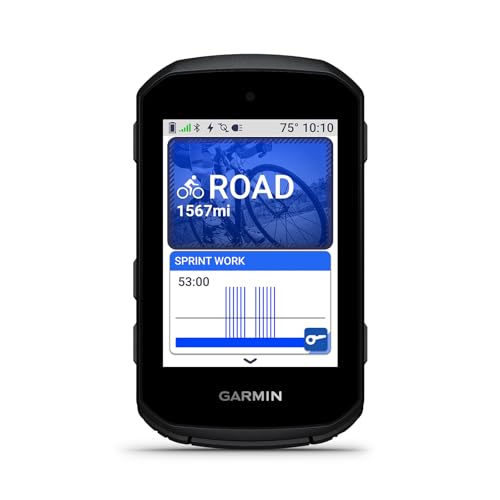
Garmin Forerunner 265 is a commonly used GPS watch with structured interval workouts and heart rate zone displays, suited to both Zone 4 and Zone 5 training. View on Amazon
Polar H10 is a chest strap heart rate monitor often used for accurate Zone 4 and Zone 5 tracking during fast repeats. View on Amazon
Coros Pace 3 is a lightweight GPS watch that supports interval workouts and heart rate zones for runners who want a simpler device. View on Amazon
FAQ
How often should I do zone 5 interval training?
Most runners do one true Zone 5 session per week during a race-focused block, and sometimes none during base-building. Allow at least 48 hours of recovery before the next hard session, and reduce frequency if your legs feel heavy or your pace drops.
What heart rate counts as zone 5?
Zone 5 is generally 90 to 100 percent of your maximum heart rate. Because maximum heart rate estimates are imprecise, a field test or lab test gives better numbers. Pace and perceived effort are useful backups.
Can beginners start with zone 5 interval training?
Beginners should build an aerobic base first, usually several weeks of consistent easy running. Short, controlled Zone 5 efforts such as 20-second strides can be introduced earlier, but full Zone 5 repeats are best left until you are comfortable with threshold work.
Is zone 5 interval training better than zone 4 for weight loss?
Both zones burn calories, and total weekly volume matters more than the zone for weight loss. Zone 5 burns more per minute but is harder to sustain. Consistent training in either zone, combined with good nutrition, is more effective than occasional maximal efforts. Consult a doctor or registered dietitian for personalized weight management advice.
How long should a zone 5 interval session last?
A typical session includes a 15 to 20 minute warm-up, 8 to 20 minutes of hard work spread across repeats, and a 10 minute cool-down. The total hard time in Zone 5 should stay low, because the effort is so intense that extra volume rarely adds benefit.
Conclusion
Zone 5 interval training wins for short-race speed, time efficiency and experienced runners with spare recovery capacity. Zone 4 threshold work wins for longer races, beginners, injury-prone runners and anyone who wants steadier heart rate feedback. Start with the zone that matches your next goal, keep Zone 5 sessions to one or two per week, and adjust based on how your body responds. Those with heart conditions or other medical concerns should consult a physician before starting high-intensity training.
Related reading
About Owen Palmer
Owen Palmer is part of our editorial team and reviews and edits our speed & interval running guides, checking product details against manufacturer specifications and owner feedback.