By Owen Palmer
Updated November 2026
High intensity interval training and low intensity interval training both alternate hard and easy efforts, but they serve different goals. High intensity interval training (HIIT) wins for runners and athletes who want fast gains in speed, VO2 max and time efficiency. Low intensity interval training (LIIT) wins for beginners, people returning from injury and anyone who needs to build aerobic base or accumulate training volume without heavy fatigue.
High Intensity Interval Training vs Low Intensity Interval Training at a Glance
| Criterion | High Intensity Interval Training | Low Intensity Interval Training |
|---|---|---|
| Work interval effort | 85–95% of max heart rate, or 8–9 out of 10 on perceived effort | 60–75% of max heart rate, or 4–6 out of 10 on perceived effort |
| Typical session length | 15–30 minutes | 30–60 minutes |
| Recovery needed between sessions | 24–48 hours | Often same day or next day |
| Main physiological target | VO2 max, lactate threshold, anaerobic power | Aerobic base, fat oxidation, mitochondrial density |
| Injury and fatigue risk | Higher, especially for new exercisers | Lower, suitable for most people |
| Best for | Race speed, time-limited training | Base building, beginners, recovery phases |
Speed and Race Performance: HIIT Wins
If your goal is a faster 5K or 10K, high intensity interval training is the stronger choice. Intervals run at or near your maximal aerobic speed push your heart and muscles to adapt in ways steady running does not. A typical runner-focused HIIT session might be 6 × 800 meters at 5K race pace with 90-second jog recoveries. Your target pace for those repeats usually falls between 5:00 and 5:30 per mile for a runner who finishes a 5K in about 22 minutes.
Low intensity interval training improves speed more slowly. It builds the aerobic engine that makes faster running sustainable, so it still matters, but it rarely produces a noticeable jump in race times on its own.
Winner: High intensity interval training.
Time Efficiency: HIIT Wins
High intensity interval training delivers a lot of training stimulus in a short window. A 20-minute session with a 5-minute warm-up, six 30-second hard efforts at a 9 out of 10 effort, separated by 90-second easy recoveries, and a 5-minute cooldown can meet many fitness goals. Low intensity interval training usually needs 40 to 60 minutes to add comparable total work, because each effort is easier and you do not accumulate the same intensity load per minute.
Winner: High intensity interval training.
Recovery and Fatigue: LIIT Wins
High intensity work produces substantial muscular and nervous system fatigue. Most coaches recommend no more than two or three hard interval sessions per week for recreational runners, with at least one easy or rest day between them. Low intensity interval training is far easier to recover from, so you can often do it on consecutive days or as active recovery after a hard week.
Owners of heart-rate watches often report that their resting heart rate and perceived soreness stay more stable during low intensity blocks, which is a practical sign of lower systemic stress.
Winner: Low intensity interval training.
Injury Risk: LIIT Wins
Fast sprint-style intervals load tendons, calves, hamstrings and the Achilles at high force. Runners who jump straight into HIIT after a sedentary period, or who add too many hard sessions too quickly, are more likely to develop shin splints, hamstring strains and Achilles problems. Low intensity intervals are gentler on joints and connective tissue, which makes them a safer starting point.
Winner: Low intensity interval training.
Calorie Burn and Fat Loss: HIIT Wins Per Minute
High intensity sessions raise your metabolic rate more during and after exercise, so they burn more calories per minute. Total fat loss, however, depends mostly on your overall weekly energy balance, diet and consistency. Low intensity interval training is easier to sustain for longer sessions, which can add up to a similar or greater total burn if you can do it several times a week without burning out.
Anyone managing a medical condition or weight-related health concern should talk with a doctor or registered dietitian before changing their exercise or diet plan.
Winner: High intensity interval training for calorie burn per minute; low intensity interval training for sustainable weekly volume.
Beginner Friendliness: LIIT Wins
Low intensity interval training is the easier entry point. You can use a simple structure such as 2 minutes brisk walking alternating with 1 minute easy jogging, repeated for 30 minutes. High intensity interval training requires a solid aerobic base, good form and an understanding of how hard “hard” really feels. Beginners often push too hard on their first HIIT session and end up discouraged or sore for days.
Winner: Low intensity interval training.
Which Should You Choose?
- Choose high intensity interval training if you are a trained runner targeting a faster 5K or 10K, you have limited weekly time, and you can recover well between hard sessions.
- Choose low intensity interval training if you are new to exercise, returning from injury, building an aerobic base, or training for a long race where volume matters more than sprint speed.
- Choose a mix if you are an intermediate runner. Many training plans use one or two HIIT sessions per week alongside several easy LIIT or steady sessions.
- Choose low intensity interval training during heavy work or life stress periods when recovery is limited.
- Choose high intensity interval training in the build phase before a race, then shift toward low intensity work during taper.
For structured guidance on starting either approach, see Low Intensity Interval Training: A Step-by-Step Guide for Beginners and Try High Intensity Interval Training HIIT: A Step-by-Step Guide for Beginners. If you want to compare the two in more depth, read High Intensity Interval Training vs Low Intensity Cardio (2026): Which Should You Choose? and Is High Intensity Interval Training Effective? HIIT vs Steady Cardio (2026).
Gear and Equipment
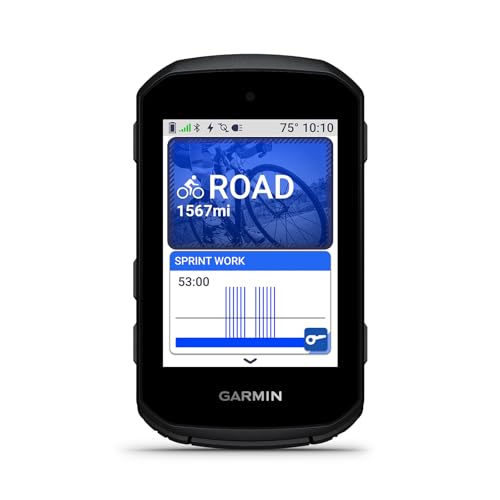
For high intensity interval training, a heart-rate monitor or running watch helps you hit your target zone. Many runners use a chest strap for the most accurate heart-rate readings during sprints. Look for a model with interval timer features.
For low intensity interval training, a basic running watch with a timer is enough. A budget or mid-range GPS watch works well for tracking easy pace and time.
Sample Workouts for Each Option
High Intensity Interval Training Session
- Warm up 10 minutes easy running.
- Run 6 × 800 meters at 5K race effort, about 8 to 9 out of 10, with 90 seconds easy jog between repeats.
- Cool down 10 minutes easy running.
Low Intensity Interval Training Session
- Warm up 5 minutes brisk walk.
- Alternate 2 minutes easy jogging at 4 to 5 out of 10 effort with 1 minute walking, for 30 minutes total.
- Cool down 5 minutes walking and gentle stretching.
FAQ
Can I do high intensity interval training every day?
Most people should not. Two or three well-structured HIIT sessions per week, with recovery days between them, is the usual recommendation for recreational exercisers. Daily hard efforts raise injury and overtraining risk.
Is low intensity interval training actually useful?
Yes. It builds aerobic capacity, improves recovery between harder efforts and lets you accumulate training volume safely. Many elite endurance athletes spend most of their training time at low intensity.
Which burns more fat, HIIT or LIIT?
Overall fat loss depends mainly on weekly calorie balance and consistency. HIIT burns more calories per minute, while LIIT can be done for longer and more often, so the better choice is the one you will stick with.
How do I know if I am working hard enough in HIIT?
Use perceived effort on a 1 to 10 scale. Work intervals should feel like 8 to 9 out of 10, where you can speak only a few words at a time. Heart-rate zones at 85 to 95% of max also work if you have a reliable monitor.
Should I talk to a doctor before starting interval training?
Yes, especially if you have heart disease, high blood pressure, diabetes, joint problems or have been inactive for a long time. A doctor can help you choose an intensity level that is safe for you.
Conclusion
High intensity interval training is the better tool for speed, race performance and time-limited training, provided you recover well. Low intensity interval training is the better foundation for beginners, injury recovery and long-term aerobic development. For most runners, the strongest plan combines both: a small number of hard HIIT sessions supported by plenty of easy LIIT and steady running. Adjust the ratio to your experience, goals and recovery capacity.
Related reading
About Owen Palmer
Owen Palmer is part of our editorial team and reviews and edits our speed & interval running guides, checking product details against manufacturer specifications and owner feedback.