
 By Owen Palmer
Updated November 2026
Road cycling interval training is one of the most reliable ways to raise your power, lift your threshold and ride faster for longer. The problem is that most riders learn it from scattered forum posts, half-remembered coach advice or a single workout app, and they end up repeating the same sessions without a clear plan. Books and written guides fill that gap. This list focuses on titles that explain the physiology behind intervals, provide structured sessions and cover how to fit them into a real training week. Each pick was chosen by comparing the author’s background, how complete the content appears from the listing, and the feedback owners commonly report about clarity and usefulness.
Our top picks at a glance
- 1
 TOP CHOICEBest overallInterval Training for Cycling: From lab to racesView on Amazon
- 2
 TOP CHOICEBest for indoor sessionsIndoor Cycling TrainingView on Amazon
- 3
 TOP CHOICEBest for racers who want a complete systemSmart Cycling: Successful Training and Racing for Riders of All LevelsView on Amazon
- 4
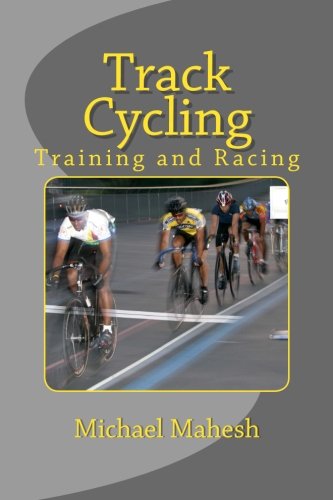 Best for track-influenced power workTrack Cycling: Training and RacingView on Amazon
- 5
 Best budget pick (log format)Cycling Training Journal: A 52-Week Road & Endurance Ride LogView on Amazon
- 6
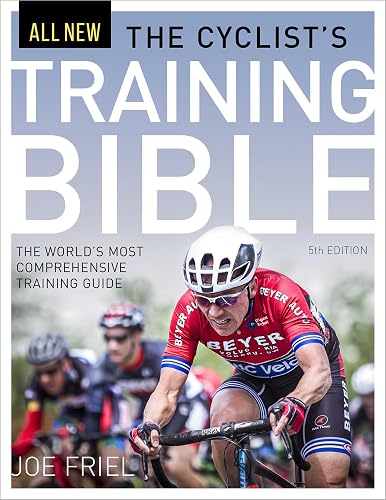 Best reference libraryThe Cyclist's Training BibleView on Amazon
Our Top Picks
| Product | Best for | Key feature |
|---|---|---|
| Interval Training for Cycling: From lab to races | Riders who want the science behind intervals | Connects physiology research to race application |
| Indoor Cycling Training | Riders training on a trainer or in winter | Structured sessions for controlled indoor conditions |
| Smart Cycling: Successful Training and Racing for Riders of All Levels | Riders who want a full season-level system | Covers training and racing together across levels |
| Track Cycling: Training and Racing | Riders who want to build explosive, high-output power | Focus on sprint and high-intensity efforts |
| Cycling Training Journal: A 52-Week Road & Endurance Ride Log | Riders who want to plan and record their intervals | Weekly log for power, heart rate and distance |
| The Cyclist’s Training Bible | Riders who want a single comprehensive reference | Broad coverage of training theory and planning |
Interval Training for Cycling: From lab to races
Interval Training for Cycling: From lab to races
Best for: Riders who want to understand why intervals work before they schedule them.
This title suits road cyclists who like to know the reasoning behind each session. It is a good fit for riders who have trained by feel and now want to link effort, recovery and adaptation to measurable targets. Because it bridges lab findings and race outcomes, it helps you judge which workouts are worth your limited hours.
Key specs
- Subject: interval training for cycling
- Focus: translating laboratory physiology into race-ready sessions
Pros
- Explains the physiology behind work and recovery intervals
- Useful for converting power numbers into structured efforts
- Helps you adapt sessions as your fitness changes
Cons
- Can feel dense for riders who prefer short, ready-to-use workouts
- Requires a power meter or heart rate data to get the most out of it
Bottom line: The best choice for riders who want depth and are willing to read for understanding.
Indoor Cycling Training
Indoor Cycling Training
Best for: Riders training on a trainer or in winter who need controlled interval sessions.
If you spend much of the year on a stationary trainer, this book helps you turn limited indoor time into productive work. Its structure is well suited to repeatable intervals, where you can hold target power without outside distractions.
Key specs
- Subject: indoor training for cyclists
- Focus: structured workouts for trainers and controlled settings
Pros
- Practical for winter or limited-time training blocks
- Session structure is easy to repeat week to week
- Works well alongside a power meter or smart trainer
Cons
- Less focused on outdoor race tactics
- Some owners report wanting more guidance on progression
Bottom line: A strong pick for riders whose interval work happens mainly indoors.
Smart Cycling: Successful Training and Racing for Riders of All Levels
Smart Cycling: Successful Training and Racing for Riders of All Levels
Best for: Racers who want a complete system covering both training and competition.
This title is written for riders at several levels, so it works for a first-season racer as well as someone returning to the sport. It places intervals inside a broader plan that includes racing, recovery and progression across a season.
Key specs
- Subject: training and racing across skill levels
- Focus: integrating intervals into a season plan
Pros
- Covers how intervals fit with racing, not just workouts
- Suitable for riders at different experience levels
- Gives context for planning recovery between hard blocks
Cons
- Broader scope means some sections are less detailed on intervals alone
- Printed guidance may feel dated on newer technology
Bottom line: Best for racers who want interval training placed inside a complete season approach.
Track Cycling: Training and Racing
Track Cycling: Training and Racing
Best for: Riders who want to build explosive, high-output power for sprints and short efforts.
Track disciplines demand short, very hard efforts with full recovery, and this title explores that style of work. Road riders who want sharper sprints or stronger attacks can borrow its high-intensity principles and apply them to road intervals.
Key specs
- Subject: track cycling training and racing
- Focus: high-intensity and sprint-oriented work
Pros
- Strong on short, maximal efforts and recovery timing
- Useful for road riders who need sprint or attack power
- Clear distinction between track and road demands
Cons
- Less relevant for long endurance or threshold-focused riders
- Some concepts assume access to a velodrome
Bottom line: A good supplement for road riders who want more top-end power.
Cycling Training Journal: A 52-Week Road & Endurance Ride Log
Cycling Training Journal: A 52-Week Road & Endurance Ride Log to Plan Workouts, Track Power, Heart Rate, Distance & Progress
Best for: Riders who want to plan and record their interval sessions week by week.
A log is not a textbook, but it turns interval training into a habit. Writing down target power or heart rate, the work and rest periods completed, and how you felt makes it easier to spot patterns and decide when to push or back off.
Key specs
- Format: 52-week ride log
- Tracks: power, heart rate, distance and progress
Pros
- Makes it easy to record interval sets and recovery
- Helps identify fatigue and progression trends
- Works with any power meter or heart rate monitor
Cons
- Offers no instructional content on training theory
- Manual entry takes time if you already use a training app
Bottom line: The most practical companion for riders who already know their intervals and want to track them.
The Cyclist’s Training Bible
The World's Most Comprehensive Training Guide The Cyclist's Training Bible: The World's Most Comprehensive Training Guide
Best for: Riders who want one comprehensive reference covering a wide range of training topics.
This is a broad, reference-style guide. It is well suited to riders who want to look up interval ideas, nutrition, recovery and planning in one place rather than buying several narrow titles.
Key specs
- Subject: comprehensive cycling training
- Focus: broad coverage of training theory and planning
Pros
- Covers many training topics beyond intervals
- Useful as a long-term reference across seasons
- Good for building an overall training framework
Cons
- Breadth means interval sessions get less depth than specialist titles
- Can feel overwhelming for beginners
Bottom line: A solid pick for riders who want a single reference shelf book rather than a specialist interval guide.
Buying Guide
Scope: intervals only or full training
Decide whether you need a book focused on interval sessions or a broader guide that also covers recovery, racing and nutrition. Specialist titles give more detail on workouts, while comprehensive guides help you see how intervals fit the whole year.
Good picks for this: Interval Training for Cycling: From lab to races; The Cyclist’s Training Bible
Your riding environment
If you train mostly on a trainer, look for sessions designed for controlled indoor conditions where power targets are easy to hold. Outdoor riders may prefer material that accounts for terrain, wind and traffic.
Good picks for this: Indoor Cycling Training; Smart Cycling: Successful Training and Racing for Riders of All Levels
Your current level and goals
Beginners benefit from clear structure and simple progressions, while experienced riders often want physiology and race application. Match the book’s depth to your current fitness and the events you are targeting.
Good picks for this: Smart Cycling: Successful Training and Racing for Riders of All Levels; Interval Training for Cycling: From lab to races
Explosive power versus endurance
Short, maximal efforts and long threshold efforts build different qualities. If your goal is sprints or attacks, look for material on high-intensity and track-style work. If your goal is sustained climbs or time trials, prioritize threshold-focused content.
Good picks for this: Track Cycling: Training and Racing; Indoor Cycling Training
Tracking and data use
Interval training is easier to manage when you record targets and results. Check whether the book or companion product gives you space or structure to log power, heart rate, distance and recovery.
Good picks for this: Cycling Training Journal: A 52-Week Road & Endurance Ride Log
Depth of explanation
Some riders want step-by-step sessions, while others want to understand the reasoning. Read the table of contents or description to see whether the content leans toward workouts, theory or both.
Good picks for this: Interval Training for Cycling: From lab to races; The Cyclist’s Training Bible
Format and durability
A workbook or log with a sturdy binding will last through a season of frequent use better than a thin paperback. Consider whether you want to write in it, since that affects which format you should choose.
Good picks for this: Cycling Training Journal: A 52-Week Road & Endurance Ride Log; The Cyclist’s Training Bible
FAQ
How often should I do road cycling interval training?
Most riders include one or two interval sessions per week, with at least one easy or recovery day between hard efforts. The exact number depends on your training load, recovery and race schedule, so adjust based on how you respond.
How long should a road cycling interval session last?
A typical session includes a warm-up of 10 to 20 minutes, a main set of intervals, and a cool-down. The main set often totals 20 to 60 minutes of work, depending on the interval length and intensity.
Do I need a power meter for interval training?
A power meter is helpful because it gives precise targets, but heart rate or perceived effort can also guide intervals. Many riders start with heart rate or perceived exertion and add power data later.
What is the difference between threshold and VO2 max intervals?
Threshold intervals are harder than endurance pace but sustainable for longer efforts, while VO2 max intervals are short, very hard efforts close to your maximal aerobic output. Books on interval training usually explain how each builds different fitness qualities.
Can beginners use interval training books?
Yes, but beginners often benefit from guides that explain structure and recovery clearly before adding complex sessions. Start with simpler intervals and progress as your fitness and understanding improve.
Should I train intervals indoors or outdoors?
Both work well. Indoor sessions give controlled power targets, while outdoor intervals add variables like wind, terrain and traffic. Many riders use indoor training in winter and outdoor work during the season.
Is an interval training journal worth using?
A log helps you record targets, completed sets and how you felt, which makes it easier to see fatigue and progress over time. It is most useful when paired with a structured training plan.
Conclusion
Road cycling interval training works best when the plan is clear and the results are tracked. If you want the science behind your sessions, start with Interval Training for Cycling: From lab to races. For winter or trainer-based blocks, Indoor Cycling Training is a practical choice. Racers who want a full season approach should consider Smart Cycling, while sprint-focused riders may benefit from Track Cycling. Riders who prefer to record their work will find the Cycling Training Journal useful, and those who want one broad reference can rely on The Cyclist’s Training Bible. Match the pick to your environment, goals and experience level, and remember that sensible recovery matters as much as the intervals themselves. If you have a medical condition or are returning from injury, consult a qualified doctor or coach before starting a hard interval program.
Sources
- Physical activity guidelines and recommended levels of vigorous exercise for adults (cdc.gov)
- Position stands and evidence on high-intensity interval training and aerobic fitness (acsm.org)
- Research summaries on interval training, exercise physiology and endurance performance (nih.gov)
Before you buy: helpful guides
- Interval Training in Cycling: A Step-by-Step Guide to Faster Rides
- High Intensity Interval Training Cycling Workouts: 6 Sessions for Faster Riding
- High Intensity Interval Training Cycling: A Step-by-Step Guide for Faster Riding
- Interval Training for Cycling Endurance: A Step-by-Step Guide
- High Intensity Interval Training Indoor Cycling: A Practical Guide (2026)
Related reading
- Garmin Cycling Interval Training: 4 Best Edge Computers Compared (2026)
- 4 Best Interval Training Workouts Cycling Guides for Faster Rides (2026)
About Owen Palmer
Owen Palmer is part of our editorial team and reviews and edits our speed & interval running guides, checking product details against manufacturer specifications and owner feedback.


