
 By Owen Palmer
Updated November 2026
Searchers looking for one hour interval training usually want a structured session they can repeat, or a clear explanation of how long interval blocks should last and how hard to work in them. This list focuses on books that cover interval training in depth, including programming, intensity control and how to build a longer session without burning out. Each pick was chosen by comparing its stated scope, the specificity of its programming advice, the credentials of its authors or publishers, and the patterns owners tend to mention in their feedback. We did not test or practice the methods in these books ourselves, so treat the picks as reading recommendations rather than endorsements of any training outcome.
Our top picks at a glance
- 1
 TOP CHOICEBest overallMaximum Interval TrainingView on Amazon
- 2
 TOP CHOICEBest for cyclistsInterval Training for Cycling: From lab to racesView on Amazon
- 3
 TOP CHOICEBest for programming scienceScience and Application of High Intensity Interval TrainingView on Amazon
- 4
 Best beginner guideUltimate Guide to HIIT: High-Intensity Interval TrainingView on Amazon
- 5
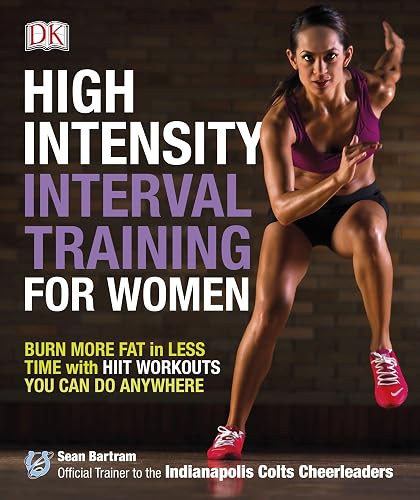 Best for women focused on fat lossHigh-Intensity Interval Training for WomenView on Amazon
- 6
 Best for older adultsStaying Young with Interval TrainingView on Amazon
- 7
 Best for language learners (niche)High Intensity Language TrainingView on Amazon
Our Top Picks
Quick Comparison
| Product | Best for | Key feature |
|---|---|---|
| Maximum Interval Training | Athletes building a structured program | Session-by-session interval design |
| Interval Training for Cycling: From lab to races | Cyclists and triathletes | Sport-specific intensity zones |
| Science and Application of High Intensity Interval Training | Coaches and advanced readers | Evidence-based programming logic |
| Ultimate Guide to HIIT: High-Intensity Interval Training | Beginners | Plain-language introduction |
| High-Intensity Interval Training for Women | Women seeking efficient workouts | Short workouts that can be done anywhere |
| Staying Young with Interval Training | Adults over 40 and returning exercisers | Age-adjusted interval approach |
| High Intensity Language Training | Readers curious about sprint-and-rest methods outside fitness | Applies interval principles to language learning |
Maximum Interval Training
Maximum Interval Training
Best for: Athletes who want a structured, progressive interval program
This is a good fit for runners, cyclists and general fitness enthusiasts who already understand the basics and want to organize longer sessions, such as a full hour of alternating hard and easy work, into a repeatable plan.
Key specs
- Print format with session-by-session programming
- Focus on interval structure, rest ratios and progression
Pros
- Clear emphasis on progression across weeks
- Practical guidance on work-to-rest ratios
- Useful for building sessions longer than 45 minutes
Cons
- Assumes some prior training background
- Less focused on casual, non-athletic readers
Bottom line: Pick this if you want a program you can follow for months rather than a single workout idea.
Interval Training for Cycling: From lab to races
Interval Training for Cycling: From lab to races
Best for: Cyclists and triathletes planning hard-easy blocks
Cyclists often need one hour interval training sessions built around power or heart-rate targets. This title is aimed at riders who want the physiology explained alongside race-oriented workouts.
Key specs
- Sport-specific focus on cycling intervals
- Covers the link between training stimulus and race performance
Pros
- Connects lab-based findings to real race demands
- Useful for structuring threshold and VO2 max efforts
- Helpful for planning recovery between hard sessions
Cons
- Little value for runners without adaptation
- Technical language may be heavy for beginners
Bottom line: The best choice for road and track cyclists who want interval theory tied directly to racing.
Science and Application of High Intensity Interval Training
Science and Application of High Intensity Interval Training: Solutions to the Programming Puzzle
Best for: Coaches and advanced readers who want the reasoning behind programming
This book is aimed at people who want to understand why certain interval structures work, not just copy a workout. It suits trainers designing sessions for clients and athletes who ask detailed questions.
Key specs
- Focus on research-informed programming decisions
- Discusses variables such as intensity, duration and recovery
Pros
- Explains the reasoning behind interval design
- Useful for adapting sessions to different goals
- Strong on load management and progression
Cons
- Denser reading than most beginner guides
- Less step-by-step material for first-time exercisers
Bottom line: A strong pick for readers who want to build their own sessions from first principles.
Ultimate Guide to HIIT: High-Intensity Interval Training
Ultimate Guide to HIIT: High-Intensity Interval Training
Best for: Beginners who want a clear introduction
New exercisers often look for a single, readable source that explains how to structure intervals, choose exercises and avoid overdoing it. This guide is designed to be approachable.
Key specs
- Introductory overview of HIIT principles
- Covers common session formats and how to start
Pros
- Plain-language explanations
- Good starting point before reading advanced texts
- Covers how to scale intensity
Cons
- Less depth on advanced periodization
- Session ideas may feel general for experienced athletes
Bottom line: Ideal for someone new to interval work who wants to understand the basics before committing to longer sessions.
High-Intensity Interval Training for Women
High-Intensity Interval Training for Women: Burn More Fat in Less Time with HIIT Workouts You Can Do Anywhere
Best for: Women looking for efficient, flexible workouts
This title focuses on short, high-effort sessions that need little equipment. Readers who want to fit a longer interval block into a busy schedule may find its formats useful.
Key specs
- Bodyweight-oriented workout format
- Designed for home or travel use
Pros
- Minimal equipment required
- Easy to adapt for a full hour by linking several rounds
- Clear workout layouts
Cons
- Limited detail on running-specific intervals
- Some readers may want more progression guidance
Bottom line: A practical choice for those who want interval workouts without a gym or running track.
Staying Young with Interval Training
Staying Young with Interval Training: The Revolutionary HIIT Approach to Being Fit, Strong and Healthy at Any Age
Best for: Adults over 40 and people returning to exercise
Older exercisers often need intervals adjusted for joint load and recovery. This book addresses how to keep the intensity meaningful while managing risk.
Key specs
- Age-focused interval guidance
- Emphasis on fitness, strength and general health
Pros
- Addresses adaptation for older bodies
- Encouraging, accessible tone
- Covers the health rationale for intervals
Cons
- Less speed-focused than sprint-oriented titles
- Not a substitute for individualized medical advice
Bottom line: Best for readers who want safe, age-aware intervals. Anyone with a medical condition should consult a doctor before starting.
High Intensity Language Training
High Intensity Language Training: An introduction to the key principles (H.I.L.T. – Sprints and Intervals for Accelerated Language Acquisition Book 1)
Best for: Readers curious about applying sprint-and-rest methods to skill learning
This is a niche pick. It applies the logic of intervals, short intense bursts followed by recovery, to language acquisition rather than physical training. It is included for readers exploring the wider idea of interval learning.
Key specs
- Applies interval principles outside fitness
- First volume in a series
Pros
- Original application of interval logic
- Short, focused reading
- Useful for thinking about spaced, intense practice
Cons
- Not relevant to physical one hour interval training
- Limited direct guidance for athletes
Bottom line: Skip this unless you are a language learner interested in the method; it will not help plan a workout.
Buying Guide
Match the book to your experience level
A reader new to exercise needs a different book than a coach. Beginner guides explain terms like work-to-rest ratio and perceived effort, while advanced texts assume you already know them. If you cannot yet hold a steady pace for five minutes, start with an introduction before tackling programming science.
Good picks for this: Ultimate Guide to HIIT: High-Intensity Interval Training, Staying Young with Interval Training
Check the sport focus
Interval principles are shared across running, cycling and rowing, but the examples differ. Cyclists think in watts and heart-rate zones, while runners think in pace and split times. A sport-specific book will save you from translating every example into your own discipline.
Good picks for this: Interval Training for Cycling: From lab to races, Maximum Interval Training
Look for programming, not just workouts
A list of sessions is useful, but a book that explains how to progress intervals over weeks is more valuable for building a full hour of work. Look for discussion of volume, intensity distribution and rest ratios. Good texts explain why a session is built the way it is.
Good picks for this: Science and Application of High Intensity Interval Training, Maximum Interval Training
Consider the length of the session you want
Many interval books focus on 10 to 20 minute workouts. If your goal is one hour interval training, check whether the book covers longer structures, such as mixing tempo blocks with short hard efforts, or simply repeats short sessions. Longer sessions need more attention to recovery.
Good picks for this: Maximum Interval Training, Interval Training for Cycling: From lab to races
Assess the health and safety guidance
Intense intervals place real stress on the heart, joints and connective tissue. A good book should discuss warm-up, progression, and when to stop. Readers with heart conditions, joint problems or who are returning from injury should consult a doctor or physical therapist before starting any high-intensity program.
Good picks for this: Staying Young with Interval Training, High-Intensity Interval Training for Women
Think about equipment and location
Some books assume a track, bike or gym. Others focus on bodyweight workouts that fit into a living room. Decide where you will train before buying, so the examples match what you have available.
Good picks for this: High-Intensity Interval Training for Women, Ultimate Guide to HIIT: High-Intensity Interval Training
Check the depth of the science
Some readers want references and reasoning; others want practical templates. Neither is wrong, but mismatched expectations lead to frustration. Read the table of contents or a sample page to see how much theory is included.
Good picks for this: Science and Application of High Intensity Interval Training, Interval Training for Cycling: From lab to races
FAQ
How long should one hour interval training include?
A full hour usually includes a warm-up, several work-and-recovery blocks and a cool-down. Many coaches build the main set from intervals lasting 30 seconds to 5 minutes, with recovery of similar or longer duration, depending on goals. The exact structure should match your fitness level and training history.
Do I need a book to do interval training?
No. Interval training can be done with a timer and a clear plan. A book helps with structure, progression and safety, especially if you plan a longer session or are new to hard efforts.
Is one hour of intervals too much for beginners?
For most beginners, an hour of high-intensity work is more than the body is ready for. Starting with shorter sessions and building gradually is the safer approach. Beginners should consider a professional assessment before starting intense programs.
How often should I do long interval sessions?
Many programs include one or two hard interval sessions per week, with easier days in between. The right frequency depends on recovery, sleep and other training. Books that discuss weekly load are useful for planning this.
Are interval books suitable for older adults?
Some are. Titles written with older readers in mind discuss adjusted intensity and recovery. Anyone over 40 or with a medical condition should check with a healthcare provider before starting high-intensity training.
Can intervals be applied to running as well as cycling?
Yes. The core principles of work, rest and progression apply to both. The main difference is the metric: runners typically use pace or heart rate, while cyclists often use power. A running-focused reader may need to translate examples from a cycling book.
What should I look for in an interval training guide?
Look for clear explanations of intensity, rest ratios, progression and warm-up. Good guides also discuss when to back off. Avoid books that promise dramatic results without explaining how training load is controlled.
Conclusion
For most readers searching for one hour interval training, Maximum Interval Training offers the most structured route to building longer sessions. Cyclists will get the most from the sport-specific cycling title, while coaches and advanced readers will value the programming science book. Beginners should start with the plain-language HIIT guide, and readers over 40 may prefer the age-aware title. The language training book is a niche pick and is only useful if you are curious about interval logic outside fitness. Whatever you choose, build intensity gradually and consult a healthcare professional before starting if you have any health concerns.
Sources
- Official guidance on physical activity recommendations for adults (cdc.gov)
- Position statements and evidence summaries on exercise programming (acsm.org)
- Research summaries on high-intensity interval training and health outcomes (nih.gov)
Before you buy: helpful guides
Related reading
- Best GPS Watches for Interval Training
- Zone 5 Interval Training vs Zone 4 Training (2026): Which Is Better for Runners?
- Zone 2 vs Interval Training (2026): Which Is Better for Runners?
About Owen Palmer
Owen Palmer is part of our editorial team and reviews and edits our speed & interval running guides, checking product details against manufacturer specifications and owner feedback.



