By Owen Palmer
Updated November 2026
Choosing a high volume interval training resource can feel like a guessing game, especially when most titles promise the same fat loss and fitness gains. This guide narrows the field to seven books that cover high-volume interval work from different angles: general HIIT programming, women-focused routines, interval design for endurance athletes, longevity and older adults, scientific programming, strength-oriented intensity, and cycling-specific training. Each pick is judged on subject focus, how practical the programming is, how clearly it explains the underlying physiology, and how well it fits a particular reader’s goals.
Our top picks at a glance
- 1
 TOP CHOICEBest overallUltimate Guide to HIIT: High-Intensity Interval TrainingView on Amazon
- 2
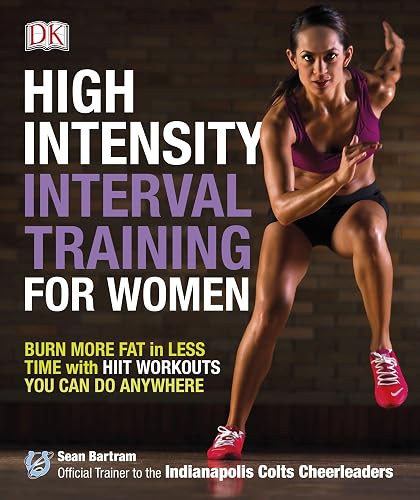 TOP CHOICEBest for women starting HIITHigh-Intensity Interval Training for WomenView on Amazon
- 3
 TOP CHOICEBest for endurance interval designMaximum Interval TrainingView on Amazon
- 4
 Best for older adultsStaying Young with Interval TrainingView on Amazon
- 5
 Best for science-minded programmersScience and Application of High Intensity Interval TrainingView on Amazon
- 6
 Best for strength-focused intensityHigh-Intensity Training the Mike Mentzer WayView on Amazon
- 7
 Best for cyclistsInterval Training for Cycling: From lab to racesView on Amazon
Selection criteria: We looked at the stated scope of each book, the level of detail in its workout design, whether it explains the reasoning behind intervals (work-to-rest ratios, session length, weekly frequency), the intended reader, and patterns in what owners often report about usability. This is a research-based comparison built from listing details and general knowledge of each title, not a set of personal trials.
Our Top Picks
Quick Comparison
| Product | Best for | Key feature |
|---|---|---|
| Ultimate Guide to HIIT: High-Intensity Interval Training | General readers wanting a broad HIIT overview | Wide coverage of interval formats and programming |
| High-Intensity Interval Training for Women | Women starting a home or bodyweight routine | Workouts designed to be done anywhere |
| Maximum Interval Training | Endurance athletes building aerobic capacity | Structured interval blocks for performance |
| Staying Young with Interval Training | Adults over 50 seeking safe, effective intensity | Age-adapted interval approach |
| Science and Application of High Intensity Interval Training | Coaches and advanced readers | Explains the research behind programming choices |
| High-Intensity Training the Mike Mentzer Way | Lifters who want intensity-based strength work | Heavy, brief, high-effort training philosophy |
| Interval Training for Cycling | Cyclists and triathletes | Sport-specific interval plans and race preparation |
Ultimate Guide to HIIT: High-Intensity Interval Training
Ultimate Guide to HIIT: High-Intensity Interval Training
Best for: General readers who want a broad foundation in high-intensity intervals
This is a good starting point for someone who wants to understand how high-volume interval sessions are built before committing to a specific program. It works well for readers who train across several modalities and want a reference that covers running, cycling, bodyweight and machine-based intervals.
Key specs
- Format: paperback guide
- Subject: general high-intensity interval training
- Focus: workout formats, timing and progression
Pros
- Broad coverage of interval formats in one place
- Useful for comparing different work-to-rest structures
- Accessible to readers without a coaching background
Cons
- Breadth can mean less depth on any single sport
- Advanced athletes may want more specialized programming
Bottom line: Pick this if you want a general, well-rounded HIIT reference rather than a niche program.
High-Intensity Interval Training for Women
High-Intensity Interval Training for Women: Burn More Fat in Less Time with HIIT Workouts You Can Do Anywhere
Best for: Women starting HIIT with minimal equipment
This book is aimed at women who want fat-burning intervals they can do at home, in a gym or while traveling. The workouts are built around bodyweight and simple movement patterns, which keeps the barrier to entry low.
Key specs
- Format: paperback
- Audience: women, beginner to intermediate
- Equipment: largely bodyweight-based
Pros
- Workouts require little or no equipment
- Session lengths are often short and manageable
- Clear, approachable instruction for newcomers
Cons
- Limited for athletes needing sport-specific intervals
- Progression for advanced lifters may feel light
Bottom line: A strong choice for beginners who want simple, portable sessions without buying gear.
Maximum Interval Training
Maximum Interval Training
Best for: Endurance athletes building aerobic power and speed
Written with performance in mind, this title suits runners, cyclists and other endurance athletes who want to use intervals to raise their ceiling. It focuses on structuring interval blocks around race goals rather than general fitness.
Key specs
- Format: paperback
- Focus: endurance performance intervals
- Audience: intermediate to advanced athletes
Pros
- Performance-oriented interval structure
- Helpful for planning training blocks around a goal
- Useful for coaches designing athlete programs
Cons
- Assumes a solid base of fitness already
- Less relevant for casual exercisers
Bottom line: Choose this if your goal is measurable performance gains in an endurance sport.
Staying Young with Interval Training
Staying Young with Interval Training: The Revolutionary HIIT Approach to Being Fit, Strong and Healthy at Any Age
Best for: Adults over 50 who want safe, effective intensity
This book applies interval principles to healthy aging, with an emphasis on maintaining strength, cardiovascular fitness and mobility. It is a sensible pick for readers who want to train hard without ignoring recovery or joint health.
Key specs
- Format: paperback
- Audience: adults across midlife and older age
- Focus: age-adapted intensity
Pros
- Addresses recovery and progression for older exercisers
- Encourages consistency over aggressive overreach
- Covers a wide range of ability levels
Cons
- Less focus on competitive performance
- Some readers may want more detailed exercise demonstrations
Bottom line: A good match for older adults who want intensity with a built-in margin of safety.
Science and Application of High Intensity Interval Training
Science and Application of High Intensity Interval Training: Solutions to the Programming Puzzle
Best for: Coaches and advanced readers who want the reasoning behind programming
This title leans toward the science behind interval prescription, explaining why certain intensities, durations and recovery periods produce particular adaptations. It is more academic in tone than most titles on this list.
Key specs
- Format: paperback
- Focus: research and programming applications
- Audience: coaches, students and advanced trainees
Pros
- Explains the physiology behind design decisions
- Useful for building custom programs from first principles
- Good reference for evaluating claims in the HIIT space
Cons
- Dense material can feel slow for casual readers
- Less ready-to-use workout content for beginners
Bottom line: Best for readers who want to understand and design intervals themselves, not just follow a template.
High-Intensity Training the Mike Mentzer Way
High-Intensity Training the Mike Mentzer Way
Best for: Lifters who want intensity-based strength training
Mentzer’s approach centers on brief, very hard resistance training sessions rather than long volume-heavy workouts. It is a philosophy-driven book that appeals to readers who prefer short, intense efforts over frequent conditioning sessions.
Key specs
- Format: paperback
- Focus: resistance training intensity
- Audience: lifters and strength-minded readers
Pros
- Clear philosophy that keeps sessions short
- Encourages maximal effort on each set
- Distinct perspective compared with typical volume training
Cons
- Not focused on cardio or running intervals
- Recovery demands can be high if followed strictly
Bottom line: Pick this if your interest is strength and muscle, with intensity as the main lever.
Interval Training for Cycling: From lab to races
Interval Training for Cycling: From lab to races
Best for: Cyclists and triathletes preparing for events
This book applies interval science to cycling, connecting laboratory concepts to race-day demands. It covers how to structure efforts around power zones, event profiles and seasonal goals.
Key specs
- Format: book
- Sport: cycling
- Focus: lab-to-race interval application
Pros
- Sport-specific structure for cyclists
- Bridges physiology and practical race preparation
- Useful for planning a training season
Cons
- Of limited use to non-cyclists
- Assumes some familiarity with power or effort metrics
Bottom line: The right pick for cyclists who want interval plans tied directly to racing.
Buying Guide
Subject focus and sport
Decide whether you want general fitness, a specific sport or strength. General HIIT books cover a range of formats, while sport-specific titles give you intervals tuned to running, cycling or race demands. Matching the book to your main activity saves you from translating generic advice.
Good picks for this: Ultimate Guide to HIIT, Interval Training for Cycling
Audience and experience level
Beginners need clear progressions and low-equipment options, while advanced athletes need programming detail and training-block logic. Check whether the book assumes prior knowledge of concepts like lactate threshold or work-to-rest ratios.
Good picks for this: High-Intensity Interval Training for Women, Science and Application of High Intensity Interval Training
Depth of explanation versus ready-to-use workouts
Some books give you workouts to follow, while others explain why each workout is built the way it is. If you plan to write your own sessions, prioritize explanatory titles. If you want to start immediately, prioritize books with complete routines.
Good picks for this: Maximum Interval Training, Ultimate Guide to HIIT
Age and recovery needs
Intensity is only useful if you can recover from it. Readers over 50 or returning from a layoff should look for titles that address progression, rest and joint health rather than maximal output alone.
Good picks for this: Staying Young with Interval Training
Equipment and setting
Think about where you will train. Bodyweight-focused books suit home or travel use, while sport or strength titles often assume access to a track, bike, or weights. Matching the equipment assumptions to your setting prevents frustration.
Good picks for this: High-Intensity Interval Training for Women, High-Intensity Training the Mike Mentzer Way
Strength versus conditioning emphasis
If your goal is muscle and strength, a conditioning-first HIIT book may leave you short. Likewise, a lifting-focused book will not give you much running or cycling interval structure. Decide which adaptation matters most before you buy.
Good picks for this: High-Intensity Training the Mike Mentzer Way, Maximum Interval Training
Scientific basis and claims
Look for books that cite research and explain mechanisms rather than relying on bold promises. Be cautious of any book that guarantees specific fat loss or results. If you have a medical condition or are new to intense exercise, consult a doctor or qualified professional before starting.
Good picks for this: Science and Application of High Intensity Interval Training, Staying Young with Interval Training
FAQ
What is high volume interval training?
High volume interval training generally means performing a larger total amount of interval work, such as more repetitions or sets of hard efforts, compared with short, low-volume sessions. The exact definition varies by author, so check how each book defines volume before comparing programs.
Is high volume interval training suitable for beginners?
Not usually at full volume. Beginners typically start with fewer intervals and lower intensity, then build gradually. Books aimed at newcomers tend to include progression plans that reflect this.
How often should I do high volume interval sessions?
Most programs limit high-intensity work to a few sessions per week, with recovery days in between. Frequency depends on fitness, sleep, and total training load, so follow the guidance in whichever book you choose and adjust based on how you recover.
Can older adults safely do high volume interval training?
Older adults can often train with intervals, but they should build gradually and consider any medical conditions first. A physician or qualified exercise professional should review a plan before starting, especially for people with heart, joint, or blood pressure concerns.
Do I need equipment for high volume interval training?
No. Many interval formats use bodyweight movements, while others require a track, bike, rower, or weights. Choose a book whose equipment assumptions match what you have available.
How do I know if a book’s claims are reliable?
Look for references to research, clear explanations of mechanisms, and realistic expectations. Be skeptical of promises of rapid results. Cross-check important health advice with a qualified professional.
Which book should I start with?
If you are unsure, start with a general guide. If you have a specific goal such as endurance racing, strength, or healthy aging, choose the book aimed at that goal.
Conclusion
For a broad, dependable starting point, the general HIIT guide is the most versatile choice. Readers who want home-friendly, bodyweight sessions should consider the women’s-focused title, while endurance athletes will get more from the performance-oriented interval book. Adults over 50 are better served by the age-adapted option, and readers who want to understand the science behind their programming will value the research-focused title. Strength-minded lifters can look to the Mentzer book, and cyclists should choose the cycling-specific guide. Match the book to your primary goal, check its assumptions about experience and equipment, and consult a qualified professional if you have health concerns.
Sources
- Guidance on physical activity recommendations and how much intense activity adults need each week (cdc.gov)
- Research summaries on high-intensity interval training and its physiological effects (nih.gov)
- Position guidance on exercise prescription, intensity, and safe progression (acsm.org)
Before you buy: helpful guides
- High Intensity Interval Training Spinning: A Step-by-Step Guide for Beginners
- High Intensity Interval Training HIIT at Home: A Step-by-Step Guide
- High Intensity Interval Training 7 Minutes: A Step-by-Step Guide
- High Interval Training App: How to Pick One and Build Your Plan (2026)
- High Intensity Interval Training Timer App: A Practical Guide (2026)
Related reading
- What Is High Interval Training? A Clear Definition and How It Works
- What Is High Intensity Interval Training on Apple Watch? A Step-by-Step Guide
About Owen Palmer
Owen Palmer is part of our editorial team and reviews and edits our speed & interval running guides, checking product details against manufacturer specifications and owner feedback.