By Miles Sinclair
Updated November 2026
Off season track workouts keep your speed and strength from fading between racing seasons, but the right training resources make a big difference in how well you rebuild. This list compares five products that suit different off-season goals, from recovery and mobility to strength, field event conditioning, and sprint-focused speed work. Selection followed a research approach: we reviewed product listings, brand reputation, and patterns in owner feedback, weighting clear structure, relevance to track athletes, and practical use across a training block. None of these were personally tested, so check current editions and details before you buy.
Our top picks at a glance
- 1
 TOP CHOICEBest overallOff Season WorkoutsView on Amazon
- 2
 TOP CHOICEBest for recovery daysCool It Off – Debbie Siebers' Slim SeriesView on Amazon
- 3
 TOP CHOICEBest for strength and jumpsTrack and Field Journal With WorkoutsView on Amazon
- 4
 Best for balance and ankle workThe 400 Meter WorkoutView on Amazon
- 5Best for sprint speedThe 400 Meter WorkoutView on Amazon
Our Top Picks
| Product | Best for | Key feature |
|---|---|---|
| Off Season Workouts | Overall off-season planning | Structured training blocks |
| Cool It Off – Debbie Siebers’ Slim Series | Recovery days | Stretch and mobility routines |
| Track and Field Journal With Workouts | Strength and jumps | Circuits and logging space |
| Portable Wobble Board with LCD Monitor | Balance and ankle stability | Adjustable resistance trainer |
| The 400 Meter Workout | Sprint speed | Advanced 400m session design |
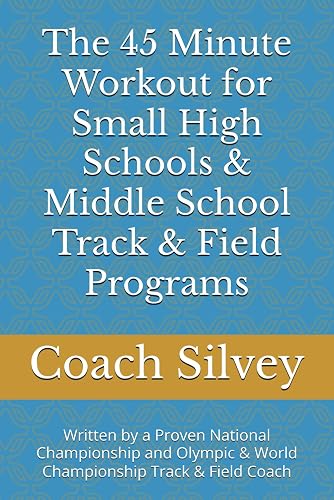
Off Season Workouts
Off Season Workouts
Best for: Overall off-season planning
This suits runners who want a full off-season framework rather than isolated drills, and who prefer a plan they can follow week to week.
Pros
- Organized around training blocks
- Covers multiple training components
Cons
- Less detail on specific sprint mechanics
Cool It Off – Debbie Siebers’ Slim Series
Cool It Off – Debbie Siebers' Slim Series: Stretch/Recovery Workout ( DVD)
Best for: Recovery days
This fits athletes who need low-intensity mobility work between harder sessions, especially after a busy season when tight hips and hamstrings build up.
Pros
- Focused on stretching and recovery
- Easy to follow at home
Cons
- Not designed for track-specific speed work
Track and Field Journal With Workouts
Track and Field Journal With Workouts: General Strength, Multi Throws, Jumping Circuits
Best for: Strength and jumps
This works for throwers, jumpers, and sprinters who want general strength circuits and a place to log sessions across the off season.
Pros
- Includes jumping and throwing circuits
- Built-in space to record progress
Cons
- Print format means no digital tracking
Portable Wobble Board with LCD Monitor

Portable Wobble Board with LCD Monitor, 300lbs Capacity for Home Gym Full Body Workout Physical Therapy YCCHENG Ski Balance Board Trainer, Rocking Stepper with Resistance Bands
Best for: Balance and ankle stability
This suits runners recovering from ankle or knee niggles who want to add proprioception work to a home routine. Manufacturers specify a 300 lb capacity and resistance band compatibility.
Pros
- Compact and usable at home
- Adjustable resistance options
Cons
- Requires a learning curve to use safely
The 400 Meter Workout
The 400 Meter Workout: Advanced Training For 400 Meter Sprinters
Best for: Sprint speed
This is a good match for 400m runners and sprinters who want structured, advanced speed sessions during the off season to protect top-end pace.
Pros
- Sprint-specific session design
- Targets race-specific speed
Cons
- Advanced content may be too intense for beginners
Buying Guide
Match the product to your training phase
Early off season is usually best spent on recovery and general strength, while later weeks can add more speed. Choose resources that match where you are in the cycle.
Look for structure you will actually follow
A plan with clear weekly structure helps keep sessions consistent. Vague guidance tends to get skipped when motivation drops.
Consider injury history
If you are returning from a strain or recurring tightness, prioritize mobility and balance work. Consult a physical therapist or sports medicine professional before starting new strength or balance programs.
Check how you will track progress
Logging splits, reps, and recovery notes helps you spot fatigue early. Printed journals and digital apps each have trade-offs.
Good picks for this: Off Season Workouts and Track and Field Journal With Workouts
FAQ
How long should an off season last for track athletes?
Many coaches suggest two to four weeks of reduced running volume before rebuilding, though the right length depends on your event and how hard the season was. Check with your coach for a plan suited to you.
Should I keep doing speed work in the off season?
Some light speed work, such as short strides, can help maintain neuromuscular sharpness without the fatigue of hard intervals. Avoid high-intensity sessions during the first weeks of recovery.
Is balance training useful for runners?
Balance and proprioception exercises may support ankle and knee stability, which can matter for injury prevention. Start slowly and consult a professional if you have an existing injury.
Related reading
- 4 Best Early Season Track Workouts for Distance Runners (2026): Our Picks
- iPhone App to Track Workouts: 5 Best Picks Compared (2026)
- Workouts to Get Ready for Track: A Step-by-Step Guide for Beginners
- Weighted Vest Track Workouts: A Step-by-Step Guide for Runners
About Miles Sinclair
Miles Sinclair is part of our editorial team and reviews and edits our speed & interval running guides, checking product details against manufacturer specifications and owner feedback.