By Owen Palmer
Updated November 2026
Japanese high intensity interval training is a term that gets used loosely, and most readers who search for it want something specific: a clear explanation of the method, a training plan they can follow, or a reference they can trust over the long run. Books are one of the better ways to get that depth, especially when you want the reasoning behind the workouts rather than a single session to copy. This list focuses on six titles that cover interval training from different angles, from the science and programming side to practical home routines and beginner-friendly overviews. The selection criteria were the match between each book’s stated subject and the search intent, the clarity of the explanation as described in the listing, the breadth of the programming it promises, and the consistency of owner feedback patterns on the platform. None of these picks were tested in a lab or used in a formal trial, so treat the notes below as a guide to what each book is designed to do rather than a verdict on its results.
Best overall: Science and Application of High Intensity Interval Training – View on Amazon
Best for beginners: HIIT – High Intensity Interval Training Explained – View on Amazon
Best for women focused on fat loss: High-Intensity Interval Training for Women – View on Amazon
Best for strength-focused readers: High-Intensity Training the Mike Mentzer Way – View on Amazon
Best budget pick: Hiit: The 20-Minute Dream Body with High Intensity Interval Training – View on Amazon
Best structured reference: Ultimate Guide to HIIT: High-Intensity Interval Training – View on Amazon
Our Top Picks
| Product | Best for | Key feature |
|---|---|---|
| Science and Application of High Intensity Interval Training | Readers who want to understand programming logic | Focus on the science and how to apply it |
| High-Intensity Training the Mike Mentzer Way | Strength-oriented readers | Intensity-first training philosophy |
| HIIT – High Intensity Interval Training Explained | Beginners wanting a clear overview | Plain-language explanation of the method |
| High-Intensity Interval Training for Women | Women focused on fat loss in limited time | Workouts designed to be done anywhere |
| Ultimate Guide to HIIT: High-Intensity Interval Training | Readers who want a complete reference | Broad coverage of formats and structure |
| Hiit: The 20-Minute Dream Body with High Intensity Interval Training | Busy readers who want short sessions | Built around 20-minute workouts |
Science and Application of High Intensity Interval Training: Solutions to the Programming Puzzle

Science and Application of High Intensity Interval Training: Solutions to the Programming Puzzle
Best for: Readers who want to understand why interval structures work and how to adjust them.
This book suits coaches, serious runners, and experienced trainees who already know the basics and want to build their own sessions. It leans toward the reasoning behind work-to-rest ratios and progression rather than a list of ready-made circuits.
Key specs
- Subject: science and application of interval training
- Focus: programming and session design
Pros
- Explains the logic behind interval structures
- Useful for building your own progressions
- Suits readers who want depth over quick workouts
Cons
- Can be dense for complete beginners
- Fewer ready-to-follow routines
Bottom line: The right pick for anyone who wants to program intervals themselves and understand the reasoning behind each choice.
High-Intensity Training the Mike Mentzer Way

High-Intensity Training the Mike Mentzer Way
Best for: Strength-oriented readers who prefer heavy, brief, intense work.
This title is aimed at lifters who favor short, intense sets over long sessions. Its approach is more weight-training than running or cycling, so it fits readers whose main goal is muscle and strength with intensity as the organizing principle.
Key specs
- Subject: high-intensity resistance training philosophy
- Focus: effort and recovery within strength work
Pros
- Clear emphasis on training to failure
- Short-session framework
- Strong focus on recovery between sessions
Cons
- Less relevant for cardio and running intervals
- Methods are controversial among some coaches
Bottom line: Best for lifters who want an intensity-first approach to strength training, not for runners building cardio fitness.
HIIT – High Intensity Interval Training Explained

HIIT – High Intensity Interval Training Explained
Best for: Beginners who want a plain-language overview before committing to a routine.
Readers new to interval training often need the basic concepts first: what counts as high intensity, how rest periods work, and how to scale effort. This title is built for that starting point.
Key specs
- Subject: introduction to HIIT concepts
- Focus: explanation of the method
Pros
- Accessible explanations for new readers
- Covers core terms and structure
- Good groundwork before advanced programming
Cons
- May feel light for experienced trainees
- Less depth on advanced periodization
Bottom line: A solid first read for anyone who is new to interval training and wants to understand the method before starting.
High-Intensity Interval Training for Women: Burn More Fat in Less Time with HIIT Workouts You Can Do Anywhere
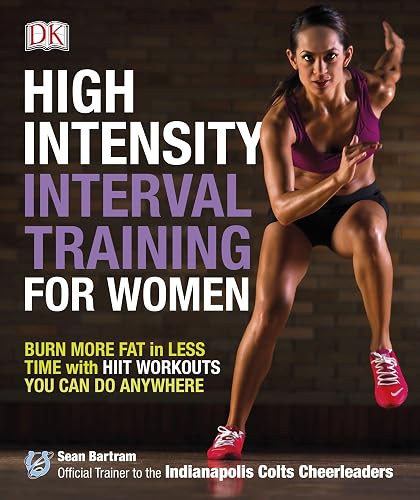
High-Intensity Interval Training for Women: Burn More Fat in Less Time with HIIT Workouts You Can Do Anywhere
Best for: Women who want time-efficient workouts that need little or no equipment.
The title centers on short, portable sessions aimed at women looking to fit training into busy schedules. Owners of similar titles often note that the no-equipment format makes it easy to start at home.
Key specs
- Subject: HIIT workouts for women
- Format: workouts designed to be done anywhere
Pros
- Designed for limited time and space
- Minimal equipment needed
- Clear focus on the stated goal
Cons
- Fat-loss framing may not suit every goal
- Limited detail on running-specific intervals
Bottom line: A practical choice for women who want a routine they can do at home or while traveling.
Ultimate Guide to HIIT: High-Intensity Interval Training

Ultimate Guide to HIIT: High-Intensity Interval Training
Best for: Readers who want a single reference covering several formats and structures.
This guide is meant to be kept on the shelf and returned to. It works well for people who switch between running, cycling, bodyweight, and circuit intervals and want one place to check structure and options.
Key specs
- Subject: HIIT overview and formats
- Focus: structure and reference use
Pros
- Broad coverage of interval formats
- Useful as a long-term reference
- Organized for quick lookup
Cons
- Breadth can mean less depth on any one method
- May repeat basics for advanced readers
Bottom line: The right fit for someone who wants a broad, structured reference rather than a single program.
Hiit: The 20-Minute Dream Body with High Intensity Interval Training

Hiit: The 20-Minute Dream Body with High Intensity Interval Training
Best for: Busy readers who want short, focused sessions.
The emphasis on 20-minute workouts makes this a natural fit for readers with tight schedules. Owners of books in this style often report that the time commitment is what keeps them consistent.
Key specs
- Subject: 20-minute interval workouts
- Format: short sessions built around HIIT
Pros
- Sessions fit into short time windows
- Simple to start
- Clear, repeatable structure
Cons
- Short sessions may not suit endurance goals
- Less programming detail for advanced users
Bottom line: A good choice for busy readers who want quick, repeatable workouts and a budget-friendly starting point.
Buying Guide
Check the author’s background and approach
Interval training books range from research-oriented texts to motivational workout collections. Look at what the author claims to cover and whether the explanations include reasoning, not just exercise lists. A book that explains why a work-to-rest ratio is chosen gives you more to work with than one that only lists moves.
Good picks for this: Science and Application of High Intensity Interval Training, Ultimate Guide to HIIT
Match the book to your main goal
Running, strength, fat loss, and general fitness each call for different interval structures. A book aimed at lifters will not give you the same guidance as one aimed at runners. Pick the subject that matches what you actually want to improve.
Good picks for this: High-Intensity Training the Mike Mentzer Way, High-Intensity Interval Training for Women
Consider your experience level
Beginners benefit from plain explanations and safe progressions. Experienced trainees often want programming logic and periodization. Choosing a book well above or below your level leads to frustration.
Good picks for this: HIIT – High Intensity Interval Training Explained, Science and Application of High Intensity Interval Training
Look at session length and time commitment
Some books center on short workouts of around 20 minutes, while others assume longer sessions. If your schedule is limited, check whether the sample workouts fit the time you have. Consistency usually matters more than session length.
Good picks for this: Hiit: The 20-Minute Dream Body with High Intensity Interval Training, High-Intensity Interval Training for Women
Check equipment requirements
Some interval programs need weights, bikes, or a track, while others rely on bodyweight. Read the description to see what gear is assumed. Books that work with no equipment are easier to start at home.
Good picks for this: High-Intensity Interval Training for Women, Ultimate Guide to HIIT
Assess how the book is organized
A good reference should be easy to navigate. Look for clear chapter structure, labeled workouts, and an index or table of contents. A book you can scan quickly is more useful when you need to check a detail mid-training.
Good picks for this: Ultimate Guide to HIIT, Science and Application of High Intensity Interval Training
Think about safety and medical context
Intense interval work is demanding, and not every reader is ready for it. If you have a heart condition, joint problems, or have been inactive for a long time, speak with a doctor or qualified professional before starting any high-intensity program.
Good picks for this: HIIT – High Intensity Interval Training Explained, Hiit: The 20-Minute Dream Body with High Intensity Interval Training
FAQ
What is japanese high intensity interval training?
The phrase is usually used to describe interval-based training methods associated with Japanese coaching traditions, though it is not a single standardized protocol. In practice, most readers searching this term are looking for the general principle: alternating short, hard efforts with recovery periods.
Do I need a book to start interval training?
No. Many people begin with simple structured workouts and add reading later. A book becomes more valuable once you want to understand programming, progression, or how to adapt sessions to your own goals.
Which type of book is best for beginners?
Beginners usually benefit from plain-language overviews that explain terms like work interval, rest interval, and perceived effort. Start with an introductory title, then move to programming-focused texts as you gain experience.
Can interval training books replace a coach?
Books can teach principles and sample workouts, but they cannot observe your form or adjust for injuries. A qualified coach or exercise professional is valuable, especially when you are starting or returning from a break.
How often should I do high-intensity intervals?
Many programs suggest limiting intense sessions to a few times per week with rest days between them. Recovery needs vary by person, so monitor fatigue and sleep. Consult a professional if you are unsure how much training is right for you.
Is interval training safe for everyone?
Not necessarily. High-intensity work carries more risk for people with heart, joint, or other medical conditions. Get medical clearance before starting, and build intensity gradually regardless of your background.
Conclusion
For a deep understanding of programming, Science and Application of High Intensity Interval Training is the strongest match. Beginners will get the most from HIIT – High Intensity Interval Training Explained, while readers focused on women’s fat-loss workouts may prefer High-Intensity Interval Training for Women. Strength-oriented lifters can look at the Mike Mentzer title, busy readers may favor the 20-minute book, and anyone wanting a long-term reference will find Ultimate Guide to HIIT useful. Match the book to your goal, experience, and schedule, and check with a qualified professional before starting intense training.
Sources
- Physical activity guidelines and how much moderate and vigorous activity adults need each week (cdc.gov)
- Position statements and guidance on exercise prescription and intensity for healthy adults (acsm.org)
- Research summaries on interval training and its effects on fitness and health (nih.gov)
Before you buy: helpful guides
- High Intensity Interval Training Spinning: A Step-by-Step Guide for Beginners
- High Intensity Interval Training HIIT at Home: A Step-by-Step Guide
- High Intensity Interval Training 7 Minutes: A Step-by-Step Guide
- High Intensity Interval Training Timer App: A Practical Guide (2026)
- High Intensity Interval Training Workout Youtube: A Practical Guide (2026)
Related reading
About Owen Palmer
Owen Palmer is part of our editorial team and reviews and edits our speed & interval running guides, checking product details against manufacturer specifications and owner feedback.