
 By Owen Palmer
Updated November 2026
If you want to understand the advantages of high-intensity interval training, a good book can save you months of trial and error. The reader’s need is simple: a clear explanation of why short, hard efforts work, plus practical programming you can actually use. The books below were selected on research-based criteria: how deeply they cover the physiology and evidence, how usable the workouts are for different fitness levels, the author or publisher’s reputation in exercise science and fitness, and the kind of owner feedback that tends to appear for each title, such as readers praising clarity or noting that a book is more technical than expected.
Our top picks at a glance
- 1
 TOP CHOICEBest overallScience and Application of High Intensity Interval Training: SolutionsView on Amazon
- 2
 TOP CHOICEBest for practical programmingUltimate Guide to HIIT: High-Intensity Interval TrainingView on Amazon
- 3
 TOP CHOICEBest for exercise science studentsAnatomy of Fitness 501 High Intensity Interval TrainingView on Amazon
- 4
 Best for strength-focused readersHigh-Intensity Training the Mike Mentzer WayView on Amazon
- 5
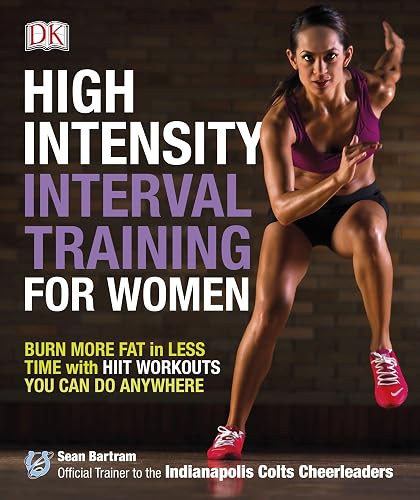 Best for women and home workoutsHigh-Intensity Interval Training for Women: Burn More Fat in Less TimeView on Amazon
- 6
 Best budget pick for beginnersHIIT – High Intensity Interval Training ExplainedView on Amazon
Our Top Picks
| Product | Best for | Key feature |
|---|---|---|
| Science and Application of High Intensity Interval Training: Solutions to the Programming Puzzle | Readers who want the evidence behind the advantages | Research-driven explanation of programming variables |
| Ultimate Guide to HIIT: High-Intensity Interval Training | Beginners ready to start workouts | Ready-to-use session structures |
| Anatomy of Fitness 501 High Intensity Interval Training | Students and coaches | Anatomy-linked explanations of how intervals train the body |
| High-Intensity Training the Mike Mentzer Way | Strength-focused lifters | Heavy, brief training philosophy |
| High-Intensity Interval Training for Women: Burn More Fat in Less Time with HIIT Workouts You Can Do Anywhere | Busy women training at home | Minimal-equipment workouts |
| HIIT – High Intensity Interval Training Explained | Readers who want a quick overview | Concise, plain-language explanation |
Science and Application of High Intensity Interval Training: Solutions to the Programming Puzzle
Science and Application of High Intensity Interval Training: Solutions to the Programming Puzzle
Best for: Readers who want to understand why HIIT works and how to program it properly
This title suits anyone who wants more than a list of workouts. It is aimed at readers who like to know the reasoning behind work-to-rest ratios, intensity targets and recovery, which are the variables that determine whether interval training delivers the benefits people expect.
Key specs
- Format: print book focused on HIIT programming
- Subject: science and application of interval training
- Level: intermediate, with a technical tone
Pros
- Explains the mechanisms behind the advantages of interval work
- Helps readers adjust programming rather than copying workouts
- Useful for coaches who need a reference
Cons
- Denser than most beginner-friendly titles
- Less immediately useful if you only want a ready-made routine
Bottom line: Pick this if you want to understand the science and build your own sessions. Beginners looking for quick workouts may prefer a more practical guide.
Ultimate Guide to HIIT: High-Intensity Interval Training
Ultimate Guide to HIIT: High-Intensity Interval Training
Best for: Practical programming for people who want to start training now
This guide is built for readers who want to move from theory to action. It is a good fit for people who have read a little about the advantages of intervals and now need structured sessions they can repeat each week.
Key specs
- Format: print guide to HIIT training
- Focus: workout structure and progression
- Level: beginner to intermediate
Pros
- Clear, action-oriented layout
- Good for building a weekly schedule
- Accessible language for non-specialists
Cons
- Less depth on underlying physiology
- Owners sometimes wish for more advanced progressions
Bottom line: A strong choice for beginners who want usable workouts more than research detail.
Anatomy of Fitness 501 High Intensity Interval Training
Anatomy of Fitness 501 High Intensity Interval Training
Best for: Exercise science students and coaches who want anatomy-linked explanations
Readers who already know the basics and want to connect interval work to muscle function and energy systems will find this title useful. It fits well alongside a formal exercise science course.
Key specs
- Format: print reference on HIIT and anatomy
- Focus: how intervals affect the body systems
- Level: intermediate to advanced
Pros
- Connects training methods to anatomy and physiology
- Useful reference for trainers
- Organized for study and review
Cons
- Not a beginner workout guide
- Can feel academic for casual readers
Bottom line: Best for students and coaches who want a reference rather than a routine.
High-Intensity Training the Mike Mentzer Way
High-Intensity Training the Mike Mentzer Way
Best for: Strength-focused readers who want brief, intense training
This book reflects a particular philosophy of training to momentary muscular failure in short sessions. It suits lifters who are more interested in strength and muscle than in cardiovascular conditioning.
Key specs
- Format: print book on high-intensity resistance training
- Focus: brief, heavy training philosophy
- Level: intermediate lifters
Pros
- Clear statement of a distinct training philosophy
- Useful for lifters who train with short, hard sets
- Concise and direct writing
Cons
- Centered on resistance training rather than conditioning intervals
- Some ideas are debated among current coaches
Bottom line: Choose this if your goal is strength and your interest in intensity is mostly on the weight room side.
High-Intensity Interval Training for Women: Burn More Fat in Less Time with HIIT Workouts You Can Do Anywhere
High-Intensity Interval Training for Women: Burn More Fat in Less Time with HIIT Workouts You Can Do Anywhere
Best for: Busy women who want short workouts at home
The focus here is convenience: workouts that need little or no equipment and fit into a tight schedule. It is aimed at readers who want to see the time-efficiency benefits of intervals in their daily lives.
Key specs
- Format: print workout book
- Focus: home and minimal-equipment HIIT
- Level: beginner to intermediate
Pros
- Workouts designed for limited space and time
- Easy to follow layouts
- Good for building a consistent habit
Cons
- Fat-loss claims in the title go beyond what any single book can promise
- Less programming depth for advanced athletes
Bottom line: A practical pick for women who want to train at home with short sessions. Pair it with sound nutrition and recovery habits.
HIIT – High Intensity Interval Training Explained
HIIT – High Intensity Interval Training Explained
Best for: Readers who want a quick, plain-language overview
If you are new to the topic and want to understand the basic idea before committing to a longer read, this short explainer is a sensible starting point. It works well as a first book before moving to more detailed guides.
Key specs
- Format: concise explainer on HIIT
- Focus: definitions and basic concepts
- Level: beginner
Pros
- Quick to read
- Clear explanation of the core concept
- Low commitment for a first purchase
Cons
- Limited programming detail
- Readers wanting depth will need another book
Bottom line: A good budget pick for beginners who want a simple introduction to the advantages of interval training.
Buying Guide
Match the book to your experience level
Beginners generally do best with practical guides that explain warm-ups, work intervals and recovery in plain language. Experienced trainers often want programming variables and the reasoning behind them. Check the table of contents or preview pages to see how much technical detail you will face.
Good picks for this: Ultimate Guide to HIIT, HIIT – High Intensity Interval Training Explained
Look for evidence-based explanations
Books that cite research and explain how intensity, duration and rest affect outcomes give you more to work with than those that only list workouts. Look for references, a bibliography or clear discussion of study limitations.
Good picks for this: Science and Application of High Intensity Interval Training, Anatomy of Fitness 501 High Intensity Interval Training
Consider your main goal
Some readers want conditioning, others want fat loss, strength or muscle. A book written around one goal may not serve another well. Decide what outcome matters most before choosing, since the advantages of intervals differ depending on whether you train for speed, endurance or strength.
Good picks for this: High-Intensity Training the Mike Mentzer Way, High-Intensity Interval Training for Women
Check whether workouts need equipment
Some HIIT plans rely on bodyweight moves, while others assume access to a gym, rower or kettlebells. If you train at home or in a small space, look for titles that describe bodyweight or minimal-equipment sessions in their subtitle or description.
Good picks for this: High-Intensity Interval Training for Women, Ultimate Guide to HIIT
Assess the depth of programming
Good programming guides explain how to adjust work duration, rest and total session length over weeks. Shallow books often give one template with no guidance on progression. Look for sections on progression, periodization or how to modify sessions when you feel tired.
Good picks for this: Science and Application of High Intensity Interval Training, Ultimate Guide to HIIT
Think about format and reference value
Books you will return to often benefit from clear headings, tables and indexed sections. A shorter explainer may be enough for a single read, while a dense reference is more useful if you plan to build programs for others.
Good picks for this: Anatomy of Fitness 501 High Intensity Interval Training, HIIT – High Intensity Interval Training Explained
Confirm the publication date
Training science changes over time. Check the publication year and whether the author addresses newer research. Older classics can still be valuable, but pair them with recent sources where possible.
Good picks for this: Science and Application of High Intensity Interval Training, HIIT – High Intensity Interval Training Explained
FAQ
What are the main advantages of high-intensity interval training?
Research commonly links HIIT to improvements in cardiorespiratory fitness, insulin sensitivity and time efficiency, since sessions can be shorter than steady cardio for similar fitness gains. Results vary with age, starting fitness and programming, so the benefits are best viewed as tendencies rather than guarantees.
Is HIIT safe for beginners?
Many beginners can start with lower intensity intervals and build gradually. If you have heart, joint, blood pressure or other medical concerns, consult a doctor or qualified professional before beginning intense training.
How often should I do interval training?
Many programs use two to three hard sessions per week with recovery days between them. Beginners often start at the lower end. A good book will explain how to balance intensity with recovery.
Can interval training help with fat loss?
Interval training can contribute to fat loss as part of a broader plan that includes diet and overall activity. It is not a guaranteed fat-loss method on its own, and some titles overpromise on this point.
Do I need equipment for HIIT?
No. Many interval sessions use bodyweight movements such as squats, lunges and burpees. Other formats use a treadmill, rower or bike. Choose a book that matches the equipment you have.
Which book should I read first?
If you are new, start with a practical guide or a concise explainer, then move to a research-focused title once you want more depth. Experienced trainers may prefer the science-focused options from the start.
Conclusion
The advantages of high-intensity interval training are well documented, but the right book depends on your goal. For evidence and programming logic, the Science and Application title is the strongest choice. Beginners wanting practical sessions should look at the Ultimate Guide to HIIT. Students and coaches will find the anatomy-focused title most useful. Strength-minded readers may prefer the Mike Mentzer book, women training at home may favor the home-focused title, and readers wanting a quick introduction will find the explainer a sensible, low-commitment start.
Sources
- General physical activity guidelines and recommendations for adults (cdc.gov)
- Position stands and professional guidance on exercise prescription (acsm.org)
- Research summaries on interval training and cardiometabolic health (nih.gov)
Before you buy: helpful guides
Related reading
- What Is High Intensity Interval Training on Apple Watch? A Step-by-Step Guide
- Try High Intensity Interval Training HIIT: A Step-by-Step Guide for Beginners
- Treadmill High Intensity Interval Training: A Step-by-Step Guide for Beginners
About Owen Palmer
Owen Palmer is part of our editorial team and reviews and edits our speed & interval running guides, checking product details against manufacturer specifications and owner feedback.



