
 By Owen Palmer
Updated November 2026
If you want four minute Tabata interval training that actually fits your schedule, the right guide can make the difference between a few random sprints and a structured plan you will stick to. Tabata work is brief and intense: 20 seconds of all-out effort, 10 seconds of rest, repeated eight times for a four-minute block. The resources below were chosen by checking manufacturer and publisher descriptions, the scope of each program, how clearly it explains intensity and progression, and the kinds of feedback owners commonly report. We did not test these products ourselves. Use this list to match a format, whether a book, a DVD or an encyclopedia, to your level and goals.
Our top picks at a glance
- 1
 TOP CHOICEBest overallTabata Workout Handbook: Achieve Maximum Fitness With Over 100 High InView on Amazon
- 2
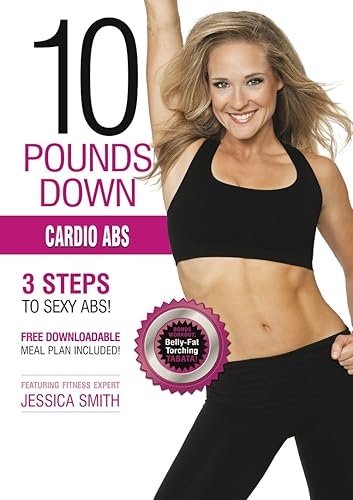 TOP CHOICEBest for home video workoutsCardio Abs DVD: HIIT Cardio Interval Training, Kickboxing, Sculpting,View on Amazon
- 3
 TOP CHOICEBest for deep referenceTHE COMPLETE ILLUSTRATED TABATA TRAINING ENCYCLOPEDIA: 100+ HIIT DrillView on Amazon
- 4
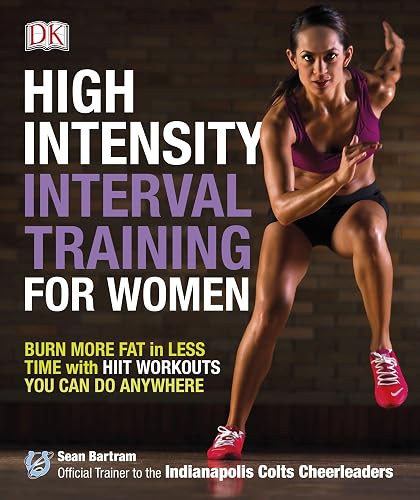 Best for beginner womenHigh-Intensity Interval Training for Women: Burn More Fat in Less TimeView on Amazon
- 5
 Best for general HIIT contextUltimate Guide to HIIT: High-Intensity Interval TrainingView on Amazon
- 6
 Best no-equipment budget pick101 No Equipment 45-Minute Workouts: Strength Training, Metabolic CircView on Amazon
- 7
 Best for explaining the scienceHIIT – High Intensity Interval Training ExplainedView on Amazon
Our Top Picks
| Product | Best for | Key feature |
|---|---|---|
| Tabata Workout Handbook | Overall Tabata programming | Over 100 HIIT workout plans |
| Cardio Abs DVD | Guided home sessions | Video instruction across several styles |
| The Complete Illustrated Tabata Training Encyclopedia | Detailed drill reference | 100+ drills and progressions |
| High-Intensity Interval Training for Women | Beginners who want accessible structure | Anywhere workouts aimed at fat loss |
| Ultimate Guide to HIIT | Understanding HIIT as a whole | Broad overview of interval formats |
| 101 No Equipment 45-Minute Workouts | Training with no gear | Strength, circuits, EMOM and Tabata |
| HIIT – High Intensity Interval Training Explained | Learning the reasoning behind intervals | Plain-language explanation of the method |
Tabata Workout Handbook: Achieve Maximum Fitness With Over 100 High Intensity Interval Training (HIIT) Workout Plans
Tabata Workout Handbook: Achieve Maximum Fitness With Over 100 High Intensity Interval Training (HIIT) Workout Plans
Best for: Overall Tabata programming
This is the most direct choice for readers who want a library of Tabata-style sessions to rotate through. It suits people who already understand the basic 20-on, 10-off rhythm and want variety without building every workout from scratch.
Key specs
- Format: print handbook
- Content: more than 100 HIIT workout plans, as stated in the title
Pros
- Large number of sessions to avoid repetition
- Useful as a plan source for several weeks
- Works without any equipment
Cons
- No video demonstration, so form must come from your own research
- Beginners may need to scale down intensity on their own
Bottom line: Pick this if you want a large catalog of Tabata workouts in one place and are comfortable reading exercise instructions.
Cardio Abs DVD: HIIT Cardio Interval Training, Kickboxing, Sculpting, Tabata, Intermediate to Advanced Level Workouts for Home Exercise
Cardio Abs DVD: HIIT Cardio Interval Training, Kickboxing, Sculpting, Tabata, Intermediate to Advanced Level Workouts for Home Exercise
Best for: Guided home sessions
Best for people who prefer following an instructor on screen. The listing positions it at intermediate to advanced levels, so it is less suited to complete beginners.
Key specs
- Format: DVD
- Level: intermediate to advanced, as stated in the title
- Styles: HIIT cardio, kickboxing, sculpting and Tabata
Pros
- Visual demonstration makes movements easier to copy
- Mixes Tabata with other interval styles
- No gym or equipment required
Cons
- Needs a DVD player or compatible device
- Advanced level may be too demanding for new exercisers
Bottom line: Choose this if you want an instructor-led home session and already have a reasonable fitness base.
THE COMPLETE ILLUSTRATED TABATA TRAINING ENCYCLOPEDIA: 100+ HIIT Drills, Progressions & Science-Backed Programs for Strength, Speed & Total-Body Conditioning
THE COMPLETE ILLUSTRATED TABATA TRAINING ENCYCLOPEDIA: 100+ HIIT Drills, Progressions & Science-Backed Programs for Strength, Speed & Total-Body Conditioning
Best for: Detailed drill reference
A good fit for readers who want to build their own four-minute blocks and need progressions for each exercise. It is more of a reference than a daily workout guide.
Key specs
- Format: illustrated reference book
- Content: more than 100 drills and progressions, per the title
Pros
- Progressions help you move up or down in difficulty
- Covers strength, speed and total-body conditioning
- Good for coaches and self-directed trainees
Cons
- Can feel dense if you only want a simple schedule
- Limited value for readers who prefer video
Bottom line: Best for people who want to design their own Tabata sessions and understand the exercises behind them.
High-Intensity Interval Training for Women: Burn More Fat in Less Time with HIIT Workouts You Can Do Anywhere
High-Intensity Interval Training for Women: Burn More Fat in Less Time with HIIT Workouts You Can Do Anywhere
Best for: Beginner women
Written for women who want efficient workouts that fit into a busy schedule. The “anywhere” framing suits people training at home, in a hotel or outdoors.
Key specs
- Format: print book
- Focus: fat-loss-oriented HIIT workouts, per the title
Pros
- Approachable tone for newcomers
- Workouts designed to be done without equipment
- Time-efficient framing
Cons
- Fat-loss claims should be read with realistic expectations
- Less depth on Tabata specifically than dedicated Tabata books
Bottom line: A sensible starting point for beginners who want simple, portable interval sessions.
Ultimate Guide to HIIT: High-Intensity Interval Training
Ultimate Guide to HIIT: High-Intensity Interval Training
Best for: Understanding HIIT as a whole
This book places Tabata within the wider world of high-intensity interval training. It helps readers see where four-minute work fits among other interval formats.
Key specs
- Format: print guide
- Scope: general HIIT principles and formats
Pros
- Clear big-picture overview of interval design
- Useful background for building your own sessions
- Applies to many training goals
Cons
- Not focused exclusively on Tabata
- Fewer ready-to-run four-minute sessions
Bottom line: Choose this if you want context on HIIT before committing to one specific format.
101 No Equipment 45-Minute Workouts: Strength Training, Metabolic Circuits, EMOM, and Tabata at Home
101 No Equipment 45-Minute Workouts: Strength Training, Metabolic Circuits, EMOM, and Tabata at Home
Best for: Training with no gear
Ideal for people who want a range of formats, including Tabata, that require no equipment. The 45-minute framing is longer than a single four-minute block, so Tabata here is one component within larger sessions.
Key specs
- Format: workout book
- Content: 101 workouts, per the title
- Formats covered: strength, metabolic circuits, EMOM and Tabata
Pros
- Plenty of variety across training styles
- Requires nothing beyond floor space
- Good for mixing Tabata with strength work
Cons
- Tabata is not the sole focus
- 45-minute sessions may be more than you want for a quick four-minute block
Bottom line: A strong pick for home trainers who want a broad menu of no-equipment workouts.
HIIT – High Intensity Interval Training Explained
HIIT – High Intensity Interval Training Explained
Best for: Explaining the science
Suited to readers who want to understand why short, hard intervals work before they follow a plan. It is more explanatory than programmatic.
Key specs
- Format: print book
- Focus: explanation of HIIT methods
Pros
- Helpful for understanding intensity and recovery
- Clarifies the reasoning behind interval structure
- Useful before starting any Tabata program
Cons
- Light on ready-made workouts
- Pair it with a workout source for daily use
Bottom line: Pick this if you prefer to learn the theory first and then choose or build sessions yourself.
Buying Guide
Decide between book, DVD and reference format
Books work well for reading ahead and printing workout plans. DVDs show movement quality, which matters for fast, full-body efforts. Reference encyclopedias suit people who want to dig into progressions. Match the format to how you learn.
Good picks for this: Cardio Abs DVD, Tabata Workout Handbook
Check the level of the programming
Look for a stated level in the title or description. A program built for advanced athletes may ask for sprint speeds a beginner cannot hold for 20 seconds. If a resource says it is for intermediate or advanced users, expect higher difficulty.
Good picks for this: High-Intensity Interval Training for Women, Ultimate Guide to HIIT
Confirm the workout length and structure
A classic Tabata block is eight rounds of 20 seconds on and 10 seconds off, lasting four minutes. Some books offer longer sessions that include Tabata as one component. Check whether the content is a single block or a full workout before you buy.
Good picks for this: 101 No Equipment 45-Minute Workouts, Tabata Workout Handbook
Look for progressions and modifications
Good resources show how to scale an exercise up or down. This helps you keep the 20-second effort hard without losing form. Progressions also let you grow your fitness over several months.
Good picks for this: The Complete Illustrated Tabata Training Encyclopedia
Consider the equipment you have
Many Tabata workouts use only bodyweight, but some specify dumbbells, kettlebells or a jump rope. If you want truly no-equipment training, check the content list before purchasing.
Good picks for this: 101 No Equipment 45-Minute Workouts, High-Intensity Interval Training for Women
Assess the depth of explanation
Some readers want the reasoning behind intervals, including how work and rest ratios affect the stress placed on the body. Explanatory books answer those questions. If you only want a list of sessions, a workout-focused book may serve you better.
Good picks for this: HIIT – High Intensity Interval Training Explained, Ultimate Guide to HIIT
Think about safety and recovery
Maximal efforts are demanding on the cardiovascular and musculoskeletal systems. Build up gradually, warm up properly, and allow rest days between hard sessions. If you have a heart condition, joint problems, high blood pressure or have been inactive, consult a doctor or qualified exercise professional before starting any high-intensity program.
Good picks for this: High-Intensity Interval Training for Women, Tabata Workout Handbook
FAQ
How long is a four minute Tabata interval training session?
A standard Tabata block lasts four minutes: eight rounds of 20 seconds of maximum effort followed by 10 seconds of rest. Many people add a warm-up and cool-down, which brings the total time closer to 15 to 20 minutes.
Is Tabata the same as HIIT?
Tabata is a specific type of high-intensity interval training with a fixed 20-second work and 10-second rest ratio. HIIT is a broader category that includes many different work and rest patterns.
How hard should each 20-second interval feel?
Each work interval should be close to maximal effort, so that you could not sustain it for much longer. The rest period is short, so the second half of the block is typically much harder than the first.
How often should I do four minute Tabata workouts?
Many beginners start with two or three sessions per week and allow at least one rest day between hard efforts. Adjust based on how well you recover. The exact frequency should be tailored to your fitness level, and a qualified coach or doctor can advise you if you have health concerns.
Can beginners do Tabata training?
Beginners can use modified exercises, lower intensity or fewer rounds to start. Resources labeled for beginners are a safer starting point than advanced DVDs or encyclopedias. Consult a professional if you have any medical conditions.
Do I need equipment for Tabata?
No. Bodyweight exercises such as squats, push-ups, lunges and mountain climbers work well. Some programs add dumbbells, jump ropes or kettlebells for variety.
Which Tabata resource is best for a complete beginner?
A beginner-oriented book such as High-Intensity Interval Training for Women is a practical starting point. Pair it with an explanatory guide to learn the reasoning behind intervals.
Conclusion
For a broad library of Tabata sessions, the Tabata Workout Handbook is the most direct choice. Choose the Cardio Abs DVD if you want guided home video and already have some fitness. The Complete Illustrated Tabata Training Encyclopedia suits anyone designing their own blocks, while High-Intensity Interval Training for Women is a welcoming option for beginners. Readers who need no-equipment variety should consider 101 No Equipment 45-Minute Workouts, and those who want the science first will find HIIT – High Intensity Interval Training Explained useful. Match the resource to your level, your equipment and how you learn, and start conservatively.
Sources
- Physical activity guidelines and how much moderate and vigorous exercise adults need each week (cdc.gov)
- Evidence-based exercise guidelines, intensity definitions and safety screening from the American College of Sports Medicine (acsm.org)
- Research summaries on high-intensity interval training and its health effects (nih.gov)
Before you buy: helpful guides
Related reading
- Interval Training Exercises at Home: 7 Moves and a 20-Minute Session
- High Intensity Interval Training Tabata: A Step-by-Step Guide for Beginners
- 6 Best 30 Minute High Intensity Interval Training Books for Every Level (2026)
- 5 Best Interval Training Running 30 Minutes Workouts for Faster Runs (2026)
About Owen Palmer
Owen Palmer is part of our editorial team and reviews and edits our speed & interval running guides, checking product details against manufacturer specifications and owner feedback.




