
 By Owen Palmer
Updated November 2026
Interval training for endurance running works best when the workouts are structured, progressive and matched to your current fitness. This list compares six books that cover interval design, endurance building and race preparation. We picked them on how clearly they explain the training logic, how many usable sessions they include, whether they suit beginners or advanced runners, and how well owner feedback describes their practical value.
Best overall: The Interval Training Manual – View on Amazon
Best for fueling: The Endurance Training Diet & Cookbook – View on Amazon
Best for strength work: Strength Training for Runners – View on Amazon
Best for high-intensity intervals: Maximum Interval Training – View on Amazon
Best for hybrid race prep: HYROX Training Blueprint — Race Ready System – View on Amazon
Best for trail and hiking endurance: The Complete Guide to Training, Strength, Endurance, and Trail Readiness – View on Amazon
Our Top Picks
| Product | Best for | Key feature |
|---|---|---|
| The Interval Training Manual | Overall interval variety | 520+ interval running workouts |
| The Endurance Training Diet & Cookbook | Fueling around training | Nutrition timing for runners |
| Strength Training for Runners | Building durability | Science-based strength routines |
| Maximum Interval Training | High-intensity intervals | Short, hard interval structure |
| HYROX Training Blueprint | Hybrid race preparation | Race-specific training system |
| Complete Guide to Training, Strength, Endurance, and Trail Readiness | Trail and hiking endurance | Hiking-focused fitness program |
The Interval Training Manual

The Interval Training Manual: 520+ Interval Running Workouts for All Sports And Abilities
Best for: Overall interval variety
This book suits runners who want a large library of sessions they can rotate through over a season, from beginners to experienced athletes.
Pros
- Over 520 interval running workouts
- Covers multiple sports and ability levels
Cons
- Volume can feel overwhelming without a plan
The Endurance Training Diet & Cookbook

The Endurance Training Diet & Cookbook: The How, When, and What for Fueling Runners and Triathletes to Improve Performance
Best for: Fueling around training
Runners who struggle to recover between hard sessions will get the most from its timing and fueling guidance.
Pros
- Clear guidance on when to eat around workouts
- Recipes suited to endurance athletes
Cons
- Less focused on running technique
Strength Training for Runners

Strength Training for Runners: The Science-Based Guide to Running Faster, Building Strength, and Lasting Longer
Best for: Building durability
This suits runners whose interval gains are limited by calf, hip or core weakness rather than by aerobic fitness. Worth reading next: Long Interval Training Running: 5 Best Books and Plans Compared.
Pros
- Explains the research behind strength for running economy
- Routines that fit alongside run training
Cons
- Requires gym or home equipment for some exercises
Maximum Interval Training

Maximum Interval Training
Best for: High-intensity intervals
Runners comfortable with hard efforts who want short, intense intervals to raise their top-end speed will find it useful. We also found Top 6 Outdoor Running Interval Training Books Worth Reading in 2026 useful on this point.
Pros
- Focused on intensity and interval structure
- Practical for time-limited training
Cons
- Intensity may be too much for new runners
HYROX Training Blueprint — Race Ready System

HYROX Training Blueprint — Race Ready System: The Complete Beginner-to-Advanced System to Build Strength, Endurance & Peak Race Performance — … Running Programs & Performance Tracking Logs
Best for: Hybrid race preparation
Athletes training for mixed running and functional fitness events will benefit from its race-specific structure and tracking logs.
Pros
- Progresses from beginner to advanced
- Includes performance tracking logs
Cons
- Built around one race format, so less general
The Complete Guide to Training, Strength, Endurance, and Trail Readiness
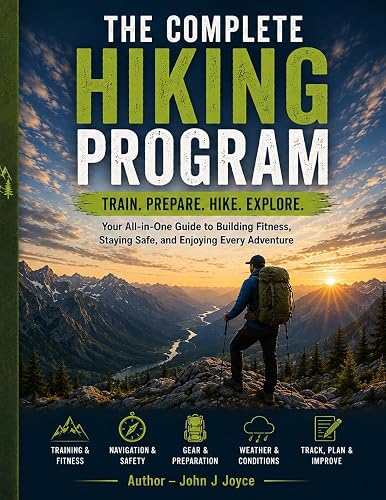
The Complete Guide to Training, Strength, Endurance, and Trail Readiness: The Complete Hiking Program: The Ultimate Guide to Hiking Fitness, … Ultimate Sports Performance Training Series)
Best for: Trail and hiking endurance
Runners preparing for trail races or long hikes who want endurance work that goes beyond road speed sessions will find it relevant.
Pros
- Covers endurance and terrain-specific readiness
- Part of a structured sports performance series
Cons
- Less focused on road track speed work
Buying Guide
Match the book to your current level
Beginners usually need guidance on rest days and pacing, while experienced runners want sharper, more demanding sessions. Check the table of contents for workouts that match your weekly mileage.
Decide between general workouts and race-specific plans
A general interval library suits runners building fitness across several goals. A race-specific plan is better if you have a defined event and date.
Consider whether you need nutrition or strength guidance
Some runners stall because of recovery or fueling, not training quality. A book that addresses those areas can complement your interval work.
Check how much structure the book provides
Look for weekly progressions and clear pace or effort targets. Books with fewer instructions may leave you to design your own progression.
Good picks for this: The Interval Training Manual, Maximum Interval Training
FAQ
Do I need a book to start interval training for endurance running?
No, but a structured book can help you avoid guessing at distances, rest periods and intensity. Many runners start with simple workouts and add more detail as they progress.
How often should I do interval sessions each week?
Most runners do one or two interval sessions per week, separated by easy running days. Beginners should start with one session and increase gradually.
Related reading
- Interval vs Endurance Running: 4 Best Training Books for Runners (2026)
- What Is Run Interval Training? A Beginner's Guide to Faster Running
- What Is Interval Training Running? A Beginner's Guide to Faster Splits
- What Are Interval Training Workouts? A Beginner's Guide to Faster Running
About Owen Palmer
Owen Palmer is part of our editorial team and reviews and edits our speed & interval running guides, checking product details against manufacturer specifications and owner feedback.
