 By Miles Sinclair
Updated November 2026
Tempo run workout ideas are most useful when they give you clear structure, realistic paces and a way to build endurance at a sustained, comfortably hard effort. The picks below were chosen by reviewing product listings, publisher descriptions, brand reputation and common owner feedback patterns. We selected books and guides that include structured tempo sessions, pacing guidance and progression over time, and we weighed how well each suits beginners versus experienced runners.
Our top picks at a glance
- 1
 TOP CHOICEBest overallRun Workouts for Runners and TriathletesView on Amazon
- 2
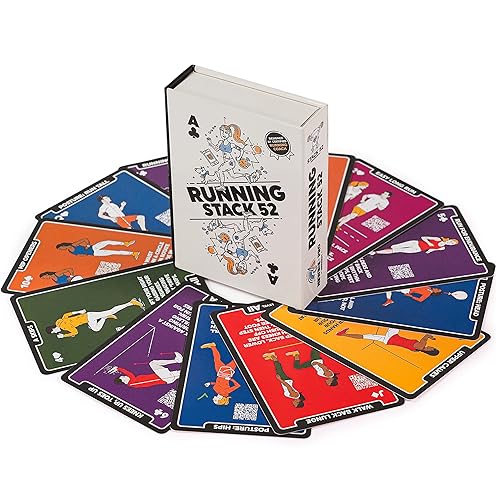 TOP CHOICEBest for card-based trainingStack 52 Running Drill, Exercise, and Workout CardsView on Amazon
- 3
 TOP CHOICEBest for 5K race prepRunning 5k: A Training Guide, the Little Book of WorkoutsView on Amazon
- 4
 Best for tracking strength alongside runningStrength Training Journal for RunnersView on Amazon
- 5
 Best for time-limited trainingOne-Hour Workouts: 50 Swim, Bike & Run WorkoutsView on Amazon
Our Top Picks
Quick Comparison
| Product | Best for | Key feature |
|---|---|---|
| Run Workouts for Runners and Triathletes | Structured tempo plans | Organized workout library |
| Stack 52 Running Drill, Exercise, and Workout Cards | Flexible session variety | 52 portable workout cards |
| Running 5k: A Training Guide | 5K race preparation | Focused 5K session plans |
| Strength Training Journal for Runners | Logging strength and recovery | Weekly progress tracking pages |
| One-Hour Workouts | Busy schedules | Sessions under one hour |
Run Workouts for Runners and Triathletes
Run Workouts for Runners and Triathletes (Workouts in a Binder Series)
Best for: Structured tempo plans
This is a strong starting point for runners who want a large library of workouts organized by goal, with tempo sessions clearly described. It suits intermediate runners who already know their approximate threshold pace.
Pros
- Clear workout structure with defined intensities
- Covers a range of distances and fitness levels
Cons
- Less guidance for complete beginners
Stack 52 Running Drill, Exercise, and Workout Cards
Designed by Certified Coach. Video Instruction Included. Beginner to Advanced. Run Faster and Further with Less Effort. Stack 52 Running Drill, Exercise, and Workout Cards
Best for: Flexible session variety
Runners who get bored with the same tempo run each week will appreciate a deck of cards they can shuffle through. It fits coaches and runners who like to mix drills with sustained-effort blocks.
Pros
- Portable format for home or the track
- Includes video instruction for many drills
Cons
- Cards cover drills broadly, so tempo detail is limited
Running 5k: A Training Guide, the Little Book of Workouts
Running 5k: A Training Guide, the Little Book of Workouts: All the workout sessions you need to run a fast 5km race.
Best for: 5K race preparation
Runners aiming to sharpen their 5K time will find sessions that build threshold speed without overreaching. It works well for those in the middle of a race-focused training block.
Pros
- Compact format that is easy to follow on a run
- Session plans aimed directly at 5K goals
Cons
- Limited coverage beyond the 5K distance
Strength Training Journal for Runners
Strength Training Journal for Runners: Track Strength Workouts, Body Focus, Recovery & Weekly Progress to Run Better
Best for: Logging strength and recovery
This journal is for runners who want to track how strength work supports their tempo sessions and recovery. It suits anyone building a complete training log rather than only pace data.
Pros
- Dedicated pages for weekly progress and recovery notes
- Helpful for spotting fatigue patterns across weeks
Cons
- Focused on strength rather than run pacing
One-Hour Workouts: 50 Swim, Bike & Run Workouts
One-Hour Workouts: 50 Swim, Bike & Run Workouts for Busy Athletes
Best for: Time-limited training
Runners who train around work or family schedules can use these sessions to fit threshold efforts into a single hour. It is also useful for multisport athletes adding running to a broader plan.
Pros
- Sessions are built to fit within one hour
- Covers swim, bike and run in one resource
Cons
- Run-specific tempo detail is spread across a larger book
Buying Guide
Workout structure and progression
Look for sessions that state a target pace or effort and a clear warm-up and cool-down. A tempo run usually runs at about 20 to 30 minutes at comfortably hard effort, so check that the workouts build toward that length gradually.
Pace guidance
Good guides explain how to find your threshold pace, through a race result or a field test. Relative effort descriptions help when you do not yet have reliable pace data. For a deeper look, see What Is a Tempo Threshold Run? A Guide to Pace, Structure and Benefits.
Format and portability
Books and card decks are easy to use on the track, while journals suit runners who log everything. Consider where you will actually read or refer to the plan during a session.
Good picks for this: Run Workouts for Runners and Triathletes, Stack 52 Running Drill, Exercise, and Workout Cards
Experience level
Beginners benefit from guides that explain effort and recovery in plain language. Experienced runners may want denser session libraries with more intensity options.
Good picks for this: Running 5k: A Training Guide, One-Hour Workouts: 50 Swim, Bike & Run Workouts
FAQ
How long should a tempo run be?
Most tempo runs last about 20 to 30 minutes of continuous effort after a proper warm-up. Beginners often start closer to 10 to 15 minutes and build up over several weeks.
Related reading
- Tempo Run Timing and Events: How to Schedule Your Threshold Workout (2026)
- Tempo Run App Android: How to Pick One and Run Better Threshold Workouts
- Fartlek Workout for 5K vs Tempo Runs: Which Should You Choose?
- Tempo vs Interval Run (2026): Which Is Better for Your 5K Speed?
About Miles Sinclair
Miles Sinclair is part of our editorial team and reviews and edits our speed & interval running guides, checking product details against manufacturer specifications and owner feedback.