 By Owen Palmer
Updated November 2026
Interval training for triathlon works best when you can see the plan, track the splits and understand why each set exists. Many age-group athletes already have a rough idea of their weekly structure but struggle to keep track of threshold reps, brick sessions and recovery days across three sports. This list focuses on books and training logs that help with that job. The selection criteria were specification clarity, brand and author reputation in endurance coaching, and the kinds of feedback owners commonly report, such as whether the layout holds up through a full build phase. None of these picks were tested by us; the ranking reflects research into what each product offers and who it tends to serve.
Our top picks at a glance
- 1
 TOP CHOICEBest overallThe Triathlete's Training Bible, 5th EditionView on Amazon
- 2
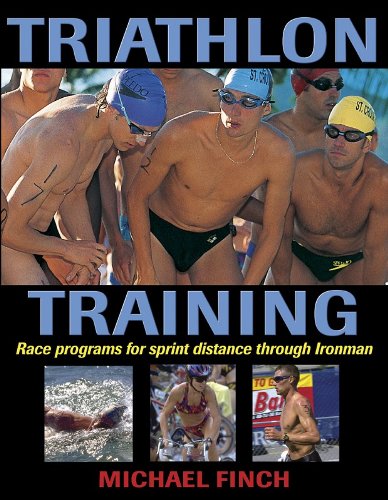 TOP CHOICEBest for sprint and Olympic distanceTriathlon TrainingView on Amazon
- 3
 TOP CHOICEBest for data-driven athletesTriathlon 2.0: Data-Driven Performance TrainingView on Amazon
- 4
 Best for tracking races and splitsTriathlon Training Log BookView on Amazon
- 5
 Best for bike-focused intervalsInterval Training for Cycling: From lab to racesView on Amazon
Our Top Picks
Quick Comparison
| Product | Best for | Key feature |
|---|---|---|
| The Triathlete’s Training Bible, 5th Edition | Athletes wanting a full reference | Broad coverage of periodization and intervals |
| Triathlon Training | Sprint and Olympic distance racers | Shorter, focused structure |
| Triathlon 2.0: Data-Driven Performance Training | Athletes who use power and heart rate data | Metrics-based workout design |
| Triathlon Training Log Book | Daily tracking and race review | Splits, nutrition and weekly summaries |
| Interval Training for Cycling: From lab to races | Cyclists building the bike leg | Interval design for the bike split |
The Triathlete’s Training Bible, 5th Edition
The Triathlete's Training Bible: The World's Most Comprehensive Training Guide, 5th Edition
Best for: A complete reference covering interval training across all three disciplines
This is a large, comprehensive guide aimed at athletes who want to understand the reasoning behind their workouts, not just copy sessions. It suits athletes at intermediate and advanced levels who plan their own seasons and want a single source to return to.
Key specs:
- Fifth edition, as named in the listing
- Covers swim, bike and run training plus integrated workouts
Pros
- Thorough explanation of how intensity zones connect to race goals
- Useful for building a season plan around A-race timing
- Owners often report it serves as a long-term reference across several seasons
Cons
- Its size can make it slow to navigate mid-workout
- Beginners may find the depth more than they need at first
Bottom line: Pick this if you want one comprehensive book to guide your interval planning for the whole season.
Triathlon Training
Triathlon Training
Best for: Sprint and Olympic distance athletes who want focused, practical workouts
This title suits athletes preparing for shorter races who want a clear, concise approach to speed and interval work. It is a sensible starting point for someone moving from recreational training into structured sessions.
Key specs:
- Print book format, as indicated by the listing
- Organized around swim, bike and run training blocks
Pros
- Shorter, easier to scan before a session
- Good fit for sprint and Olympic distance preparation
- Owners often report clear, direct workout descriptions
Cons
- Less depth for half-distance and full-distance planning
- Limited detail on advanced power-based intervals
Bottom line: A good choice for newer triathletes targeting shorter races who want practical, no-nonsense sessions.
Triathlon 2.0: Data-Driven Performance Training
Triathlon 2.0: Data-Driven Performance Training
Best for: Athletes who train with power meters, heart rate monitors and performance data
This book is written for athletes who already track metrics and want to understand how to use that data to shape intervals. It suits people comfortable with terms like threshold power and training stress, and who want a framework rather than a fixed plan.
Key specs:
- Focused on data-driven training methods
- Covers how to interpret performance metrics for workout design
Pros
- Explains the reasoning behind intensity targets
- Helpful for adjusting intervals to measured fitness changes
- Owners often report it changed how they read their training files
Cons
- Assumes some familiarity with power and heart rate concepts
- Less useful if you do not own a power meter or heart rate strap
Bottom line: Best for data-minded triathletes who want to connect their numbers directly to their interval sessions.
Triathlon Training Log Book
Triathlon Training Log Book: Daily Swim, Bike and Run Planner with Nutrition Tracking, Race Day Splits and Weekly Summaries for Sprint, Olympic, 70.3 and Ironman Athletes
Best for: Logging interval sessions, splits and race results over a full season
A planner rather than a coaching book, this suits athletes who want to record every swim, bike and run and review their progress. It covers sprint, Olympic, 70.3 and Ironman distances, so it works across race goals.
Key specs:
- Daily swim, bike and run planning pages
- Includes nutrition tracking, race day splits and weekly summaries
Pros
- Makes it easy to log interval splits and compare them week to week
- Race day split pages help with post-race analysis
- Owners often report the weekly summaries make season reviews faster
Cons
- Contains no coaching guidance on how to design intervals
- Handwritten logging takes time after long sessions
Bottom line: Ideal if you already know your intervals and want a structured place to record and review them.
Interval Training for Cycling: From lab to races
Interval Training for Cycling: From lab to races
Best for: Cyclists building the bike leg of their triathlon interval program
The bike leg carries a large share of race time, and this title focuses on interval design for cycling. It suits triathletes who want stronger bike intervals specifically, and who can translate cycling sessions to the run off the bike.
Key specs:
- Focused on interval design for cycling
- Covers progression from laboratory-style testing to race application
Pros
- Strong focus on the bike, which often limits triathlon performance
- Explains how to structure intervals for race-specific demands
- Owners often report useful guidance on pacing and power targets
Cons
- Does not cover swimming or running in depth
- Written with cycling in mind, so triathlon-specific transitions need extra thought
Bottom line: Choose this if the bike is your weakest leg and you want targeted interval work for it.
Buying Guide
Coverage across all three sports
Triathlon interval work spans swimming, cycling and running, plus the transitions between them. Check whether a book covers all three disciplines or focuses on one. A reference with full coverage suits athletes planning a complete season, while a discipline-specific title can fill a known gap.
Good picks for this: The Triathlete’s Training Bible, 5th Edition; Interval Training for Cycling: From lab to races
Race distance
Interval structure differs between sprint, Olympic, half-distance and full-distance racing. Shorter races lean on higher-intensity reps, while longer events emphasize threshold and sustained efforts. Match the book’s stated focus to your target distance before buying.
Good picks for this: Triathlon Training; Triathlon Training Log Book
Use of training data
If you train with a power meter, heart rate monitor or running power, you will want guidance on reading and applying those numbers. Books that explain metrics help you convert data into workout targets. If you do not track data, a more general guide may serve you better.
Good picks for this: Triathlon 2.0: Data-Driven Performance Training; Interval Training for Cycling: From lab to races
Logging and tracking
A log book is only useful if it fits your routine. Look for pages for daily sessions, splits, nutrition and weekly totals. Consider whether you prefer a print log you can write in during training or a reference you read between sessions.
Good picks for this: Triathlon Training Log Book; Triathlon Training
Depth and experience level
Beginners benefit from clear, concise explanations, while experienced athletes often want the reasoning behind periodization and intensity distribution. Be honest about your current level so you do not buy a book that is either too shallow or too dense to use.
Good picks for this: Triathlon Training; The Triathlete’s Training Bible, 5th Edition
Size and portability
A large reference book is excellent at home but awkward at the pool or track. If you plan to carry your training materials, a smaller book or log is more practical. Check the physical format before ordering, especially if you want to use it during sessions.
Good picks for this: Triathlon Training; Triathlon Training Log Book
Durability and care
Training books take wear from sweat, chlorine and handling. Hardcover or sturdy binding holds up better in a gym bag. Keep logs in a dry place and consider a waterproof bag for pool-side use. Protect your investment by storing it away from direct sun.
Good picks for this: The Triathlete’s Training Bible, 5th Edition; Triathlon Training Log Book
FAQ
What is interval training for triathlon?
It is a structured approach that alternates hard efforts with recovery across swimming, cycling and running. The goal is to raise your speed and lactate tolerance while managing fatigue, so you can hold race pace longer on each leg.
Do I need a book to plan triathlon intervals?
No, but a good reference helps you understand why sessions are structured the way they are. Many athletes use a book for principles and a log for daily tracking.
How often should I do interval sessions each week?
Most age-group athletes include one to two interval sessions per discipline per week, balanced with easy aerobic work. The exact number depends on your experience, race distance and recovery. A qualified coach can help you set the right load.
Is a power meter required for triathlon intervals?
No. Heart rate, pace and rating of perceived exertion all work. A power meter gives more precise targets for cycling, and data-focused books explain how to use those numbers effectively.
Which discipline should I prioritize with intervals?
Focus on your weakest leg relative to your race goals. Many athletes find the bike or run offers the most gains, but your own race results and split data should guide the decision.
Can intervals cause injury?
Hard efforts increase stress on muscles, tendons and joints, so progression and recovery matter. If you have pain or an existing injury, consult a sports medicine professional or qualified coach before increasing intensity.
Conclusion
For most triathletes, interval training for triathlon becomes easier when the plan and the record live in one place. The Triathlete’s Training Bible, 5th Edition is the strongest all-round reference for building a season. Triathlon Training suits shorter-race athletes who want focused sessions, and Triathlon 2.0: Data-Driven Performance Training is the right pick if you already work with power and heart rate data. The Triathlon Training Log Book helps you track and review every interval, while Interval Training for Cycling: From lab to races is the choice when the bike leg needs the most work.
Sources
- Physical activity guidelines, including recommendations for vigorous-intensity exercise and recovery (cdc.gov)
- Position guidance from the American College of Sports Medicine on exercise prescription and intensity (acsm.org)
- Research summaries on high-intensity interval exercise and training adaptation (nih.gov)
Related reading
- What Is the Difference Between Fartlek and Interval Training (2026): Which Should You Choose?
- Top 7 Best Running Interval Training Books Compared for Speed Work (2026)
- Spin Bike Interval Training: A Step-by-Step Guide for Faster Gains
About Owen Palmer
Owen Palmer is part of our editorial team and reviews and edits our speed & interval running guides, checking product details against manufacturer specifications and owner feedback.