
 By Owen Palmer
Updated November 2026
If you have asked yourself how many calories do I burn interval running, you are not alone. The honest answer depends on your body weight, pace, work-to-rest ratio and total session time, and the right reference material can make those variables much easier to understand. The five picks below were chosen by reviewing publisher descriptions, author backgrounds, subject coverage and the kinds of feedback readers commonly share, with an emphasis on practical calorie and effort explanations.
Our top picks at a glance
- 1
 TOP CHOICEBest overallScience of Running: Analyze your Technique, Prevent Injury, RevolutionView on Amazon
- 2
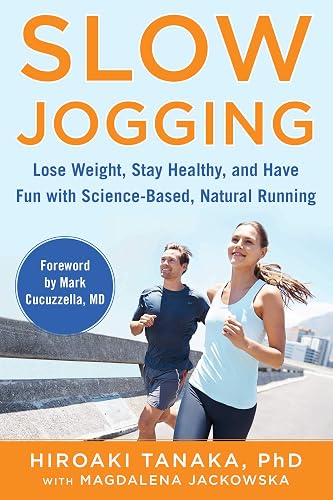 TOP CHOICEBest for calorie-focused readersSlow Jogging: Lose Weight, Stay Healthy, and Have Fun with Science-Based, Natural RunningView on Amazon
- 3
 TOP CHOICEBest for speed and formRunning Rewired: Reinvent Your Run for Stability, Strength, and Speed, 2nd EditionView on Amazon
- 4
 Best for beginners on a fat-loss goalSLOW RUNNING FOR FAT LOSS: A Beginner-Friendly 12-Week Run-Walk Plan tView on Amazon
- 5
 Best novelty pickHow Many Calories Does Running Out of Patience Burn T-ShirtView on Amazon
Our Top Picks
| Product | Best for | Key feature |
|---|---|---|
| Science of Running | Overall understanding | Physiology and training science |
| Slow Jogging | Calorie-focused readers | Energy balance explanations |
| Running Rewired | Speed and form | Stability and strength work |
| Slow Running for Fat Loss | Beginners | 12-week run-walk plan |
| Running Out of Patience T-Shirt | Gift or motivation | Humorous calorie-themed design |
Science of Running: Analyze your Technique, Prevent Injury, Revolutionize your Training (The Science of Fitness)
Science of Running: Analyze your Technique, Prevent Injury, Revolutionize your Training (The Science of Fitness)
Best for: Overall understanding
This book suits runners who want to know why their body burns energy the way it does, not just a number on a watch. It explains how running economy and training load connect to effort and output.
- Pros: Clear explanations of energy systems and running mechanics
- Pros: Useful for connecting intervals to real physiological demand
- Cons: More technical than a quick reference
Running Rewired: Reinvent Your Run for Stability, Strength, and Speed, 2nd Edition
Running Rewired: Reinvent Your Run for Stability, Strength, and Speed, 2nd Edition
Best for: Speed and form
Best suited to runners who plan to add faster interval sessions and want their mechanics to hold up as intensity rises. Calorie burn tends to climb with effort, so efficient form matters here.
- Pros: Strong focus on strength and stability for faster running
- Pros: Practical drills that complement interval training
- Cons: Less focused on calorie math specifically
Slow Jogging: Lose Weight, Stay Healthy, and Have Fun with Science-Based, Natural Running
Slow Jogging: Lose Weight, Stay Healthy, and Have Fun with Science-Based, Natural Running
Best for: Calorie-focused readers
A good fit for readers whose main question is how running translates into weight change. It discusses energy expenditure in an approachable way and is useful when you compare steady running with faster interval efforts.
- Pros: Direct focus on energy use and weight management
- Pros: Easy-to-follow science without heavy jargon
- Cons: Emphasizes slower running, so interval-specific guidance is limited
SLOW RUNNING FOR FAT LOSS: A Beginner-Friendly 12-Week Run-Walk Plan to Burn Calories, Build Endurance, and Lose Weight Without Exhausting Workouts or a Gym
SLOW RUNNING FOR FAT LOSS: A Beginner-Friendly 12-Week Run-Walk Plan to Burn Calories, Build Endurance, and Lose Weight Without Exhausting Workouts or a Gym
Best for: Beginners on a fat-loss goal
Aimed at newer runners who want a structured, gentler progression before adding hard intervals. It is a sensible starting point if fatigue or time is a concern.
- Pros: Clear 12-week structure for beginners
- Pros: Low-intensity approach that is easier to sustain
- Cons: Not designed for high-intensity interval work
How Many Calories Does Running Out of Patience Burn T-Shirt
How Many Calories Does Running Out of Patience Burn T-Shirt
Best for: Gift or motivation
This is a lighthearted option for runners who enjoy a calorie joke as motivation. It does not teach calorie math, but it can be a fun gift for someone in your training circle.
- Pros: Fun, conversation-starting design
- Pros: Easy gift choice
- Cons: Offers no training or calorie information
Buying Guide
Check how much calorie math the book covers
Some titles explain energy expenditure in depth, while others mention calories only in passing. If your main question is how many calories do I burn interval running, look for chapters on energy use, body weight and effort level.
Match the book to your current fitness
Beginners often do better with run-walk plans, while experienced runners may want physiology and form content. Choose the level that fits how far you already run.
Consider whether you need training plans
A plan-focused book gives you workouts, but a science-focused one explains the reasoning. Decide whether you want instruction, background or both.
Think about the edition and publication date
Newer editions often update research and training recommendations. Check the edition details before you buy.
Good picks for this: Science of Running and Slow Jogging
FAQ
How many calories does interval running burn per 30 minutes?
It varies widely with body weight, intensity and rest periods, so there is no single fixed number. Estimates from energy calculators can give a rough starting point.
Do interval runs burn more calories than steady running?
Interval sessions often produce higher effort in short bursts, which can raise total energy use over the same time. Individual results depend on pacing and recovery.
Is interval running good for weight loss?
It can support weight loss as part of an overall plan that includes diet and recovery. Consult a healthcare professional before starting a new exercise program, especially if you have health conditions.
Related reading
- 30 Min Interval Running Calories: How Many You Burn (2026)
- Interval Training Running Calories Burned: How to Estimate Your Burn (2026)
- How Many Calories Does High Intensity Interval Training Burn: A Practical Guide (2026)
- Interval Running Calorie Calculator: How to Estimate Your Burn (2026)
About Owen Palmer
Owen Palmer is part of our editorial team and reviews and edits our speed & interval running guides, checking product details against manufacturer specifications and owner feedback.
