 By Owen Palmer
Updated November 2026
High intensity interval training for basketball players is one of the most useful ways to build the repeated-sprint ability, change-of-direction speed and anaerobic capacity that the game demands, but the resources on the subject vary widely in depth and focus. Some are dense programming texts written for coaches, others are beginner-friendly exercise guides, and a few are basketball-specific conditioning programs that treat interval work as one piece of a larger plan. This list is built for players and coaches who want to choose one resource and use it well. The selection criteria were research-based: we looked at how closely each title tracks the physiology of interval training, whether it addresses basketball’s stop-start demands rather than generic cardio, how clearly it explains programming and progression, and the patterns owners tend to report about usability.
Best overall: Science and Application of High Intensity Interval Training – View on Amazon
Best for beginners: High Intensity Interval Training (Idiot’s Guides) – View on Amazon
Best for complete basketball conditioning: Basketball Complete Training & Performance Program – View on Amazon
Best for basketball IQ: Boost Your Basketball IQ – View on Amazon
Best for explosive jump training: INNSTAR Vertical Jump Trainer – View on Amazon
Best for strength foundations: Strength Training for Basketball – View on Amazon
Best for interval programming: Maximum Interval Training – View on Amazon
Our Top Picks
Quick Comparison
| Product | Best for | Key feature |
|---|---|---|
| Science and Application of High Intensity Interval Training | Coaches and advanced planners | Research-driven programming logic |
| High Intensity Interval Training (Idiot’s Guides) | Beginners | Large library of accessible exercises |
| Basketball Complete Training & Performance Program | Full-season conditioning | Sport-specific training structure |
| Boost Your Basketball IQ | Decision-making and game reading | Tactical and mental skill focus |
| INNSTAR Vertical Jump Trainer | Jump power work | Resistance-band jump training setup |
| Strength Training for Basketball | Building the strength base | Sport-specific lifting guidance |
| Maximum Interval Training | Structured interval programming | Workout-based interval templates |
Science and Application of High Intensity Interval Training: Solutions to the Programming Puzzle

Science and Application of High Intensity Interval Training: Solutions to the Programming Puzzle
Best for: Coaches and advanced planners who want to understand why interval prescriptions work, not just copy them.
This is the most theory-heavy title on the list. It is aimed at people who will write their own interval plans for a team or for themselves and who need to manage variables such as work-to-rest ratios, intensity targets and recovery windows. Basketball players who coach or who are serious about designing their own conditioning will get the most out of it.
Key specs
- Subject: applied high intensity interval training programming
- Focus: principles behind interval design and progression
Pros
- Explains the reasoning behind work and rest variables
- Useful for building periodized plans across a season
- Translates research into practical programming decisions
Cons
- Dense reading that can be slow for casual players
- Few direct basketball drills
Bottom line: Pick this if you want the principles behind your conditioning and plan to write your own sessions.
High Intensity Interval Training: Burn Fat Faster with 60-Plus High-Impact Exercises (Idiot’s Guides)

High Intensity Interval Training: Burn Fat Faster with 60-Plus High-Impact Exercises (Idiot's Guides)
Best for: Beginners who want a clear, practical starting point for interval training.
The Idiot’s Guides format keeps the material accessible, with short explanations and a large set of exercises. A younger player or a newcomer to structured conditioning can use it to build a base before moving to more technical material. Its focus leans toward general fat-burning and fitness rather than basketball-specific movement, so pair it with sport drills.
Key specs
- Format: beginner guide in the Idiot’s Guides series
- Content: more than 60 high-impact exercises per the listing title
Pros
- Easy to follow for players new to intervals
- Wide exercise variety reduces boredom
- Clear structure for building a first routine
Cons
- Not written for basketball-specific demands
- Less depth on advanced programming
Bottom line: A sensible first book for a player who is starting interval work from scratch.
Basketball Complete Training & Performance Program: Train Smarter. Play Harder. Perform at Your Best.

Basketball Complete Training & Performance Program: Train Smarter. Play Harder. Perform at Your Best. (The Ultimate Sports Performance Training Series)
Best for: Players who want a full-season conditioning plan built around basketball.
This title is part of a sports performance training series and treats conditioning as a whole system. Because it is basketball-specific, it covers the stop-start sprinting, lateral movement and endurance that a game requires. It works well as a backbone program with interval sessions slotted in, rather than as a standalone guide to HIIT theory.
Key specs
- Focus: complete basketball training and performance
- Series: Ultimate Sports Performance Training Series
Pros
- Sport-specific rather than generic cardio
- Covers training beyond intervals, including recovery
- Useful framework for in-season and off-season planning
Cons
- Broad scope means interval detail may be less deep
- Owners who want only HIIT theory may find it too wide
Bottom line: The best fit for a player who wants one integrated basketball conditioning program.
Boost Your Basketball IQ: How to Think the Game, Be the Smartest Player on the Court, and Win More
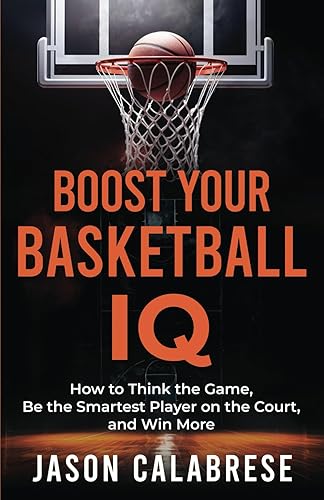
Boost Your Basketball IQ: How to Think the Game, Be the Smartest Player on the Court, and Win More (Basketball Training Skills & Strategies)
Best for: Players who want to improve decision-making so they spend less energy in wasted movement.
Interval training builds fitness, but efficiency on court also depends on reading the game. This book addresses that side of performance. It is not a conditioning manual, so it works best alongside an interval plan, helping a player use their energy where it counts.
Key specs
- Focus: basketball strategy and decision-making
- Series: Basketball Training Skills and Strategies
Pros
- Helps players move with purpose, reducing unnecessary sprints
- Useful for guards and wings who handle heavy decision loads
- Complements physical training well
Cons
- Contains no interval protocols or workout templates
- Its value depends on applying the ideas during play
Bottom line: Choose this as a companion resource rather than a primary conditioning guide.
INNSTAR Vertical Jump Trainer for Volleyball Basketball Home Gym, Jump Machine Resistance Bands

INNSTAR Vertical Jump Trainer for Volleyball Basketball Home Gym, Jump Machine Resistance Bands, Easy to Carry, Adjustable Jump Training Equipment
Best for: Players who want to add jump-power training to home interval sessions.
This is a physical training tool rather than a book. Resistance bands are used to load jumping movements, which can add a power element to conditioning. Follow manufacturer instructions for setup and anchoring, and check the bands and attachment points before each use.
Key specs
- Type: resistance-band jump trainer
- Designed for: volleyball and basketball home training
Pros
- Portable and easy to store
- Adds resistance to jump training
- Useful for home sessions with limited space
Cons
- Requires a secure anchor point and careful setup
- Less suited to full-team or gym-based training
Bottom line: A practical add-on for players training at home who want more jump power. Consult a qualified coach or medical professional before starting any new jump program, especially after injury.
Strength Training for Basketball (Strength Training for Sport)

Strength Training for Basketball (Strength Training for Sport)
Best for: Players building the strength base that makes interval work safer and more productive.
Repeated sprinting and jumping rely on strength as much as on aerobic and anaerobic capacity. This book covers lifting for basketball, which supports the conditioning side of HIIT. It is most useful for players who need to add a strength phase before or alongside intervals.
Key specs
- Focus: strength training for basketball
- Series: Strength Training for Sport
Pros
- Sport-specific strength guidance
- Supports power development for jumping and sprinting
- Clear focus on movement patterns used in the game
Cons
- Does not focus on interval protocols
- Requires access to lifting equipment for many exercises
Bottom line: Ideal for players who want to combine strength and interval work into one plan.
Maximum Interval Training

Maximum Interval Training
Best for: Players who want ready-made interval templates they can run without building a plan from scratch.
This title is oriented toward structured interval workouts. Its templates suit players who prefer to follow a set session rather than write their own. Because it is not basketball-specific, adapt the intervals to on-court movement with drills.
Key specs
- Focus: structured interval training
Pros
- Workout-based format is easy to follow
- Useful for repeatable session structure
- Works as a general conditioning base
Cons
- Not written specifically for basketball
- Limited detail on sport-specific adaptation
Bottom line: A useful template source for players who want clear interval sessions to follow.
Buying Guide
Sport-specific content
Generic interval books prescribe running and cycling intervals that do not reflect basketball’s movement. Look for resources that address lateral movement, jump-and-land cycles and the stop-start rhythm of a game, and that scale intervals to match court demands.
Good picks for this: Basketball Complete Training & Performance Program, Strength Training for Basketball
Depth of programming
Some resources explain the physiology behind work-to-rest ratios and progression, while others only list workouts. Decide whether you need to understand the reasoning or just need sessions to follow, and choose accordingly.
Good picks for this: Science and Application of High Intensity Interval Training, Maximum Interval Training
Beginner friendliness
If you are new to interval work, prioritize clear explanations, step-by-step exercise descriptions and manageable progression. Advanced texts can be rewarding later but may overwhelm a first-time reader.
Good picks for this: High Intensity Interval Training (Idiot’s Guides)
Equipment and space
Check what you need before buying physical tools. Home jump trainers require a secure anchor point and room to move, while books need no equipment at all. Match the tool to the space you actually train in.
Good picks for this: INNSTAR Vertical Jump Trainer
Mental and tactical skills
Fitness alone does not win games. Resources on game reading and decision-making help players use their energy efficiently, which can reduce wasted sprints during a match.
Good picks for this: Boost Your Basketball IQ
Strength foundation
Interval work is safer and more effective when the body can absorb force. Look for lifting guidance that supports jumping, sprinting and deceleration, and sequence strength and interval phases carefully.
Good picks for this: Strength Training for Basketball, Basketball Complete Training & Performance Program
Recovery and load management
High intensity work is demanding. Prioritize resources that discuss rest, recovery and volume, and avoid stacking intense interval days back to back. If you have an injury history or a medical condition, consult a physician, athletic trainer or qualified coach before starting a new program.
Good picks for this: Science and Application of High Intensity Interval Training, Basketball Complete Training & Performance Program
FAQ
What is high intensity interval training for basketball players?
It is a conditioning method that alternates short bouts of near-maximal effort with recovery periods. For basketball, the work intervals are usually built around sprints, defensive slides and jump sequences that match the game’s stop-start demands.
How often should basketball players do HIIT?
Many coaches schedule one or two dedicated interval sessions per week during the season and more during the off-season. Allow at least one full recovery day between high-intensity sessions, and reduce volume during competition weeks. Individual needs vary, so adjust based on fatigue and performance.
Can HIIT replace on-court practice?
No. Interval training builds fitness, but it does not replace skill work, tactical reps or game-speed decision-making. Use HIIT to support practice, not as a substitute for it.
Do I need equipment for basketball interval training?
Not necessarily. Sprints, shuttle runs, jump sequences and bodyweight drills need only a court or open space. Equipment such as jump trainers can add resistance, but it is optional.
Is HIIT safe for young players?
It can be, when intensity, volume and recovery are matched to age, experience and maturity. Young athletes should be supervised by a qualified coach, and anyone with a heart condition, past injury or unusual symptoms should see a physician before starting.
Which should I read first, a theory book or a workout guide?
If you want quick structure, start with a beginner guide or template book. If you plan to design your own sessions, the theory-focused title will give you the principles to make better decisions.
Conclusion
For most basketball players, the best starting point is a resource that matches their experience and goals. Beginners will get the most from the Idiot’s Guides title, while players who want a complete, sport-specific program should consider the Basketball Complete Training & Performance Program. Coaches and planners who want to understand the science should look at the Science and Application of High Intensity Interval Training, and players needing a strength base can add Strength Training for Basketball. Pair any of these with tactical work from Boost Your Basketball IQ, and use the jump trainer only after checking setup and getting appropriate guidance.
For more on related training formats, see High Intensity Interval Training 7 Minutes: A Step-by-Step Guide, 7 Best High Intensity Interval Training Workouts for Beginners at Home (2026), High Intensity Interval Training HIIT at Home: A Step-by-Step Guide, 6 Best High Intensity Interval Training HIITs for Men (2026) and 6 Best High Intensity Interval Training Cross Trainer Picks for Home (2026).
Sources
- General physical activity guidance on vigorous-intensity exercise and recommended weekly activity levels (cdc.gov)
- Position stands and guidance on exercise programming, intensity and recovery from the American College of Sports Medicine (acsm.org)
- Strength and conditioning principles for athletes, including power and sport-specific training
About Owen Palmer
Owen Palmer is part of our editorial team and reviews and edits our speed & interval running guides, checking product details against manufacturer specifications and owner feedback.