
 By Owen Palmer
Updated November 2026
Finding the best interval running shoes comes down to matching a shoe to the hard efforts you actually run. Interval sessions, such as 400m repeats, mile repeats or 800m reps at 5K pace, ask for quick transitions, a firm and responsive ride, and enough cushioning to recover between sets without feeling mushy at speed. This guide compares five road shoes from the Brooks and ASICS lines using four criteria: how well the shoe suits faster running, its cushioning and stability profile, its durability for high-mileage speed training, and the fit and feel owners most often describe. Nothing here is based on our own testing. The picks reflect manufacturer specifications, brand reputation and common owner feedback patterns.
Our top picks at a glance
- 1
 TOP CHOICEBest overallBrooks Men’s Revel 8 Running ShoeView on Amazon
- 2
 TOP CHOICEBest for daily speed sessionsASICS Men's NOVABLAST 5 Running ShoesView on Amazon
- 3
 TOP CHOICEBest for race-day intervalsBrooks Unisex Hyperion Elite 5 Neutral Race Running Shoe for Men & WomenView on Amazon
- 4
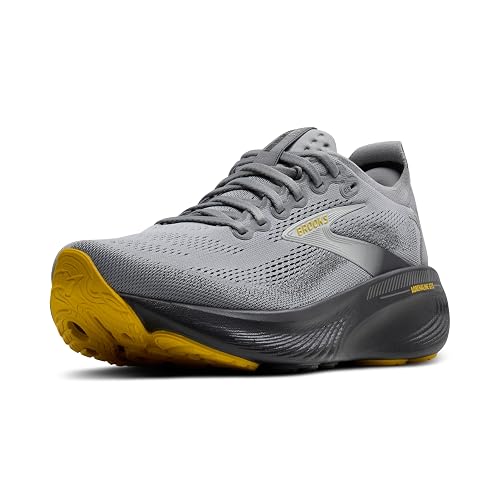 Best for stability on long speed blocksBrooks Men's Adrenaline GTS 25 Running ShoeView on Amazon
- 5
 Best for high-volume trainingBrooks Men’s Ghost Max 3 Running ShoeView on Amazon
Our Top Picks
Quick Comparison
| Product | Best for | Key feature |
|---|---|---|
| Brooks Men’s Revel 8 Running Shoe | Overall interval sessions | Lightweight, responsive everyday ride |
| ASICS Men’s NOVABLAST 5 Running Shoes | Daily speed sessions | Bouncy, energetic foam feel |
| Brooks Unisex Hyperion Elite 5 Neutral Race Running Shoe for Men & Women | Race-day intervals | Race-oriented, fast-transition build |
| Brooks Men’s Adrenaline GTS 25 Running Shoe | Stability on long speed blocks | Supportive guidance for fatigue |
| Brooks Men’s Ghost Max 3 Running Shoe | High-volume training | Maximum cushioning for recovery |
Brooks Men’s Revel 8 Running Shoe
Brooks Men’s Revel 8 Running Shoe
Best for: Overall interval sessions
This is a practical choice for runners who want one shoe that handles warm-ups, tempo runs and short repeats. It suits people who prefer a light, flexible feel and do not need heavy support or maximum cushioning.
Key specs:
- Neutral road running shoe for men
- Designed for daily training and faster efforts
- Lightweight build relative to heavier trainers
Pros:
- Light enough to feel quick through the turnover of short repeats
- Versatile across easy runs and speed work
- Typically easy to size for a standard neutral fit
Cons:
- Less cushioning than max-cushion options for high-volume weeks
- May feel firm for runners who prefer a plush landing
Bottom line: A strong first choice for runners who want a single, responsive shoe for mixed workouts and interval sessions.
ASICS Men’s NOVABLAST 5 Running Shoes
ASICS Men's NOVABLAST 5 Running Shoes
Best for: Daily speed sessions
The NOVABLAST line is built around a springy, energetic ride. It fits runners who want bounce through the forefoot during repeats and who run speed work several times a week.
Key specs:
- Neutral road running shoe for men
- Responsive midsole intended for dynamic toe-off
- Designed for regular training and faster running
Pros:
- Lively feel that suits fast turnover
- Good balance of cushioning and responsiveness
- Works for both daily runs and structured intervals
Cons:
- Some owners report a firmer feel during long tempo blocks
- Fit can run slightly narrow for wide-forefoot runners
Bottom line: A good pick for runners who want a bouncy, fast-feeling shoe for frequent speed work.
Brooks Unisex Hyperion Elite 5 Neutral Race Running Shoe for Men & Women
Brooks Unisex Hyperion Elite 5 Neutral Race Running Shoe for Men & Women
Best for: Race-day intervals
This is a race-oriented neutral shoe for runners who do their hardest sessions at goal pace and want a lightweight, fast-transition platform. It suits experienced runners more than beginners.
Key specs:
- Neutral race shoe for men and women
- Built for speed and quick transitions
- Lightweight racing profile
Pros:
- Fast, efficient feel for race-pace intervals
- Lightweight construction suits turnover-focused sessions
- Unisex sizing works well for many runners
Cons:
- Not designed for high daily mileage
- Less cushioning may not suit long recovery runs
Bottom line: Best for experienced runners who want a dedicated speed shoe for key workouts and races.
Brooks Men’s Adrenaline GTS 25 Running Shoe
Brooks Men's Adrenaline GTS 25 Running Shoe
Best for: Stability on long speed blocks
The Adrenaline line is a supportive, guidance-oriented shoe. It suits runners who tend to lose form as fatigue builds during long interval blocks and who want more structure underfoot.
Key specs:
- Stability-oriented road running shoe for men
- Supportive guidance system for controlled landings
- Designed for training miles and speed blocks
Pros:
- Helpful structure when fatigue sets in late in a session
- Comfortable for longer training days
- Suits runners who need extra stability
Cons:
- Heavier and less snappy than neutral speed shoes
- Not ideal for runners who prefer a minimal feel
Bottom line: A sensible choice for runners who need stability and want a supportive shoe for long, demanding interval sets.
Brooks Men’s Ghost Max 3 Running Shoe
Brooks Men’s Ghost Max 3 Running Shoe
Best for: High-volume training
This is a max-cushion trainer for runners who log heavy weekly mileage and want interval days to feel less punishing on the legs. It is less about pure speed and more about durability and comfort.
Key specs:
- Neutral max-cushion road shoe for men
- Plush midsole for high-impact training
- Built for daily training volume
Pros:
- Generous cushioning for recovery between hard sessions
- Comfortable across long, varied training weeks
- Good choice for heavier runners seeking impact protection
Cons:
- Heavier and less responsive than race-focused options
- Can feel soft for runners who want a firm, fast platform
Bottom line: A good pick for high-mileage runners who want comfort and protection on interval days without sacrificing daily durability.
Buying Guide
Cushioning level
Cushioning changes how a shoe feels at high speed. Max-cushion trainers absorb impact well but can feel less snappy, while lighter, firmer shoes return energy more quickly. If you run intervals on most days, a moderate option often balances comfort and responsiveness better than an extreme one.
Good picks for this: Brooks Men’s Ghost Max 3 Running Shoe, ASICS Men’s NOVABLAST 5 Running Shoes
Weight and responsiveness
Lighter shoes reduce the energy cost of each repeat and suit turnover-heavy sessions such as 200m or 400m reps. Heavier shoes can feel sluggish at the end of a set. Check the listed weight and compare shoes of similar cushioning level, since lighter often means less protection.
Good picks for this: Brooks Unisex Hyperion Elite 5 Neutral Race Running Shoe for Men & Women, Brooks Men’s Revel 8 Running Shoe
Stability and support
Neutral shoes suit runners whose feet do not roll inward excessively. Stability shoes add structure that some runners find helpful when fatigue affects form. A gait assessment from a running specialist can help you choose, especially if you have a history of shin, knee or foot pain. A related read: Interval Running on Treadmill: A Step-by-Step Guide for Faster 5Ks.
Good picks for this: Brooks Men’s Adrenaline GTS 25 Running Shoe
Fit and sizing
Running shoes often need roughly a thumb’s width (about half an inch) of space in front of the longest toe. Feet swell during long runs and hard efforts, so shop later in the day when possible. Try shoes with the socks you plan to run in, and check width options if your forefoot is wide or narrow.
Good picks for this: ASICS Men’s NOVABLAST 5 Running Shoes, Brooks Men’s Ghost Max 3 Running Shoe
Use case and training volume
Think about how many miles you run per week and how often you do intervals. A race-focused shoe may wear out quickly under heavy daily use, while a daily trainer can handle volume but may not feel as fast for race-pace work. Many runners keep one trainer for most runs and a lighter shoe for key sessions.
Good picks for this: Brooks Men’s Revel 8 Running Shoe, Brooks Unisex Hyperion Elite 5 Neutral Race Running Shoe for Men & Women
Durability and outsole
Speed sessions put heavy load on the forefoot and toe-off. Look for shoes with reinforced outsole rubber in high-wear areas, and expect faster wear on lightweight racing models. Many runners retire running shoes after roughly 300 to 500 miles, though this varies with weight, surface and stride.
Good picks for this: Brooks Men’s Ghost Max 3 Running Shoe, Brooks Men’s Adrenaline GTS 25 Running Shoe
Care and rotation
Rotating two pairs of shoes can extend the life of each and reduce repetitive stress, since midsole foam needs time to recover between runs. Let shoes air dry away from direct heat, and avoid putting them in a dryer, which can damage the foam and glue.
Good picks for this: Brooks Men’s Revel 8 Running Shoe, ASICS Men’s NOVABLAST 5 Running Shoes
FAQ
What makes a shoe good for interval running?
A good interval shoe is responsive, reasonably light and stable enough to hold form when you are fatigued. Cushioning should be enough to recover between hard efforts without making the shoe feel slow at speed.
Should I buy a racing shoe or a daily trainer for intervals?
Racing shoes feel faster for quality sessions but often wear out sooner. Daily trainers are more durable and comfortable for high mileage. Many runners use a trainer most days and a lighter shoe for key workouts.
How often should I replace running shoes used for speed work?
Many runners replace shoes after roughly 300 to 500 miles, but signs of wear matter more than mileage alone. Replace shoes if the midsole feels flat, the outsole is worn smooth, or you notice new aches after runs.
Do I need stability shoes for interval training?
Not necessarily. Stability shoes help some runners whose form breaks down when tired, but many runners do well in neutral shoes. A gait analysis at a running specialty store or with a sports medicine professional can help you decide.
Can I use the same shoes for intervals and long runs?
Yes, if the shoe offers enough cushioning and durability for your weekly volume. Many runners prefer a moderately cushioned trainer for most runs and a lighter shoe for faster sessions.
Are interval shoes different from regular running shoes?
The main difference is emphasis. Interval-friendly shoes tend to be lighter and more responsive, while everyday shoes prioritize comfort and durability. Many models serve both purposes, so the label matters less than the feel and specs.
Should I consult a professional about running shoes?
If you have recurring pain in the feet, shins, knees or hips, or a history of injury, consult a sports medicine doctor, physical therapist or experienced running specialist before choosing a shoe.
Conclusion
For most runners, the Brooks Men’s Revel 8 Running Shoe is a sensible all-around choice for mixed interval and daily work. Runners who want a bouncier ride for frequent speed sessions may prefer the ASICS Men’s NOVABLAST 5 Running Shoes. Experienced racers focused on key workouts should look at the Brooks Unisex Hyperion Elite 5, while runners who need extra structure will find the Brooks Men’s Adrenaline GTS 25 more supportive. For high-mileage athletes who want comfort on hard days, the Brooks Men’s Ghost Max 3 Running Shoe is the most protective option. If you are unsure which fits you best, start with your weekly mileage, your gait and how often you run intervals.
Sources
- Consumer safety guidance on product use and care, useful background for choosing and maintaining athletic footwear (cpsc.gov)
- Position stands and training guidance from the American College of Sports Medicine on running and exercise programming (acsm.org)
- Research summaries on running injury risk and footwear, from the National Institutes of Health (nih.gov)
Related reading
- 12 Best Trail Running Shoes
- Interval Running vs Fartlek (2026): Which Is Better for Speed Gains?
- Rowing High Intensity Interval Training: 8 Best Books and Guides (2026)
About Owen Palmer
Owen Palmer is part of our editorial team and reviews and edits our speed & interval running guides, checking product details against manufacturer specifications and owner feedback.


