
 By Owen Palmer
Updated November 2026
Choosing high intensity interval training shoes is harder than it looks, because the same pair has to handle sprints, jump drills, lateral shuffles and heavy lifts without feeling clumsy in any of them. This guide ranks seven training shoes that suit HIIT sessions, based on published specifications, brand reputation and the patterns owners tend to describe in their feedback. The selection criteria were stability under lateral load, a flat or near-flat sole for lifting, cushioning that holds up to repeated impact, a secure heel and midfoot lockdown, and breathability for sessions that push your heart rate high. Read on to find the pair that fits your workouts.
Our top picks at a glance
- 1
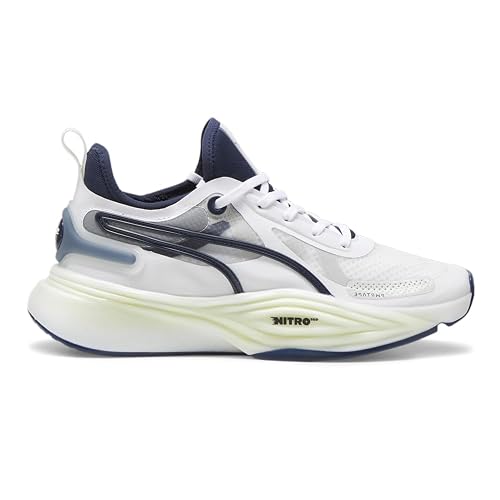 TOP CHOICEBest overallPUMA Mens Pwr Nitro Squared Training Sneakers ShoesView on Amazon
- 2
 TOP CHOICEBest for lifting-heavy HIITadidas Mens Dropset Control Training Sneakers Shoes – BlackView on Amazon
- 3
 TOP CHOICEBest for women's all-around trainingNike Women's Bella 7 Training/Workout ShoesView on Amazon
- 4
 Best for lateral agilityK-Swiss Men's Tubes 220 Training ShoeView on Amazon
- 5
 Best for wide feetRyka Rykä Women's Vivid RZX Training SneakerView on Amazon
- 6
 Best for running-based intervalsUnder Armour Men's Charged+ Assert 11 Running ShoesView on Amazon
- 7
 Best women's pick for stabilityPUMA Womens Pwr Nitro Squared Training Sneakers Shoes – Green, WhiteView on Amazon
Our Top Picks
Quick Comparison
| Product | Best for | Key feature |
|---|---|---|
| PUMA Mens Pwr Nitro Squared Training Sneakers Shoes | Mixed HIIT and lifting | Stable, responsive midsole |
| adidas Mens Dropset Control Training Sneakers Shoes – Black | Lifting-heavy HIIT | Firm, flat base |
| Nike Women’s Bella 7 Training/Workout Shoes | Women’s all-around training | Versatile fit and flexibility |
| K-Swiss Men’s Tubes 220 Training Shoe | Lateral agility drills | Lightweight, low-profile build |
| Ryka Rykä Women’s Vivid RZX Training Sneaker | Wide feet | Roomier forefoot |
| Under Armour Men’s Charged+ Assert 11 Running Shoes | Running-based intervals | Cushioned forward motion |
| PUMA Womens Pwr Nitro Squared Training Sneakers Shoes – Green, White | Women’s stability-focused HIIT | Supportive heel and midfoot |
PUMA Mens Pwr Nitro Squared Training Sneakers Shoes
PUMA Mens Pwr Nitro Squared Training Sneakers Shoes
Best for: Mixed HIIT and lifting
This is a strong general-purpose choice for men who move between treadmill intervals, bodyweight circuits and weight work in the same week. Its sole is designed to feel stable on the platform while still giving enough give for short sprints.
Key specs
- Men’s sizing with a training-oriented lacing system
- Nitro-branded midsole foam for responsive cushioning
- Synthetic and mesh upper for breathability
Pros
- Stable enough for lateral movement and lifts
- Good balance between cushioning and ground feel
- Works well for varied class-style sessions
Cons
- Less cushioned than a dedicated running shoe for long road runs
- Sizing can run slightly snug for some wider feet
Bottom line: Pick this if you want one pair that handles most HIIT formats without specializing too hard.
adidas Mens Dropset Control Training Sneakers Shoes – Black
adidas Mens Dropset Control Training Sneakers Shoes – Black
Best for: Lifting-heavy HIIT
Designed around a firm, controlled platform, this shoe suits people whose intervals include barbell work, goblet squats and heavy carries. Owners commonly describe a planted feel during lifts.
Key specs
- Training-focused flat profile
- Black colorway, men’s sizing
- Lace-up closure for a secure fit
Pros
- Firm base supports heavy squats and deadlift-style work
- Stable under lateral and rotational loads
- Low-profile feel helps with balance
Cons
- Limited cushioning for high-impact jump drills
- Not ideal for long-distance running intervals
Bottom line: A strong fit for lifters who add conditioning circuits, less so for those whose HIIT is mostly running.
Nike Women’s Bella 7 Training/Workout Shoes
Nike Women's Bella 7 Training/Workout Shoes
Best for: Women’s all-around training
A versatile women’s trainer for classes, circuits and general gym sessions. It suits people who want one shoe that feels comfortable across a broad range of exercises.
Key specs
- Women’s-specific last and sizing
- Lightweight training construction
- Lace-up closure
Pros
- Comfortable for varied workouts
- Flexible forefoot for jumps and footwork
- Easy to wear for gym-to-errands days
Cons
- Cushioning is modest for high-volume running
- Heavier lifters may want a firmer heel
Bottom line: Good for women who mix cardio, classes and lifting and want a balanced, everyday-friendly pair.
K-Swiss Men’s Tubes 220 Training Shoe
K-Swiss Men's Tubes 220 Training Shoe
Best for: Lateral agility drills
A lower, lighter training shoe that suits athletes doing shuffles, cone drills and quick direction changes. Its lower profile is generally preferred by people who want a closer feel to the ground.
Key specs
- Men’s training shoe with low-profile build
- Lightweight upper for quick footwork
Pros
- Lightweight and quick to move in
- Good ground feel for agility work
- Simple, clean design for gym use
Cons
- Less cushioning for long interval runs
- May feel minimal for heavier lifters
Bottom line: Pick this if your HIIT leans toward agility and footwork rather than long running efforts.
Ryka Rykä Women’s Vivid RZX Training Sneaker
Ryka Rykä Women's Vivid RZX Training Sneaker, Athletic Shoes for Women
Best for: Wide feet
Ryka is widely associated with fit options for women with wider feet, making this a common consideration for anyone who finds standard trainers pinch the forefoot during jumps and lunges.
Key specs
- Women’s athletic trainer
- Designed with a roomier forefoot fit
Pros
- Accommodating fit for wider feet
- Suitable for varied gym and class training
- Supportive feel during lateral movement
Cons
- Fit preferences vary, so sizing may need checking
- Not a specialized lifting or running shoe
Bottom line: A good pick for women who have struggled with fit in other trainers and want more room up front.
Under Armour Men’s Charged+ Assert 11 Running Shoes
Under Armour Men's Charged+ Assert 11 Running Shoes
Best for: Running-based intervals
This shoe leans toward running, so it suits men whose HIIT includes treadmill sprints, track repeats or hill intervals alongside some strength work.
Key specs
- Men’s running shoe with Charged cushioning
- Lace-up closure
Pros
- Cushioning suits repeated forward impact
- Good for treadmill and track intervals
- Comfortable for longer cardio sessions
Cons
- Softer sole can feel unstable for heavy lifts
- Less suited to lateral-heavy drills
Bottom line: Best for runners and cardio-focused HIIT athletes who spend more time moving forward than side to side.
PUMA Womens Pwr Nitro Squared Training Sneakers Shoes – Green, White
PUMA Womens Pwr Nitro Squared Training Sneakers Shoes – Green, White
Best for: Women’s stability-focused HIIT
The women’s version of the Nitro Squared platform gives women a similarly stable, responsive setup for mixed intervals and strength circuits.
Key specs
- Women’s sizing and last
- Green and white colorway
- Training-oriented midsole
Pros
- Stable platform for lifts and lateral moves
- Responsive feel for short sprints
- Breathable upper for intense sessions
Cons
- Not as cushioned as a dedicated running shoe
- Fit may feel narrow for some wide feet
Bottom line: A solid women’s option for those who want the Nitro Squared feel in a women’s fit.
Buying Guide
Stability and Lateral Support
HIIT often includes side shuffles, lunges and direction changes. Look for a firm heel counter and a wide, stable base so your foot does not roll during these moves. Shoes with a slightly flared base generally feel more planted than narrow, highly cushioned designs.
Good picks for this: PUMA Mens Pwr Nitro Squared Training Sneakers Shoes, K-Swiss Men’s Tubes 220 Training Shoe
Flat, Firm Sole for Lifting
If your intervals include squats, deadlifts or heavy carries, a softer, sprung sole can make you feel unstable. A firmer, flatter sole gives you a more even surface to push through. Many lifters prefer a near-zero heel-to-toe drop for this reason.
Good picks for this: adidas Mens Dropset Control Training Sneakers Shoes – Black, PUMA Womens Pwr Nitro Squared Training Sneakers Shoes – Green, White
Cushioning for Impact
Jump drills, box jumps and treadmill sprints place repeated load on the feet and joints. Moderate cushioning helps absorb impact without making the shoe feel unstable. Too much softness, however, can reduce control, so balance matters more than maximum cushion.
Good picks for this: Under Armour Men’s Charged+ Assert 11 Running Shoes, Nike Women’s Bella 7 Training/Workout Shoes
Fit, Width and Heel Lockdown
Your foot swells during long sessions, and a loose heel can cause blisters during fast movement. Check that the heel stays put when you jog in place, and that the forefoot has enough room for toe splay. Wider-footed athletes should prioritize width options.
Good picks for this: Ryka Rykä Women’s Vivid RZX Training Sneaker, Nike Women’s Bella 7 Training/Workout Shoes
Breathability and Upper Construction
HIIT raises body temperature quickly. Mesh panels and breathable linings help keep feet cooler and drier, which can reduce friction and discomfort. Synthetic overlays add structure without excessive weight.
Good picks for this: K-Swiss Men’s Tubes 220 Training Shoe, PUMA Mens Pwr Nitro Squared Training Sneakers Shoes
Weight and Agility
Lighter shoes feel quicker for agility drills but may offer less support for heavy lifting. Heavier trainers usually feel more planted. Decide which matters more in your routine and avoid overbuying on either end.
Good picks for this: K-Swiss Men’s Tubes 220 Training Shoe, adidas Mens Dropset Control Training Sneakers Shoes – Black
Durability and Care
Training shoes wear out faster when used for both running and lifting, because the outsole faces different stresses. Rotate pairs if you can, let shoes air out between sessions, and replace them when the midsole feels compressed or the tread looks flat.
Good picks for this: PUMA Womens Pwr Nitro Squared Training Sneakers Shoes – Green, White, Under Armour Men’s Charged+ Assert 11 Running Shoes
FAQ
Can I use running shoes for high intensity interval training?
Yes, especially if your intervals are mostly forward running on a treadmill or track. However, running shoes often have softer, less stable soles, which can feel unsteady during lateral moves and heavy lifts. A cross-trainer is usually a better all-rounder.
What is the difference between training shoes and running shoes?
Training shoes typically have a flatter, firmer, more stable base for lifting and lateral movement. Running shoes are built to cushion repeated forward strides. Many HIIT athletes choose training shoes for their balance of stability and flexibility.
Do I need a shoe with a raised heel for HIIT?
Not necessarily. A raised heel can help some lifts such as squats, but it can reduce stability in other movements. Most people do well with a low drop shoe if they do a lot of varied training.
How often should I replace my HIIT shoes?
Replacement depends on use, body weight and surface. Many runners and trainers consider replacing shoes once the midsole loses its springiness or the tread wears smooth. Check your shoes every few months if you train several times a week.
Are wide-fit shoes worth it for HIIT?
If your feet feel cramped or your toes go numb during workouts, a wider fit can make a noticeable difference. Try shoes on in the afternoon, when feet are slightly larger, and check that your heel stays locked in.
Should I wear socks with training shoes?
Moisture-wicking socks help reduce friction and blisters during intense sessions. Choose a snug but not tight fit so the sock does not bunch under your foot.
Is it safe to do HIIT in new shoes?
Break in new shoes gradually before using them for high-impact sessions. If you have foot pain, joint problems or a medical condition, consult a podiatrist or a qualified healthcare professional before starting a new high-intensity routine.
Conclusion
There is no single best shoe for every HIIT athlete. If you want one balanced pair for mixed workouts, the PUMA Mens Pwr Nitro Squared is a strong starting point. Lifting-heavy athletes should look at the adidas Dropset Control model, while those who prioritize lateral agility may prefer the lower, lighter K-Swiss Tubes 220. Runners who mostly move forward will find the Under Armour Charged+ Assert 11 suits their intervals, and women with wider feet should consider the Ryka Vivid RZX. Match the shoe to your dominant movement pattern, check the fit in person when possible, and replace worn pairs before they affect your form.
Sources
- Physical activity guidelines and recommendations for vigorous-intensity exercise (cdc.gov)
- Position guidance on exercise prescription and intensity for healthy adults (acsm.org)
- Research summaries on high-intensity interval training and its effects (nih.gov)
Related reading
- Rowing High Intensity Interval Training: 5 Best Books and Guides (2026)
- High Intensity Interval Training Timer: 6 Best Picks for Every Workout (2026)
- High Intensity Interval Training Timer App: A Practical Guide (2026)
- High Intensity Interval Training Spinning: A Step-by-Step Guide for Beginners
- High Intensity Interval Training Spin Bike: 6 Best Picks for Home (2026)
About Owen Palmer
Owen Palmer is part of our editorial team and reviews and edits our speed & interval running guides, checking product details against manufacturer specifications and owner feedback.
