
 By Owen Palmer
Updated November 2026
Interval training mountain bike work is one of the fastest ways to build the power, repeatability and aerobic engine that trail and cross-country riding demands. Whether you want structured intervals on a smart trainer through the winter or a reference book to plan your own sessions, the right tool depends on your riding goals, your experience and how much you already know about structuring a training block. This roundup focuses on what matters most in that choice: how well a product supports real interval work, how clearly it explains the underlying skills and physiology, how specific it is to mountain biking rather than road or general fitness, and what owners typically say about durability and ease of use. Nothing here is based on our own lab testing; the picks reflect manufacturer specifications, brand reputation and recurring patterns in owner feedback.
Our top picks at a glance
- 1
 TOP CHOICEBest overallMastering Mountain Bike SkillsView on Amazon
- 2
 TOP CHOICEBest for indoor structured intervalsWahoo KICKR CORE 2 Smart Bike TrainerView on Amazon
- 3
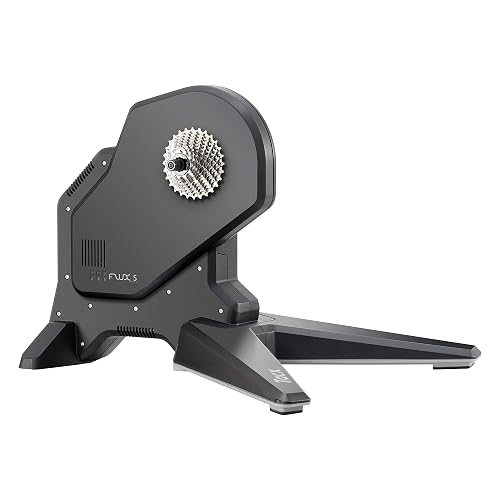 TOP CHOICEBest budget pickTacx Flux S Smart Bike TrainerView on Amazon
- 4
 Best for simulating climbs indoorsWahoo KICKR CLIMB Indoor Grade SimulatorView on Amazon
- 5
 Best for coaches and skills progressionTeaching Mountain Bike SkillsView on Amazon
- 6
 Best for competitive training plansThe Mountain Biker's Training BibleView on Amazon
Our Top Picks
Quick Comparison
| Product | Best for | Key feature |
|---|---|---|
| Mastering Mountain Bike Skills | Riders building technique alongside fitness | Skills-focused coaching approach |
| Wahoo KICKR CORE 2 Smart Bike Trainer | Structured indoor interval sessions | Direct drive resistance with Zwift cog pre-installed |
| Tacx Flux S Smart Bike Trainer | Budget-conscious indoor training | Smart trainer compatible with major training apps |
| Wahoo KICKR CLIMB Indoor Grade Simulator | Simulating gradients during intervals | Raises and lowers the bike for incline and decline |
| Teaching Mountain Bike Skills | Coaches and skills-based interval blocks | NICA-aligned skills training manual |
| The Mountain Biker’s Training Bible | Competitive riders planning periodized blocks | Complete training guide for competitive mountain bikers |
Mastering Mountain Bike Skills
Mastering Mountain Bike Skills
Best for: Riders who want interval fitness and technical skill developed together
This is a good fit for riders who find their intervals wasted because their handling holds them back on steep, rooty or loose climbs. Interval work on the trail only pays off if you can carry speed through corners and technical sections without burning energy you planned to spend in the effort.
Key specs
- Format: book
- Focus: mountain bike technique and skills progression
Pros
- Pairs technique drills with fitness-relevant practice
- Useful for riders at several levels
- Helps you spot when an interval is limited by skill rather than fitness
Cons
- Limited direct guidance on interval pacing and heart rate zones
- Works best alongside a separate training plan
Bottom line: Choose this if your intervals feel inefficient on the trail and you suspect technique is part of the problem.
Wahoo KICKR CORE 2 Smart Bike Trainer
Direct Drive Indoor Bike Trainer • Zwift Cog Pre-Installed • Zwift Click Shifter • Fits 8 to 13 Speed Bikes • 1800W • Wi-Fi Wahoo KICKR CORE 2 Smart Bike Trainer with Zwift Cog and Click Shifting
Best for: Structured indoor interval sessions with repeatable resistance
This suits riders who want to hit exact power targets during a 4×8 minute or 5×5 minute interval set regardless of weather. Smart trainers remove the variability of trail conditions, which makes it easier to track progress week to week.
Key specs
- Trainer type: direct drive smart trainer
- Compatible with 8 to 13 speed bikes, per the listing
- Zwift cog pre-installed and Zwift Click shifter included, per the listing
- Wi-Fi connectivity, per the listing
Pros
- Direct drive design is generally quieter and more consistent than wheel-on trainers
- Works with a wide range of training apps and head units
- Broad drivetrain compatibility for many bikes
Cons
- Requires a compatible rear axle and cassette setup, so check fit before buying
- Full functionality depends on subscribing to or using a compatible training platform
Bottom line: A strong choice for riders who want precise, repeatable indoor intervals and are willing to set up a compatible drivetrain.
Tacx Flux S Smart Bike Trainer
Tacx Flux S Smart Bike Trainer, Black, Model:T2900S.60
Best for: Budget-conscious indoor interval training
This is aimed at riders who want a smart trainer that supports structured intervals without the cost of premium direct drive units. It works well for riders building a base before deciding whether they want to upgrade.
Key specs
- Trainer type: smart trainer, model T2900S.60 per the listing
- Designed to work with major indoor training apps
Pros
- Accessible entry point into smart trainer training
- Supports ERG-style interval control in compatible apps
- Broadly regarded as a reasonable option for structured indoor sessions
Cons
- Owners often report that power accuracy and noise differ from direct drive models
- Setup and calibration take patience
Bottom line: A sensible pick for riders who want smart-trainer interval control on a tighter budget.
Wahoo KICKR CLIMB Indoor Grade Simulator
Raises and Lowers the Bike, Up to 20% Incline and -10% Decline • For 2017 and Newer KICKR, KICKR CORE, KICKR SNAP Wahoo KICKR CLIMB Indoor Grade Simulator for KICKR Smart Bike Trainers
Best for: Simulating climbs and descents during indoor intervals
Mountain riding is rarely flat, and this accessory lets you add real gradient to hill repeats indoors. It is most useful for riders who already own a compatible Wahoo KICKR trainer and want more realistic climbing efforts.
Key specs
- Raises and lowers the bike, per the listing
- Up to 20% incline and -10% decline, per the listing
- Designed for compatible KICKR, KICKR CORE and KICKR SNAP trainers, per the listing
Pros
- Makes hill intervals feel closer to outdoor riding
- Adds variety to indoor sessions
- Works with compatible trainers already in place
Cons
- Only useful with compatible Wahoo trainers
- Adds cost and setup space to an indoor station
Bottom line: Best for riders who already use a compatible Wahoo trainer and want realistic gradient work during intervals.
Teaching Mountain Bike Skills
Teaching Mountain Bike Skills: The Skills Training Manual for NICA Coaches
Best for: Coaches and riders planning skills-based interval blocks
This manual is written for coaches working with youth and development riders, and it suits anyone who wants a structured, coach-style approach to skills progression. It is more useful for planning sessions than for chasing numbers.
Key specs
- Format: skills training manual
- Written for NICA coaches, per the listing
Pros
- Clear progression structure for skills work
- Useful for designing drill-based warm-ups and cool-downs
- Well suited to group or coached sessions
Cons
- Less focused on power, heart rate or interval physiology
- Oriented toward coaching rather than individual performance planning
Bottom line: Pick this if you coach others or want a drill-first structure to pair with your interval sessions.
The Mountain Biker’s Training Bible
The Mountain Biker's Training Bible: A Complete Training Guide for the Competitive Mountain Biker
Best for: Competitive riders planning periodized interval blocks
If you race cross-country or marathon and want a full season framework, this guide covers how intervals fit into base, build and peak phases. It rewards riders willing to read carefully and apply the principles to their own schedule.
Key specs
- Format: complete training guide
- Focus: competitive mountain bike training
Pros
- Covers periodization and how intervals fit a season
- Useful reference for building weekly structure
- Relevant to race preparation rather than general fitness
Cons
- Can feel dense for beginners
- Requires you to adapt general principles to your own data and recovery
Bottom line: The best choice among these for riders with race goals who want a full-season reference.
Buying Guide
Training Goal and Riding Style
Start by deciding whether you need a plan, a skill-building resource, or equipment that delivers structured efforts. Cross-country racers often benefit from periodized guidance, while trail riders may gain more from technique work and flexible interval formats. A clear goal narrows the field quickly.
Good picks for this: The Mountain Biker’s Training Bible, Mastering Mountain Bike Skills
Indoor Trainer Compatibility
If you plan to do intervals indoors, check your bike’s rear axle type, cassette range and tire fit before buying a smart trainer. Manufacturers list supported drivetrain specs for each model, and mismatches are a common source of frustration.
Good picks for this: Wahoo KICKR CORE 2 Smart Bike Trainer, Tacx Flux S Smart Bike Trainer
Resistance Type and Power Accuracy
Direct drive trainers generally offer more consistent resistance and quieter operation than wheel-on designs, according to common owner feedback. If you use power targets, look at how the manufacturer describes accuracy and calibration.
Good picks for this: Wahoo KICKR CORE 2 Smart Bike Trainer, Tacx Flux S Smart Bike Trainer
Gradient Simulation
Indoor hill intervals feel more realistic when the bike can change angle. Check the maximum incline and decline the manufacturer specifies, and confirm compatibility with your trainer before purchasing an accessory.
Good picks for this: Wahoo KICKR CLIMB Indoor Grade Simulator
Coaching and Skills Content
Interval fitness is only part of mountain biking performance. Look at whether a resource covers technique, pacing and terrain-specific skills, especially if you ride technical singletrack or race courses with frequent climbs and descents.
Good picks for this: Mastering Mountain Bike Skills, Teaching Mountain Bike Skills
Durability and Build Quality
For trainers, look for sturdy frames, clear warranty terms and a manufacturer history you can verify. For books and manuals, check the edition date, since training science and recommended practices change over time.
Good picks for this: Wahoo KICKR CORE 2 Smart Bike Trainer, Mastering Mountain Bike Skills
Ease of Setup and Ongoing Use
Consider how much time you want to spend setting up and maintaining your equipment. Smart trainers need occasional calibration and firmware updates, while books require you to plan sessions yourself. Choose the workload you will actually sustain.
Good picks for this: Tacx Flux S Smart Bike Trainer, The Mountain Biker’s Training Bible
FAQ
What is interval training for mountain biking?
It is a structured approach that alternates hard efforts with recovery periods, such as repeated climbs or sustained surges at a set intensity. It builds aerobic capacity, power and the ability to recover between efforts, all of which matter on rough, variable terrain.
How often should I do interval sessions each week?
Most riders do one to two dedicated interval sessions per week during build phases, with easier riding in between. Your total training load, sleep and recovery should guide the exact number. A coach or qualified professional can help tailor this to your situation.
Do I need a smart trainer to do interval training indoors?
No, but a smart trainer makes it easier to hit specific power or resistance targets and repeat them consistently. Basic trainers work, though you will rely more on perceived effort or heart rate.
Is a skills book enough to improve my intervals?
Skills books improve handling and efficiency, which can make intervals more productive on the trail. They do not replace a structured training plan that sets intensity, duration and recovery for your fitness level.
Can beginners use interval training on mountain bikes?
Yes, but beginners should start with lower intensity and shorter intervals, and build gradually. Learning basic trail skills first can make efforts safer and more effective.
What should I look for in an indoor trainer for intervals?
Check drivetrain compatibility, resistance type, noise level, and whether it supports the training apps you plan to use. Review the manufacturer’s stated specifications before buying.
How do I combine interval training with trail riding?
Use trail climbs or flat sections with clear start and stop points to structure efforts, and keep recovery intervals honest. Note that terrain and traffic can make pacing less precise than on a trainer.
Conclusion
For most riders, the best starting point is a combination of technique and planning resources, supported by equipment that suits your indoor or outdoor routine. Mastering Mountain Bike Skills suits riders who want skill and fitness developed together. The Mountain Biker’s Training Bible fits competitive riders who need a full-season framework. For indoor interval control, the Wahoo KICKR CORE 2 Smart Bike Trainer offers direct drive precision, while the Tacx Flux S Smart Bike Trainer suits a tighter budget. The Wahoo KICKR CLIMB Indoor Grade Simulator adds gradient realism to an existing compatible setup, and Teaching Mountain Bike Skills serves coaches and skills-focused planning. Match the pick to your goal, and check compatibility before you buy.
Sources
- General physical activity and aerobic exercise guidelines relevant to structuring training load (cdc.gov)
- Position statements and guidance on exercise intensity, interval training and training prescription (acsm.org)
- Consumer safety information for exercise equipment and cycling-related products (cpsc.gov)
Related reading
- Spin Bike Interval Training: A Step-by-Step Guide for Faster Gains
- Interval Training for Mountain Biking: 7 Best Books Compared (2026)
- High Intensity Interval Training Spin Bike: 6 Best Picks for Home (2026)
- 7 Best Interval Training Bike Workout Picks for Every Rider
- 7 Best High Intensity Interval Training Recumbent Bikes for Home (2026)
About Owen Palmer
Owen Palmer is part of our editorial team and reviews and edits our speed & interval running guides, checking product details against manufacturer specifications and owner feedback.
