
 By Owen Palmer
Updated November 2026
Music for interval training can make the difference between hitting your splits and fading after the third rep. The right track gives you a steady beat to match your turnover, a clear cue when it is time to go hard, and a rhythm that makes recovery feel shorter. This guide covers six options built around that job. Each pick was evaluated against a few criteria: how clearly the tracks mark work and rest intervals, whether the tempo suits running or cycling cadences, how long the mix runs, and what owners commonly say about it. No product here was field-tested by the author, so treat the notes as a research summary rather than a personal review.
Our top picks at a glance
- 1
 TOP CHOICEBest overall190 BPM Running Music – Interval TrainingView on Amazon
- 2
 TOP CHOICEBest for structured HIIT roundsIgnite 2 Hiit & Interval Training Music (30sec ON 30sec OFF Ver.)View on Amazon
- 3
 TOP CHOICEBest for Tabata-style sessionsWorkout Music for Intense Tabata Interval Training, Vol. 2View on Amazon
- 4
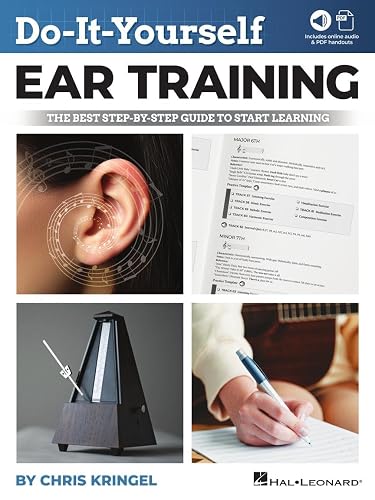 Best for musicians learning rhythmDo-It-Yourself Ear Training Step-by-Step Guide to Improve Musical SkillsView on Amazon
- 5
 Best for pitch and theory studyINTERVAL TRAINING GUIDE FOR MUSICIANS: A Step-by-Step Method to Improve Pitch AccuracyView on Amazon
- 6
 Best budget pickZoltan Kodaly 333 Reading ExercisesView on Amazon
Our Top Picks
| Product | Best for | Key feature |
|---|---|---|
| 190 BPM Running Music – Interval Training | Runners who want a fixed tempo | Tracks built around a set beats-per-minute target |
| Ignite 2 Hiit & Interval Training Music | Timed work and rest blocks | 30 seconds on, 30 seconds off structure |
| Workout Music for Intense Tabata Interval Training, Vol. 2 | Short, intense bursts | High-energy tracks for Tabata-style rounds |
| Do-It-Yourself Ear Training Step-by-Step Guide | Musicians building ear skills | Online audio for chords, scales and rhythms |
| Interval Training Guide for Musicians | Pitch accuracy and theory | Step-by-step method for intervals |
| Zoltan Kodaly 333 Reading Exercises | Choir and voice sight-reading | Interval-based sight-singing exercises |
190 BPM Running Music – Interval Training
190 BPM Running Music – Interval Training
Best for: Runners who want a steady cadence cue for speed work
This is the most direct fit for running intervals. The listing centers on a 190 BPM target, which many runners use as a cadence reference during faster repeats. It suits anyone who wants the beat to do the pacing work while they focus on form.
Key specs:
- Tempo reference: 190 BPM (per listing title)
- Designed for interval running sessions
- Usable on standard phones or music players
Pros:
- Clear tempo target for turnover work
- Focused on running rather than general workout mixes
- Easy to pair with a fixed-pace track session
Cons:
- A single tempo may feel limiting for slower recovery jogs
- Less useful if you want varied genres
Bottom line: The best starting point for runners who want a tempo-led mix for track or road intervals.
Ignite 2 Hiit & Interval Training Music (30sec ON 30sec OFF Ver.)
Ignite 2 Hiit & Interval Training Music (30sec ON 30sec OFF Ver.)
Best for: Timed work and rest blocks
The 30-seconds-on, 30-seconds-off version is built for workouts with equal work and recovery periods. It works well for cardio machines, bodyweight circuits, or running on a track where you want the music to mark each block.
Key specs:
- Structure: 30 seconds on, 30 seconds off (per listing name)
- Designed for HIIT and interval training
Pros:
- Built-in timing cue for work and rest
- Simple to follow without a watch
- Good for mixed-modality sessions
Cons:
- Fixed 30/30 timing may not match every workout plan
- Less suited to long steady efforts
Bottom line: A strong pick if you want the music to handle the clock for equal-length rounds.
Workout Music for Intense Tabata Interval Training, Vol. 2
Workout Music for Intense Tabata Interval Training, Vol. 2
Best for: Short, intense bursts
Tabata protocols use very short, hard rounds with brief rests. A Tabata-focused mix keeps the energy high and the tempo consistent, which helps when each round is only 20 seconds long.
Key specs:
- Themed for Tabata-style interval training
- High-energy workout tracks (per listing title)
Pros:
- Motivating for short, maximal rounds
- Consistent energy across a session
- Suits gym, home and outdoor cardio
Cons:
- Tabata timing is very specific and may not suit longer intervals
- Volume 2 suggests a series, so earlier volumes may also be relevant
Bottom line: Best for athletes who run Tabata or similar short-burst formats and want a mix built for that rhythm.
Do-It-Yourself Ear Training Step-by-Step Guide to Improve Musical Skills
Do-It-Yourself Ear Training Step-by-Step Guide to Improve Musical Skills | Learn to Recognize Chords, Scales, and Rhythms with Online Audio | Hal Leonard Music Instruction Book
Best for: Musicians building ear skills
This is not a workout playlist. It is an instruction book with online audio for training your ear to recognize chords, scales and rhythms. It fits runners who also play an instrument or sing and want to use interval recognition as a practice tool.
Key specs:
- Format: instruction book with online audio (per listing)
- Covers chords, scales and rhythms
Pros:
- Structured, step-by-step approach
- Audio examples support self-study
- Useful for musicians of any level
Cons:
- Not designed for workout pacing
- Requires time away from the training session
Bottom line: A study resource rather than workout music, best for musicians who want to improve their hearing.
INTERVAL TRAINING GUIDE FOR MUSICIANS: A Step-by-Step Method to Improve Pitch Accuracy
INTERVAL TRAINING GUIDE FOR MUSICIANS: A Step-by-Step Method to Improve Pitch Accuracy, Ear Training, and Music Theory Understanding for All Instrumentalists
Best for: Pitch and theory study
Like the ear-training book above, this title focuses on musical intervals rather than exercise. It suits instrumentalists who want a method for pitch accuracy and music theory, and it can complement, not replace, your running plan.
Key specs:
- Format: method guide for instrumentalists (per listing title)
- Covers pitch accuracy, ear training and theory
Pros:
- Clear step-by-step structure
- Targets interval recognition directly
- Applies to any instrument
Cons:
- No workout audio or tempo guidance
- Best suited to readers with some musical background
Bottom line: Pick this for theory and pitch study rather than for pacing your runs.
Zoltan Kodaly 333 Reading Exercises
Zoltan Kodaly – 333 Reading Exercises | Choral Method for Choir and Voice | Sight Singing and Interval Training for Musicians | BH Kodaly Series Vocal Sight Reading Book for Singers and Educators
Best for: Choir and voice sight-reading
This choral method book uses interval-based sight-singing exercises. It is a classic resource in vocal education, and it can be a low-cost way for singers to build interval accuracy between training sessions.
Key specs:
- Format: 333 reading exercises (per listing title)
- Part of the Kodaly choral method
Pros:
- Well-established pedagogical approach
- Useful for singers and educators
- Good value as a long-term reference
Cons:
- Not suitable for workout use
- Assumes some reading knowledge
Bottom line: A budget pick for singers who want interval-focused sight-reading practice.
Buying Guide
Tempo and Beats per Minute
For running, a common approach is to match your cadence to the track tempo. Many runners aim for a cadence in the range of about 170 to 190 steps per minute during faster work, though the right number depends on height, stride and fitness. A track with a stated BPM makes it easier to hold a consistent turnover. Consult a running coach or sports medicine professional before changing your stride significantly.
Good picks for this: 190 BPM Running Music – Interval Training, Workout Music for Intense Tabata Interval Training, Vol. 2
Work and Rest Structure
Some mixes are built around fixed timing, such as 30 seconds on and 30 seconds off. This helps if you do not want to check a watch mid-set. Check whether the structure matches your planned intervals, whether that is 400-meter repeats, 60-second hard efforts or Tabata rounds.
Good picks for this: Ignite 2 Hiit & Interval Training Music (30sec ON 30sec OFF Ver.)
Energy Level and Genre
Intervals call for high energy during the work phase and calmer music during recovery. Look for mixes with clear dynamic shifts. A single genre can become monotonous over a 45-minute session, so varied tracks often help.
Good picks for this: Workout Music for Intense Tabata Interval Training, Vol. 2, Ignite 2 Hiit & Interval Training Music
Session Length
Think about how long you train. A short Tabata block may need only a few minutes of music, while a track workout with a warm-up, six repeats and a cooldown can run 40 minutes or more. Choose a mix or plan that covers your full session, or plan to restart it.
Good picks for this: 190 BPM Running Music – Interval Training, Ignite 2 Hiit & Interval Training Music
Purpose: Workout Audio or Study Material
Some products are workout music, while others are books for ear training or pitch study. Be clear about your goal before buying. A musician who also runs may want both, one for pacing and one for skills.
Good picks for this: Do-It-Yourself Ear Training Step-by-Step Guide to Improve Musical Skills, Interval Training Guide for Musicians
Device Compatibility and Format
Check the format before purchase. Audio tracks need a device that can play them during training, and a phone with a lock-screen control is handy for skipping during sets. Printed books and online audio resources need a plan for when you will study. Verify the format in the listing.
Good picks for this: 190 BPM Running Music – Interval Training, Do-It-Yourself Ear Training Step-by-Step Guide
Durability and Long-Term Use
Music files last indefinitely, but printed reference books can wear with frequent use. Books used as long-term references, such as sight-reading collections, benefit from sturdy binding. Look for editions that are described as standard reference texts.
Good picks for this: Zoltan Kodaly 333 Reading Exercises, Interval Training Guide for Musicians
FAQ
What BPM is best for interval running?
There is no single best number. Many runners use cadence-matched tempos in the mid-170s to around 190 for faster work, but your stride length and fitness matter. Start with a tempo that lets you hold good form for the full work interval.
Should I use music for every interval session?
Not necessarily. Music helps many people stay on pace, but some runners prefer to focus on breathing and effort. Try both during a few sessions and see which helps you hit your target splits more consistently.
Is 30 seconds on and 30 seconds off a good interval structure?
It is a common format for HIIT, and it suits beginners or cardio machines. Runners doing track work often use longer intervals. Match the structure to your plan and recovery needs.
Can I use ear-training books for running intervals?
They serve a different purpose. Ear-training books build musical interval recognition, which is useful for musicians. They do not provide workout pacing, so use them for skill development alongside your running.
How loud should workout music be during intervals?
Keep it loud enough to hear the beat but low enough to hear traffic, pacing partners and your breathing. Outdoor runners should prioritize awareness, and some people use open-ear headphones for that reason.
Do I need a special app to play interval music?
Most tracks play in standard music apps. A timer or interval app can add cues, but it is optional. Check the product format before you buy.
Conclusion
For most runners, the 190 BPM Running Music – Interval Training is the strongest starting point because it targets cadence directly. Choose the Ignite 2 Hiit & Interval Training Music if your workouts run on equal timed blocks, and the Tabata volume if your sessions are short and intense. Musicians who want to strengthen their ear should look at the ear-training and pitch guides, and the Kodaly reading book is a practical budget option for singers. Match the pick to your primary goal, pacing or skill building, and you will get more from every session.
Sources
- Physical activity guidelines, including recommendations for vigorous-intensity exercise (cdc.gov)
- Position guidance from the American College of Sports Medicine on exercise prescription and intensity (acsm.org)
- Research summaries on high-intensity interval training and cardiovascular outcomes (nih.gov)
Related reading
- Interval Ear Training Music Theory.net: A Step-by-Step Guide for Runners
- What Is the Difference Between Fartlek and Interval Training (2026): Which Should You Choose?
- Top 7 Best Running Interval Training Books Compared for Speed Work (2026)
- Spin Bike Interval Training: A Step-by-Step Guide for Faster Gains
About Owen Palmer
Owen Palmer is part of our editorial team and reviews and edits our speed & interval running guides, checking product details against manufacturer specifications and owner feedback.
