
 By Owen Palmer
Updated November 2026
Looking for free high intensity interval training workouts at home? You want sessions you can start without a gym membership, without a pile of equipment, and without guessing at intervals. The six resources below were chosen on three criteria: how well the format suits a home setting with little or no gear, how clearly the workout structure (work periods, rest periods, rounds) is explained, and what owners and readers commonly report about difficulty and progression. Several are books rather than free apps, so treat this list as a guide to where a solid, structured program comes from. We have not tested these products ourselves; the assessments below rely on listing details and common owner feedback.
Our top picks at a glance
- 1
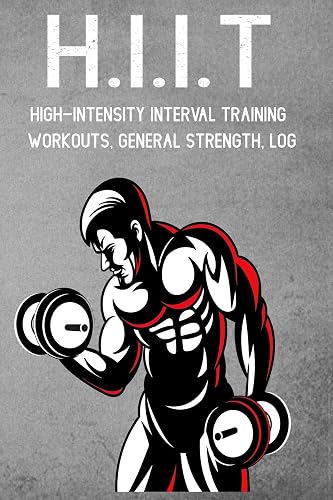 TOP CHOICEBest overallH.I.I.T High-Intensity Interval Training Workouts, General Strength, LogView on Amazon
- 2
 TOP CHOICEBest for structured interval roundsTabata Workout Handbook: Achieve Maximum Fitness With Over 100 High InView on Amazon
- 3
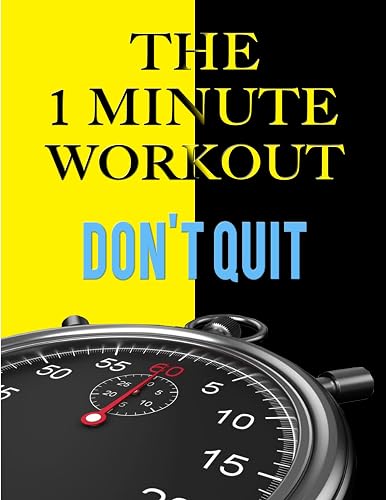 TOP CHOICEBest for beginnersOne Minute Workout – The Psychology Behind One Minute Workout, High InView on Amazon
- 4
 Best for circuit fansHigh Intensity Circuit Training: A New and Efficient Home Workout MethodView on Amazon
- 5
 Best for no-equipment variety100 No-Equipment Workouts Vol. 2: Easy to Follow Home Workout RoutinesView on Amazon
- 6
 Best budget pickHIIT Made Easy: Burn Fat and Lose Weight Fast, With 20 Minutes High InView on Amazon
Our Top Picks
Before you start, read the related guides on this site. A good starting point is High Intensity Interval Training Workouts at Home: 5 Steps to Start Today, which explains how to build your first week. If you want a sense of the moves involved, High Intensity Interval Training Exercises at Home: 8 Moves and a Sample Workout covers bodyweight options in detail. Beginners who want a gentler ramp should also look at 7 Best High Intensity Interval Training Workouts for Beginners at Home (2026).
Quick Comparison
| Product | Best for | Key feature |
|---|---|---|
| H.I.I.T High-Intensity Interval Training Workouts, General Strength, Log | Overall use | Logbook for tracking strength and interval sessions |
| Tabata Workout Handbook | Structured interval rounds | Over 100 interval-based plans |
| One Minute Workout | Beginners | Short bodyweight intervals with a psychology-based approach |
| High Intensity Circuit Training | Circuit-style sessions | Home circuit method focused on fitness ability |
| 100 No-Equipment Workouts Vol. 2 | Variety without gear | Visual guides for all fitness levels |
| HIIT Made Easy | Budget-minded beginners | 20-minute home interval workouts |
H.I.I.T High-Intensity Interval Training Workouts, General Strength, Log
H.I.I.T High-Intensity Interval Training Workouts, General Strength, Log
Best for: Overall use
This is a good fit for readers who want a workout book that doubles as a training record. It suits people who like to see progress written down and who plan to repeat sessions over several weeks.
Key specs
- Format: logbook-style workout guide
- Focus: general strength combined with high intensity intervals
Pros
- Built-in space to record sets, rounds and times
- Clear focus on strength within an interval framework
- Easy to follow alongside a home routine
Cons
- Less variety than larger workout collections
- Some readers want more video or visual support
Bottom line: Choose this if you want one reliable home program and a place to track your results.
Tabata Workout Handbook: Achieve Maximum Fitness With Over 100 High Intensity Interval Training (HIIT) Workout Plans
Tabata Workout Handbook: Achieve Maximum Fitness With Over 100 High Intensity Interval Training (HIIT) Workout Plans
Best for: Structured interval rounds
This handbook suits readers who like Tabata-style timing (short, hard work bursts with brief rest) and want many plans to rotate through. It works well once you already know your basic movements.
Key specs
- Plan count: over 100 listed workout plans
- Format: handbook covering HIIT programming
Pros
- Large number of plans to prevent boredom
- Clear interval structure for each session
- Useful reference for planning weekly sessions
Cons
- Can feel dense for absolute beginners
- Requires you to choose appropriate intensity yourself
Bottom line: A strong choice for intermediate home exercisers who want lots of structured options.
One Minute Workout: The Psychology Behind One Minute Workout, High Intensity Interval Training Using Body Weight
One Minute Workout – The Psychology Behind One Minute Workout, High Intensity Interval Training Using Body Weight, Exercise for Massive Gains and Fitness … Workout, Training, Fitness, Exercises)
Best for: Beginners
This book is aimed at people who feel intimidated by long workouts. Its short, bodyweight-based intervals make it easier to start consistently, which is often the hardest part of a home routine.
Key specs
- Focus: bodyweight high intensity intervals
- Session length: built around very short workouts
Pros
- Requires no equipment
- Short sessions reduce the barrier to starting
- Explains the motivational side of training
Cons
- Short sessions may not satisfy advanced trainees
- Less detail on progressing to heavier challenges
Bottom line: Best for beginners who need a simple, low-friction start.
High Intensity Circuit Training: A New and Efficient Home Workout Method
High Intensity Circuit Training: A New and Efficient Home Workout Method. Become Ripped, Build Mental Strength and Max Out Your Fitness Ability.
Best for: Circuit fans
This title suits readers who prefer moving from station to station rather than repeating one exercise. It is a good match for people who like variety within a single session.
Key specs
- Format: circuit-based home training method
- Goal: combined strength, endurance and mental focus
Pros
- Circuit structure keeps sessions varied
- Designed specifically for home settings
- Covers mental as well as physical conditioning
Cons
- Setup of stations may take planning
- Limited detail on very specific sport goals
Bottom line: Pick this if you enjoy rotating exercises and want a home-focused circuit approach.
100 No-Equipment Workouts Vol. 2: Easy to Follow Home Workout Routines with Visual Guides for All Fitness Levels
100 No-Equipment Workouts Vol. 2: Easy to Follow Home Workout Routines with Visual Guides for All Fitness Levels (No-Equipment at Home Workouts)
Best for: Variety without gear
This volume is useful for people who want a wide range of routines and visual demonstrations. It fits readers who train in a small space and want to avoid buying any equipment.
Key specs
- Workout count: 100 no-equipment routines (per listing title)
- Format: includes visual guides for all fitness levels
Pros
- Visual guides help with form
- Routines suit a range of fitness levels
- No equipment required
Cons
- Not every routine is built as interval training
- You will need to adapt some sessions to a true HIIT structure
Bottom line: A good choice for variety, especially if you want visual cues for each move.
HIIT Made Easy: Burn Fat and Lose Weight Fast, With 20 Minutes High Intensity Interval Workouts You Can Do at Home
HIIT Made Easy: Burn Fat and Lose Weight Fast, With 20 Minutes High Intensity Interval Workouts You Can Do at Home
Best for: Budget-minded beginners
This book appeals to readers who want short, home-based interval sessions with a weight-loss focus. Its 20-minute format makes it easy to fit into a busy schedule.
Key specs
- Session length: about 20 minutes (per listing title)
- Focus: fat loss through home interval workouts
Pros
- Short sessions suit busy schedules
- Simple, home-friendly structure
- Clear weight-loss orientation
Cons
- Weight-loss claims in titles should be read critically
- Limited progression for advanced exercisers
Bottom line: A practical pick for beginners who want quick sessions and a simple plan.
Buying Guide
Free and low-cost resources can take many forms. Use these factors to decide which format fits your space, schedule and experience.
Work-to-Rest Ratios
Most HIIT programs use work periods of 20 to 60 seconds with rest periods of similar or longer length. Tabata-style sessions use 20 seconds of work and 10 seconds of rest for eight rounds. Beginners often do better with longer rest, such as a 1:2 ratio. Check that the workouts you choose explain their timing clearly.
Good picks for this: Tabata Workout Handbook, One Minute Workout
Equipment Requirements
If you have no equipment, look for resources built around bodyweight moves. If you own a few items, such as a mat or light dumbbells, a resource that uses them can add variety. Read the description before buying to confirm what is needed.
Good picks for this: 100 No-Equipment Workouts Vol. 2, One Minute Workout
Session Length
Short sessions of 10 to 20 minutes are easier to maintain on busy days. Longer sessions of 30 minutes or more allow more rounds and recovery. Match the length to your available time rather than the other way round.
Good picks for this: HIIT Made Easy, One Minute Workout
Structure and Progression
Good programs show how to increase difficulty over weeks. Look for more reps, shorter rest, or harder variations as you improve. A logbook or tracking format helps you see progress.
Good picks for this: H.I.I.T High-Intensity Interval Training Workouts, General Strength, Log, Tabata Workout Handbook
Variety of Movements
Repeating the same five exercises can lead to plateaus and boredom. Choose resources that include a range of movements, such as squats, lunges, push-ups and core work, so different muscle groups are trained.
Good picks for this: High Intensity Circuit Training, 100 No-Equipment Workouts Vol. 2
Clarity of Instructions
Clear descriptions, diagrams or visual guides reduce the risk of poor form. This matters most when training without a coach. Visual guides are especially helpful for new movements.
Good picks for this: 100 No-Equipment Workouts Vol. 2, H.I.I.T High-Intensity Interval Training Workouts, General Strength, Log
Safety and Suitability
High intensity training places real stress on the heart, joints and muscles. If you have a medical condition, are returning from injury, or have not exercised in a long time, speak with a doctor or qualified professional before starting. Begin with lower intensity and build gradually.
Good picks for this: One Minute Workout, HIIT Made Easy
FAQ
Can I do free high intensity interval training workouts at home without equipment?
Yes. Most HIIT sessions rely on bodyweight moves such as squats, push-ups, lunges, high knees and burpees. Equipment can add variety, but it is not required for an effective session.
How long should a home HIIT workout last?
Many people train for 15 to 30 minutes including warm-up and cool-down. Beginners often start with 10 to 15 minutes and build up. Longer is not always better for high intensity work.
How often should I do HIIT at home?
Two to three sessions per week is a common starting point, with at least one rest day between hard sessions. Allow more recovery if you feel persistent fatigue or soreness.
What is a good work-to-rest ratio for beginners?
A ratio of 1:2 or 1:3, such as 20 seconds of work and 40 to 60 seconds of rest, is often recommended for beginners. As fitness improves, you can shorten the rest.
Do I need a timer for interval workouts?
A timer makes intervals more accurate. A phone timer or a dedicated interval timer works well. Many free video workouts include built-in timing.
Is HIIT safe for everyone?
Not necessarily. People with heart conditions, high blood pressure, joint problems or who are pregnant should consult a doctor before starting. Stop and seek help if you experience chest pain, dizziness or unusual shortness of breath.
Conclusion
For most readers, the H.I.I.T High-Intensity Interval Training Workouts, General Strength, Log is the most rounded pick, combining structured sessions with a place to track progress. Choose the Tabata Workout Handbook if you want many interval plans to rotate, and One Minute Workout if you need a very gentle, short start. If variety without gear matters most, 100 No-Equipment Workouts Vol. 2 is a strong option, while HIIT Made Easy suits budget-minded beginners who want quick 20-minute sessions. Match the choice to your experience, schedule and available space, and build up gradually.
Sources
- Physical activity guidelines, including recommended weekly activity levels for adults (cdc.gov)
- Research summaries on high intensity interval training and cardiovascular health (nih.gov)
- Position guidance on exercise prescription and intensity for healthy adults (acsm.org)
Before you buy: helpful guides
Related reading
About Owen Palmer
Owen Palmer is part of our editorial team and reviews and edits our speed & interval running guides, checking product details against manufacturer specifications and owner feedback.



