
 By Owen Palmer
Updated November 2026
Looking for the best interval running Runner’s World books? This list covers seven titles from the Runner’s World library, chosen by how well each one teaches structured speed work, how clearly it explains workouts, and how practical it is for everyday runners. Some focus on pure speed, others on form, breathing or the mental side of hard sessions. Use the picks below to match a book to your current level and goals. A related read: 6 Best Aerobic Interval Training Running Books for Faster Runners (2026).
Our top picks at a glance
- 1
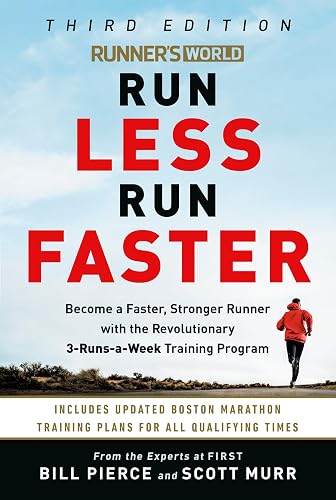 TOP CHOICEBest overallRun Less Run FasterView on Amazon
- 2
 TOP CHOICEBest for logging workoutsTraining DiaryView on Amazon
- 3
 TOP CHOICEBest for breathing during hard effortsRunning on AirView on Amazon
- 4
 Best for women runnersComplete Book of Women's RunningView on Amazon
- 5
 Best for marathon-distance speedBig Book of Marathon and Half-Marathon TrainingView on Amazon
- 6
 Best for running formYour Best StrideView on Amazon
- 7
 Best for mental toughnessThe Runner's BrainView on Amazon
Our Top Picks
| Product | Best for | Key feature |
|---|---|---|
| Run Less Run Faster | Structured speed gains | Three-runs-a-week plan |
| Training Diary | Tracking interval sessions | Space for splits and notes |
| Running on Air | Breathing during intervals | Breath-control techniques |
| Complete Book of Women’s Running | Women starting speed work | Broad training guidance |
| Big Book of Marathon and Half-Marathon Training | Longer race prep | Plans and training tools |
| Your Best Stride | Efficient, injury-aware form | Natural form optimization |
| The Runner’s Brain | Mental focus on hard reps | Thinking strategies for running |
Run Less Run Faster
Runner's World Run Less Run Faster: Become a Faster, Stronger Runner with the Revolutionary 3-Runs-a-Week Training Program
Best for: Structured speed gains
This book suits runners who want a compact weekly structure built around a few quality sessions. It pairs well with a Runner's World 5K Training Plan Free: A Step-by-Step Guide for Beginners if you are just starting out.
Pros
- Clear weekly structure with few sessions
- Good fit for time-limited runners
Cons
- Less detail on individual workout pacing
Training Diary
Runner's World Training Diary
Best for: Tracking interval sessions
This is a logbook rather than a training manual, best for runners who already know their workouts and want to record splits, rest intervals and how each rep felt.
Pros
- Room to log splits and recovery times
- Helps spot trends over several weeks
Cons
- No instructional content on the workouts themselves
Running on Air
Runner's World Running on Air: The Revolutionary Way to Run Better by Breathing Smarter
Best for: Breathing during hard efforts
Runners who find their breathing falls apart during repeats will get the most from this book. It explains breath control in a way that carries over into fast intervals and tempo work.
Pros
- Focused, practical breathing techniques
- Useful for controlling effort on hard reps
Cons
- Narrow focus compared with full training guides
Complete Book of Women’s Running
Runner's World Complete Book of Women's Running: The Best Advice to Get Started, Stay Motivated, Lose Weight, Run Injury-Free, BeSafe, and Train for Any Distance
Best for: Women starting speed work
This is a broad guide aimed at women who are building a running habit and want to add speed sessions over time. Readers looking at Stacy Sims Interval Training: A Step-by-Step Guide for Female Runners may find it a useful companion.
Pros
- Covers training from beginner to advanced
- Addresses women-specific training topics
Cons
- Interval guidance is one part of a wide scope
Big Book of Marathon and Half-Marathon Training
The Runner's World Big Book of Marathon and Half-Marathon Training: Winning Strategies, Inpiring Stories, and the Ultimate Training Tools
Best for: Longer race prep
This suits runners preparing for half marathons or marathons who still want quality speed work built into a long build. It is less focused on short, sharp intervals than on sustaining pace over distance. A related read: Top 5 Cardio Interval Running Workouts for Faster Splits (2026).
Pros
- Plans and tools for long-race preparation
- Integrates speed work with endurance
Cons
- Too much volume for runners focused on 5K speed
Your Best Stride
Runner's World Your Best Stride: How to Optimize Your Natural Running Form to Run Easier, Farther, and Faster–With Fewer Injuries
Best for: Running form
Runners who want faster intervals without added injury risk may benefit from this book’s focus on efficient mechanics. Good form makes hard reps easier to sustain.
Pros
- Practical drills for running economy
- Emphasis on reducing injury risk
Cons
- Form changes take time to show up in speed
The Runner’s Brain
Runner's World The Runner's Brain: How to Think Smarter to Run Better
Best for: Mental focus on hard reps
This book suits runners who fade mentally during the last repeats of a session. It focuses on how thinking patterns affect effort and pacing. A related read: Tips for Interval Running: 4 Best Books for Faster Splits (2026).
Pros
- Useful strategies for staying focused under fatigue
- Connects mindset with pacing decisions
Cons
- Few physical workout details
Buying Guide
Match the Book to Your Current Level
Beginners who are still building a base will get more from books that explain the basics of running and recovery clearly. Experienced runners looking for structured speed work should choose titles that lay out interval sessions in detail and show how to progress them over time.
Check whether the book assumes you already run a set weekly mileage. Some programs are built for runners who train most days, while others work well with two or three runs per week.
Look for Clear Workout Structure
Interval running only works when the reps, recoveries and pace targets are easy to follow. Look for books that explain how to set up sessions, how long to rest between efforts and how to adjust the work when you feel tired or on a busy week.
Clear tables, sample weeks and plain-language explanations make a big difference when you are planning workouts on your own.
Consider Whether Form and Breathing Matter to You
If you struggle with fatigue, tight hips or inefficient mechanics during fast running, a book focused on running form or breathing may help you get more out of every interval. These titles often complement a workout-focused book rather than replace it.
Think about where your current limits are. Speed, durability and efficiency each call for a slightly different kind of guidance.
Think About Logging and Tracking Tools
Tracking your intervals helps you see progress over weeks and months. A companion training diary can be useful if you like to record splits, effort levels and how you felt after each session.
If you prefer to track your data in an app or watch, a book that focuses on training principles may be enough on its own.
Choose Between a Focused Guide and a Broader Reference
Some books concentrate on one part of running, such as speed sessions or the mental side of hard efforts. Others cover marathon preparation, injury prevention and general training in a single volume. A focused guide is often the better pick if you only want to improve your intervals, while a broader reference suits runners who train for longer races too.
FAQ
How often should I do interval workouts from these books?
Most runners do one or two interval sessions per week, with easy running on the other days. The books in this list generally recommend spacing hard efforts apart so that your body has time to recover and adapt.
Are these books suitable for beginners?
Some titles are written for newer runners and explain the fundamentals in plain language, while others assume a solid running base. Check the description and sample content before you buy to see which level each book targets.
Do I need a watch to follow interval training?
A watch or timer makes intervals much easier to run accurately, since you can track time and pace during each rep. You can also use effort-based cues like breathing or perceived exertion if you do not have a device.
Can I combine more than one of these books?
Yes, many runners pair a workout-focused book with one on form or the mental side of running. Just make sure your combined plan does not add too much hard training to your week.
How long does it take to see faster splits?
Improvements vary by runner, but most people notice gains after several weeks of consistent interval work combined with proper recovery. Patience and steady progression tend to matter more than any single workout.
Conclusion
If you want a structured, workout-first approach to interval running, the top overall pick and the training-focused titles are the best place to start. Runners who want to log progress should pair a guide with a training diary.
Runners who struggle with breathing, form or mental fatigue during hard sessions may benefit most from the specialized titles on that topic, while those training for longer races will find the broader marathon and training references more useful.
Related reading
- What Is Run Interval Training? A Beginner's Guide to Faster Running
- What Is Interval Training Running? A Beginner's Guide to Faster Splits
- What Are Interval Training Workouts? A Beginner's Guide to Faster Running
About Owen Palmer
Owen Palmer is part of our editorial team and reviews and edits our speed & interval running guides, checking product details against manufacturer specifications and owner feedback.
