
 By Owen Palmer
Updated November 2026
If you want to start interval running for 10K but don’t know where to begin, a good training book or log can give you structure. This list compares six products by who they suit, how clearly they lay out sessions, and whether they cover race-specific pacing. Each pick is based on product descriptions, publisher details and common owner feedback, not hands-on testing.
Our top picks at a glance
- 1
 TOP CHOICEBest overallGalloway's 5k/10k Running: Training for Runners & WalkersView on Amazon
- 2
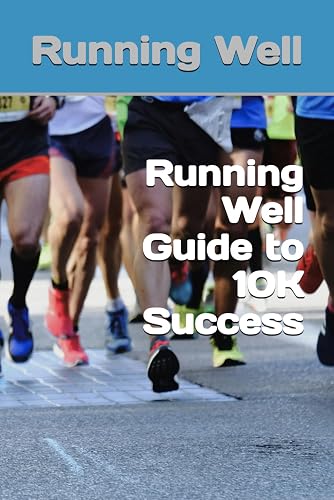 TOP CHOICEBest for 10K-specific plansRunning Well Guide to 10K SuccessView on Amazon
- 3
 TOP CHOICEBest for logging intervals100 Runs: A Running Log Book for Track, Tempo and Interval TrainingView on Amazon
- 4
 Best for beginnersRunning Journal: 5K & 10K Training Plan for BeginnersView on Amazon
- 5
 Best for technique and injury preventionScience of Running: Analyze your Technique, Prevent Injury, Revolutionize your TrainingView on Amazon
- 6
 Best for interval theoryRUNNING BY NUMBERS: The Complete Guide to Interval Training for RunnersView on Amazon
Our Top Picks
Quick Comparison
| Product | Best for | Key feature |
|---|---|---|
| Galloway’s 5k/10k Running | Well-rounded 10K training | Structured run-walk and speed plans |
| Running Well Guide to 10K Success | 10K-specific preparation | Race-distance focused guidance |
| 100 Runs Running Log Book | Tracking interval sessions | Space for splits and reps |
| Running Journal 5K & 10K Plan | New runners | 12-week plan with trackers |
| Science of Running | Technique and injury prevention | Biomechanics explained simply |
| Running by Numbers | Understanding interval theory | Detailed interval training guide |
Galloway’s 5k/10k Running: Training for Runners & Walkers
Galloway's 5k/10k Running: Training for Runners & Walkers
Best for: Well-rounded 10K training
This book suits runners who want a clear progression from easy running to faster efforts without needing a coach. Its plans are built around realistic weekly structure.
Pros
- Clear, progressive plans for 5K and 10K
- Accessible to runners at different fitness levels
Cons
- Less detail on advanced interval pacing
Running Well Guide to 10K Success
Running Well Guide to 10K Success (Running Well Guides To Running)
Best for: 10K-specific preparation
This guide fits runners who have already chosen a 10K as their target and want advice centered on that distance rather than general running.
Pros
- Focused entirely on the 10K distance
- Covers pacing and race-day decisions
Cons
- Less useful for runners training for other distances
100 Runs: A Running Log Book for Track, Tempo and Interval Training
100 Runs: A Running Log Book for Track, Tempo and Interval Training
Best for: Tracking interval sessions
A log like this suits runners who already know their workouts and want a consistent place to record reps, recoveries and splits over weeks.
Pros
- Layouts designed for interval and track sessions
- Easy to compare sessions week to week
Cons
- Contains no training plan of its own
Running Journal: 5K & 10K Training Plan for Beginners
Running Journal: 5K & 10K Training Plan for Beginners: 12-Week Log Book, Daily Trackers & Race Prep for New Runners (Sport Coaching)
Best for: New runners
This journal is aimed at people who are new to structured running and want a 12-week framework with daily tracking pages and race preparation notes.
Pros
- 12-week structure with daily trackers
- Includes race preparation pages
Cons
- Intervals are introduced gently, so advanced runners may outgrow it
Science of Running: Analyze your Technique, Prevent Injury, Revolutionize your Training
Science of Running: Analyze your Technique, Prevent Injury, Revolutionize your Training (The Science of Fitness)
Best for: Technique and injury prevention
Runners who want to understand the mechanics behind faster splits, and why hard sessions can cause problems, will find this book useful alongside any interval plan. If you want more background, see Interval Running Before and After: 4 Books for Safe, Faster Results.
Pros
- Explains biomechanics without heavy jargon
- Useful for diagnosing form issues
Cons
- Not a workout plan on its own
RUNNING BY NUMBERS: The Complete Guide to Interval Training for Runners
RUNNING BY NUMBERS: The Complete Guide to Interval Training for Runners
Best for: Understanding interval theory
This guide is for runners who want to know why interval sessions work, not just what to do. It suits those who like to adjust their own training based on the principles.
Pros
- Explains the reasoning behind interval design
- Useful for building custom sessions
Cons
- Denser reading than a simple plan book
Buying Guide
Match the Book to Your Experience
Beginners benefit most from plans that build weekly structure and introduce intervals gradually. Experienced runners may prefer theory or logs that let them design their own sessions.
Check Whether It Is 10K-Specific
A general running book can still help, but a guide focused on 10K pacing will address the balance between speed and endurance that defines this race. Read the table of contents before buying.
Decide Between a Plan and a Log
A plan tells you what to run; a log records what you ran. Many runners use one book for structure and a separate log for tracking, so consider whether you need both.
Related reading
- Interval Training Running Program: A Step-by-Step Guide for 5K to 10K
- Interval Training Running 10K: A Step-by-Step Guide for Faster Splits
- Why Is Interval Running Hard? 5 Reasons and How to Fix Each One
About Owen Palmer
Owen Palmer is part of our editorial team and reviews and edits our speed & interval running guides, checking product details against manufacturer specifications and owner feedback.





